
Early spring brings a wave of excitement for greenhouse gardeners. Days grow longer, sunlight becomes more abundant, and the promise of lush growth fills the air. However, this beautiful transition period often conceals a significant challenge: unpredictable temperature spikes. While outdoor temperatures may still be cool, even a few hours of intense spring sun can rapidly transform your greenhouse into an oven, stressing plants and potentially undoing weeks of careful cultivation. Managing these sudden surges in heat is crucial for maintaining a healthy and productive environment. This article will guide you through effective strategies to proactively combat early spring temperature spikes and keep your precious plants thriving.
Understanding the Early Spring Greenhouse Challenge
The unique climate of early spring creates a perfect storm for greenhouse overheating. Outside, temperatures can fluctuate wildly, with chilly nights giving way to surprisingly warm, sunny days. Inside your greenhouse, the glass or polycarbonate glazing acts as a solar collector, trapping solar radiation and converting it into heat. This phenomenon, known as the greenhouse effect, is exactly what makes greenhouses so effective for extending the growing season. However, without proper management, it can quickly lead to dangerous internal temperatures.
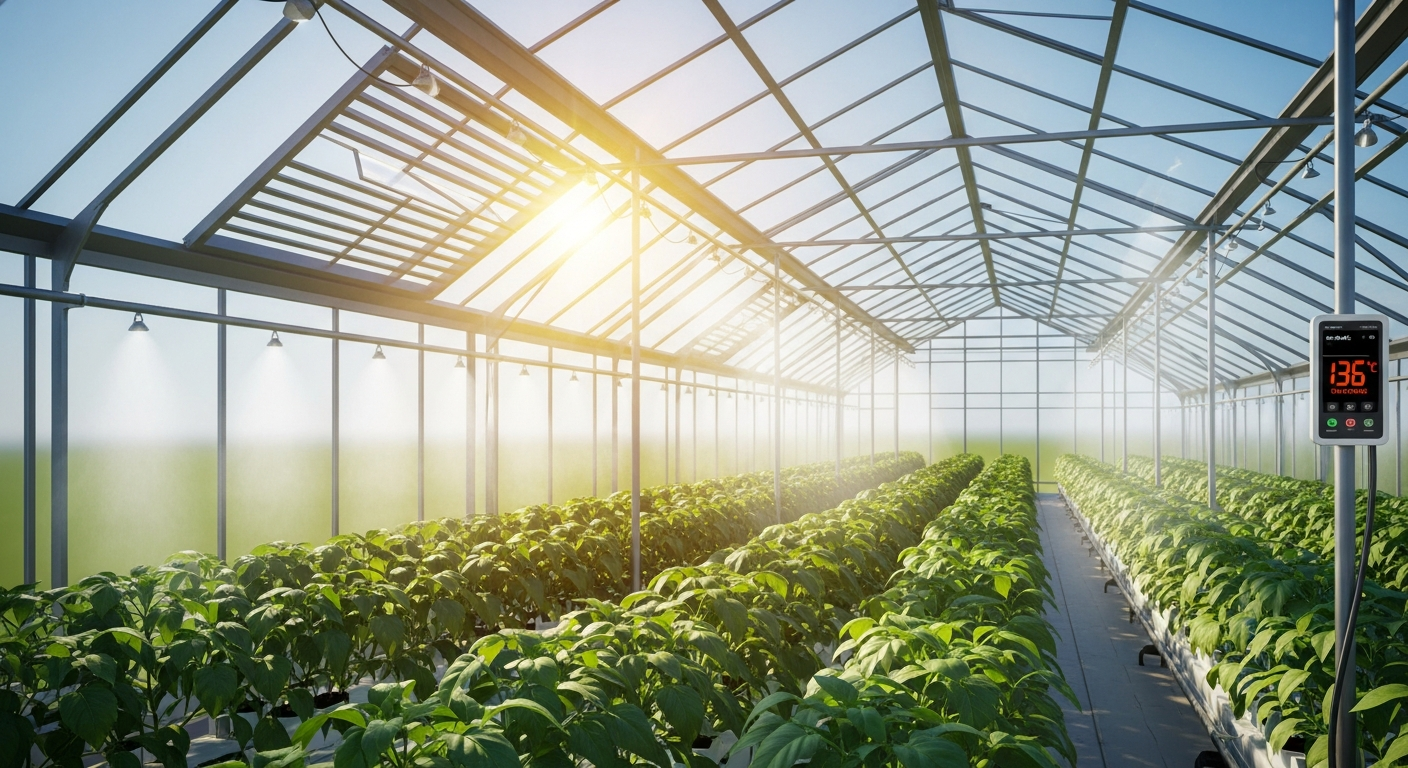
Why are these early spring temperature spikes particularly problematic? Young seedlings and delicate plants, often started early indoors, are especially vulnerable. Rapid temperature fluctuations can lead to:
- Plant Stress and Wilting: High temperatures cause plants to transpire excessively, losing water faster than their roots can absorb it, leading to wilting and dehydration.
- Sun Scald: Intense, unfiltered sunlight combined with high temperatures can literally burn foliage, leaving discolored or crispy spots.
- Bolting: For cool-season crops like lettuce, spinach, and cilantro, a sudden heatwave can trigger premature flowering (bolting), making them bitter and inedible.
- Stunted Growth: Plants expend energy coping with heat stress instead of focusing on growth, leading to overall stunted development.
- Increased Pest and Disease Susceptibility: Stressed plants are weaker and more prone to infestations and fungal diseases.
Proactive greenhouse temperature management is therefore not just about comfort; it’s about safeguarding your entire crop and ensuring optimal growing conditions.
Ventilation: Your Primary Defense Against Overheating
When it comes to controlling greenhouse temperature spikes, proper ventilation is your most vital tool. It allows hot, stagnant air to escape, drawing in cooler, fresh air from outside.
Passive Ventilation Strategies
- Roof Vents: Heat rises, so roof vents are incredibly effective. Open them on sunny days, even if the outdoor temperature is still cool. Consider installing automatic vent openers that operate based on temperature, providing hands-free control and peace of mind.
- Side Vents and Louvers: These facilitate cross-ventilation, especially when combined with roof vents. Opening vents on opposite sides of the greenhouse creates a natural airflow path.
- Doors: On particularly warm days, simply opening greenhouse doors can provide significant airflow. Ensure they are secured to prevent slamming in windy conditions.
Practical Tip: Start opening your vents early in the day as soon as the sun hits the greenhouse, even if it feels cool outside. Don’t wait until it’s already hot inside. It’s much easier to prevent heat buildup than to cool down an already overheated space.
Active Ventilation Solutions
For larger greenhouses or those in hotter climates, passive ventilation alone might not be enough. Active ventilation utilizes fans to move air more forcibly.
- Exhaust Fans: Installed high on one end of the greenhouse, these fans pull hot air out, creating negative pressure that draws cooler air in through intake vents or louvers on the opposite side. Thermostatically controlled exhaust fans are excellent for automated temperature regulation.
- Circulation Fans (Horizontal Airflow Fans): These fans don’t introduce outside air but move air internally, breaking up pockets of stagnant hot air and ensuring uniform temperature distribution throughout the greenhouse. This helps prevent hot spots and strengthens plant stems.
Combining both passive and active ventilation methods offers the most robust defense against rapid temperature increases.
Shading Strategies to Mitigate Solar Gain
While ventilation removes heat, shading prevents a significant amount of heat from entering the greenhouse in the first place. This is especially important for protecting plants from direct sun and preventing leaf scorch during intense early spring sun.
Temporary and Removable Shading
- Shade Cloth: This is arguably the most common and versatile shading solution. Available in various densities (e.g., 30%, 40%, 50%), shade cloth blocks a percentage of sunlight. For early spring, a 30-40% shade cloth is often sufficient, providing protection without excessively reducing light for growth.
- External Application: Attaching shade cloth to the exterior of the greenhouse is more effective as it blocks heat before it penetrates the glazing.
- Internal Application: Easier to install and remove, internal shade cloth still offers protection, though some heat may already be trapped between the glazing and the cloth.
Shade cloths can be rolled up or removed on cloudy days or as temperatures drop, allowing maximum light when needed.
- Shade Panels or Blinds: Similar to interior blinds, these can be pulled across specific sections of the greenhouse or over the entire roof.
More Permanent Shading Solutions
- Whitewash or Shade Paint: A traditional method, specific greenhouse shade paints can be diluted and applied to the exterior of the glazing. They reflect sunlight and can be scrubbed off or allowed to weather away as the season progresses. This is a good option for those seeking a semi-permanent solution for sustained warm periods.
- Shade Trees or Trellises: Planting deciduous trees or growing climbing vines on a trellis near the south or west side of your greenhouse can provide natural shade during the hottest parts of the day. The deciduous nature means they’ll lose their leaves in winter, allowing maximum light when it’s most needed.
Key Consideration: Remember that young plants often need more light than mature plants. Balance your need for shading against the light requirements of your specific crops. You might start with a lower density shade cloth and increase it if temperatures remain high.
Advanced Cooling Techniques for Extreme Spikes
When ventilation and shading aren’t quite enough, or during exceptionally warm early spring days, additional cooling methods can provide a much-needed boost.
Evaporative Cooling
- Swamp Coolers (Evaporative Coolers): These systems draw outside air through wet pads, cooling it through evaporation before circulating it into the greenhouse. They are most effective in dry climates where the air can absorb more moisture. In humid climates, their effectiveness diminishes.
Misting and Fogging Systems
- High-Pressure Misters/Foggers: These systems create a fine mist of water droplets that evaporate rapidly, significantly lowering ambient air temperature. They also increase humidity, which can be beneficial for certain tropical plants but should be used with caution to avoid excessive humidity that can promote fungal diseases.
- Low-Pressure Sprinklers/Hoses: A simple, albeit less efficient, method is to lightly mist paths and bare soil surfaces in the greenhouse. The evaporation will draw some heat from the air. Avoid directly wetting plant foliage too late in the day, as this can encourage disease.
Strategic Watering: While not a direct cooling system, adjusting your watering schedule can help plants cope. Water in the early morning so plants have ample moisture before the midday heat. Avoid watering during the hottest part of the day, as much of the water will evaporate quickly, and wet foliage combined with high heat can lead to scalding.
Monitoring and Automation for Optimal Control
The best strategies are only as good as your ability to monitor and respond to conditions. Modern technology can significantly enhance your greenhouse climate control.
Essential Monitoring Tools
- Maximum/Minimum Thermometers: These inexpensive devices record the highest and lowest temperatures reached since the last reset, giving you crucial data to understand your greenhouse’s overnight lows and midday highs. Place them at plant level for the most accurate readings.
- Digital Thermometers and Sensors: More advanced sensors can provide real-time temperature data, often accessible via an app on your smartphone. Some systems can even log data over time, allowing you to identify patterns and troubleshoot issues.
- Humidity Sensors: While the primary focus is temperature, humidity also plays a vital role in plant health and can be influenced by cooling methods.
The Power of Automation
Automated systems are a game-changer for managing early spring temperature spikes, especially for busy gardeners or those with larger greenhouses.
- Automated Vents: As mentioned, these open and close based on internal temperature.
- Thermostatically Controlled Fans: Exhaust and circulation fans can be programmed to switch on and off at specific temperature set points.
- Automated Shade Systems: Some high-tech greenhouses feature roll-up shade cloths that deploy automatically when certain light or temperature thresholds are met.
- Integrated Climate Controllers: Sophisticated systems can integrate all these components – vents, fans, shade, and even irrigation – to maintain precise environmental conditions. You set your desired temperature range, and the system intelligently manages all connected devices to achieve it.
Investing in automation provides peace of mind, ensures consistent plant care, and allows for rapid, precise responses to sudden weather changes. This constant vigilance is key to preventing overheating greenhouse conditions and maintaining the optimal growing environment.
Conclusion
Early spring is a season of delicate balance in the greenhouse. The promise of new growth is tempered by the challenge of unpredictable temperature swings. By implementing a multi-faceted approach to greenhouse cooling and heat management, you can effectively combat early spring temperature spikes and protect your plants from stress. Prioritize robust ventilation, strategic shading, and consider supplementary cooling methods for extreme conditions. Crucially, regularly monitor your greenhouse environment and leverage automation where possible to ensure consistent, optimal conditions. With these strategies in place, you can confidently navigate the volatile early spring weather, fostering a thriving greenhouse where your plants can flourish and reach their full potential.