
In the world of controlled environment agriculture, temperature is king. Too hot, and plants wilt, stress, and cease production; too cold, and growth stalls, diseases can set in, or crops may even perish. For greenhouse operators, maintaining an optimal climate isn’t just a nicety—it’s the bedrock of profitability and sustainability. While manual ventilation and cooling methods have their place, the modern greenhouse increasingly turns to automated cooling systems for precision, efficiency, and reliability. But how do you determine if this significant investment truly pays off? This article will guide you through a comprehensive approach to calculating the cost-benefit of automated cooling systems, helping you make an informed decision for your greenhouse’s future.
Deconstructing the “Cost” of Automated Cooling Systems
Understanding the full spectrum of costs associated with an automated cooling system is the first critical step in any cost-benefit analysis. It’s not just about the sticker price; it involves both upfront capital expenditure and ongoing operational expenses.
Initial Investment: The Upfront Costs
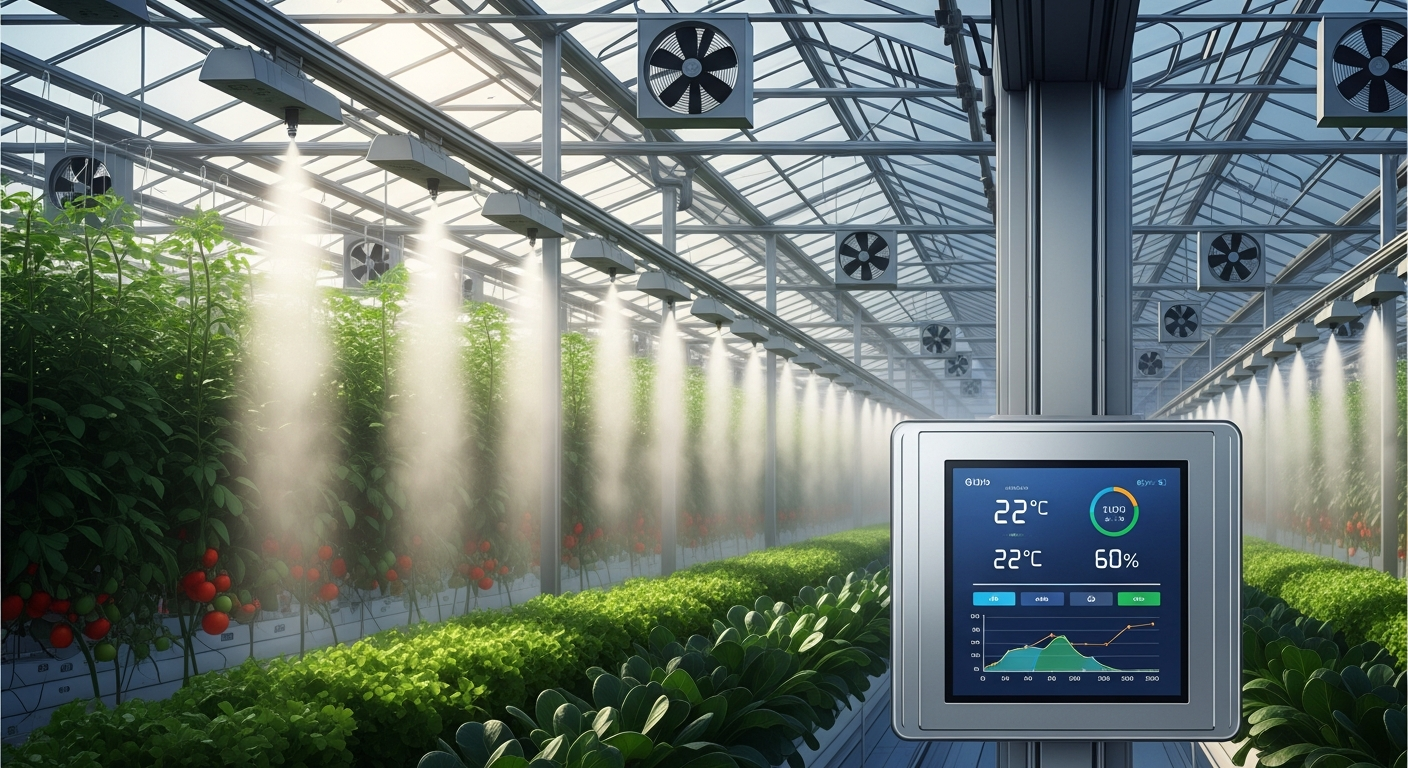
- Equipment Purchase: This includes fans (exhaust or circulation), evaporative cooling pads, misting systems, chillers, shading systems, and the central control unit (environmental computer). The size and sophistication of your greenhouse will dictate the scale and type of equipment needed.
- Installation: Professional installation ensures the system operates correctly and efficiently. This can involve significant labor, electrical work, plumbing for water-based systems, and structural modifications to the greenhouse.
- Software and Sensors: Modern automated systems rely on sophisticated sensors for temperature, humidity, light, and sometimes CO2, coupled with specialized software for climate control and data logging. There might be an initial licensing fee or purchase cost for these components.
- Ancillary Equipment: Don’t forget items like water pumps, reservoirs, specialized wiring, and conduits.
When collecting quotes, always request a detailed breakdown of these components. A lower upfront price might hide higher installation costs or exclude necessary ancillary equipment.
Operational Costs: The Ongoing Expenses
- Energy Consumption: This is often the most significant ongoing cost. Fans, pumps, and chillers consume electricity. Automated systems can be more energy-efficient due to precise control, but they still require power. Understanding the energy draw of each component and estimating its run time is crucial.
- Water Usage: Evaporative cooling pads and misting systems require a continuous supply of water. The cost will depend on your local water rates and the system’s efficiency, factoring in evaporation and bleed-off.
- Maintenance and Repairs: Regular maintenance, such as cleaning cooling pads, lubricating fan motors, checking sensors, and replacing filters, is essential for optimal performance and longevity. Factor in the cost of parts and labor for routine servicing and unexpected repairs.
- Software Subscriptions/Updates: Some advanced control systems operate on a subscription model for software access, cloud data storage, or remote support. Budget for these recurring fees.
Practical Tip: When evaluating energy consumption, ask vendors for specific power ratings (kW) and estimated operational hours for your climate zone. This will allow you to calculate projected electricity costs based on your utility rates. Also, inquire about warranties and typical maintenance schedules to anticipate future expenses.
Unlocking the “Benefits”: Where Automation Pays Off
The benefits of automated cooling extend far beyond simply keeping the greenhouse cool. They translate into tangible economic advantages and improved operational efficiencies that directly impact your bottom line. These are the aspects that justify the initial investment.
Improved Crop Health and Yield
Automated systems maintain a remarkably stable and optimal temperature range, preventing heat stress that can lead to:
- Reduced Photosynthesis: High temperatures can inhibit a plant’s ability to convert light into energy.
- Flower and Fruit Drop: Heat stress often causes plants to abort flowers or young fruits, significantly reducing yield.
- Increased Susceptibility to Pests and Diseases: Stressed plants are weaker and more vulnerable.
By preventing these issues, automated cooling directly contributes to higher yields, faster growth cycles, and healthier, more resilient crops. This translates to more product to sell and fewer losses.
Enhanced Crop Quality
Consistent temperature control is vital for producing high-quality crops. Automation can help maintain ideal conditions for:
- Optimal Color and Flavor Development: Many fruits and vegetables require specific temperature ranges for peak ripeness and taste.
- Uniformity: Consistent conditions across the greenhouse lead to more uniform crop development, making harvesting and packaging more efficient.
- Extended Shelf Life: Crops grown under optimal, stress-free conditions often have better post-harvest quality and a longer shelf life, reducing spoilage and waste.
Reduced Labor Costs and Improved Efficiency
One of the most immediate and significant benefits is the reduction in manual labor. Instead of constantly opening and closing vents, adjusting fans, or monitoring temperatures, automated systems handle these tasks seamlessly. This frees up valuable staff time for other critical operations like planting, harvesting, and pest management. It also minimizes human error, ensuring consistent climate control even when staff are not present.
Energy Efficiency and Resource Optimization
While automated systems consume energy, their precision can lead to overall resource savings. They activate cooling only when necessary, for the exact duration and intensity required, preventing over-cooling or under-cooling. This optimized operation can reduce wasted electricity and water compared to less precise manual or rudimentary timed systems. Many systems also integrate with other climate control elements (like shading) for a holistic, energy-saving approach.
Mitigation of Risks and Crop Loss
Extreme weather events, such as sudden heatwaves, can devastate a greenhouse operation quickly. An automated system acts as a vigilant guardian, responding instantly to prevent catastrophic temperature spikes that could wipe out an entire crop. This risk mitigation is an invaluable, though harder to quantify, benefit.
Practical Tip: To quantify benefits, track current crop losses due to heat stress, estimate the percentage increase in yield or quality you anticipate with improved conditions, and calculate the labor hours currently spent on manual cooling tasks that could be reallocated.
The Numbers Game: Calculating ROI and Payback Period
Once you have a clear picture of both costs and benefits, you can apply financial metrics to determine the viability of your investment. The two most common metrics are Return on Investment (ROI) and Payback Period.
Return on Investment (ROI)
ROI measures the profitability of an investment relative to its cost. It’s expressed as a percentage and helps you compare the efficiency of different investments.
The formula is:
ROI = (Net Annual Benefit / Initial Investment) * 100%
Where:
- Net Annual Benefit: This is the total estimated annual financial benefits (from increased yield, quality, labor savings, energy savings, reduced losses) minus the annual operational costs (energy, water, maintenance).
- Initial Investment: The total upfront cost of purchasing and installing the system.
For example, if your automated cooling system costs $20,000 to install, and you estimate annual benefits of $12,000 and annual operational costs of $2,000, your Net Annual Benefit would be $10,000.
ROI = ($10,000 / $20,000) * 100% = 50%
A higher ROI indicates a more attractive investment.
Payback Period
The payback period tells you how long it will take for your initial investment to be recovered through the generated net benefits. It’s a measure of liquidity and risk.
The formula is:
Payback Period = Initial Investment / Net Annual Benefit
Using the previous example:
Payback Period = $20,000 / $10,000 = 2 years
A shorter payback period is generally more desirable, as it means you recoup your investment faster and start generating pure profit sooner.
Practical Tip: When calculating benefits, be conservative in your estimates. It’s better to underestimate benefits and be pleasantly surprised than to overestimate and be disappointed. Consider a multi-year analysis, as benefits often compound over time and initial years might have higher maintenance during optimization.
Beyond the Spreadsheet: Strategic Considerations
While numbers provide a strong foundation, a truly comprehensive cost-benefit analysis also considers qualitative factors and long-term strategic implications that don’t always fit neatly into a spreadsheet.
Scalability and Future Growth
Consider if the system you choose can be expanded or integrated with other automation technologies as your greenhouse operations grow. An initial investment in a robust, modular system might seem more expensive upfront but could save significant costs in the long run if you plan to expand.
System Reliability and Vendor Support
A cooling system is only as good as its reliability. Research the reputation of manufacturers and suppliers. What kind of warranty do they offer? What is their track record for customer support, spare parts availability, and technical assistance? Downtime due to system failure can lead to significant crop losses, quickly negating any cost savings.
Environmental Impact and Sustainability
Automated systems, particularly those that optimize resource use, can contribute to your greenhouse’s overall sustainability goals. Reduced water and energy consumption can not only save money but also align with consumer preferences for environmentally responsible practices. This can enhance your brand image and potentially open doors to grants or certifications.
Competitive Advantage
In a competitive market, producing higher quality crops more efficiently can give you a significant edge. An automated cooling system is an investment in your ability to consistently deliver superior products, potentially commanding better prices or securing larger contracts.
Grants and Incentives
Many governments and agricultural organizations offer grants, rebates, or tax incentives for adopting energy-efficient or technologically advanced greenhouse equipment. Researching these opportunities can significantly reduce your effective initial investment, improving your ROI and payback period.
Practical Tip: Speak to other greenhouse operators who have invested in similar automated cooling systems. Their real-world experiences can provide invaluable insights into both the benefits and potential pitfalls.
Conclusion
Investing in an automated cooling system for your greenhouse is a significant decision, but one that can yield substantial returns when approached strategically. By meticulously deconstructing the costs, thoroughly quantifying the benefits, and applying sound financial analysis using ROI and payback period calculations, you can move beyond guesswork. Remember to also weigh the broader strategic implications, such as scalability, reliability, and environmental impact. A well-calculated investment in intelligent climate control isn’t just about managing temperature; it’s about cultivating greater efficiency, higher yields, and a more profitable, sustainable future for your greenhouse operation.