
Wind, often an unseen force, can be one of the most detrimental elements to outdoor greenhouse areas and the precious plants within. From chilling temperatures to physical damage and rapid dehydration, its impact can significantly hinder plant health and growth. While many growers associate shade cloth primarily with sun protection, its unique properties make it an incredibly effective, versatile, and often overlooked solution for mitigating wind damage. Discover how strategically deploying shade cloth can transform your outdoor growing environment into a more stable and nurturing microclimate.
The Silent Threat: How Wind Harms Your Outdoor Greenhouse and Plants
Understanding the multifaceted ways wind can undermine your outdoor greenhouse endeavors is the first step toward effective mitigation. Wind is far more than just a strong breeze; it’s a dynamic force with several damaging effects:
- Physical Damage and Stress: Relentless wind gusts can cause direct harm to plants. Tender stems can snap, leaves can tear, and entire plants, especially young seedlings or those with delicate root systems, can be uprooted or dislodged from their growing media. Even mature plants experience significant physical stress from constant buffeting, which expends energy better used for growth and fruit production.
- Increased Transpiration and Dehydration: Wind significantly increases the rate of transpiration, the process by which plants release water vapor through their leaves. A constant flow of dry air across leaf surfaces strips away the humid boundary layer that normally surrounds them, forcing plants to pull more moisture from the soil. This can lead to rapid dehydration, wilting, and nutrient deficiencies, even if the soil itself is adequately moist.
- Temperature Fluctuations and Heat Loss: Wind acts like a giant fan, stripping away heat from your greenhouse and its surrounding microclimate. On cold days or nights, this “wind chill” effect can drastically lower temperatures, leading to chilling injury or frost damage. Conversely, on hot, arid days, wind can exacerbate heat stress by drying out plants and soil too quickly. Maintaining stable temperatures is crucial for plant health, and wind actively works against this goal.
- Structural Strain on Greenhouse Structures: Beyond plants, wind puts immense stress on the greenhouse itself. Constant pressure can weaken frames, stretch and tear poly coverings, and even dislodge entire structures if not properly anchored. This constant wear and tear can lead to costly repairs and reduced longevity of your investment.
- Soil Erosion and Moisture Loss: High winds can dry out the topsoil, making it more susceptible to erosion. Loose soil particles can be blown away, exposing plant roots and carrying valuable nutrients with them. This also contributes to faster moisture evaporation from the soil surface.
By recognizing these threats, greenhouse enthusiasts can better appreciate the need for effective wind protection in their outdoor growing spaces.
Shade Cloth: An Unconventional Yet Effective Wind Barrier
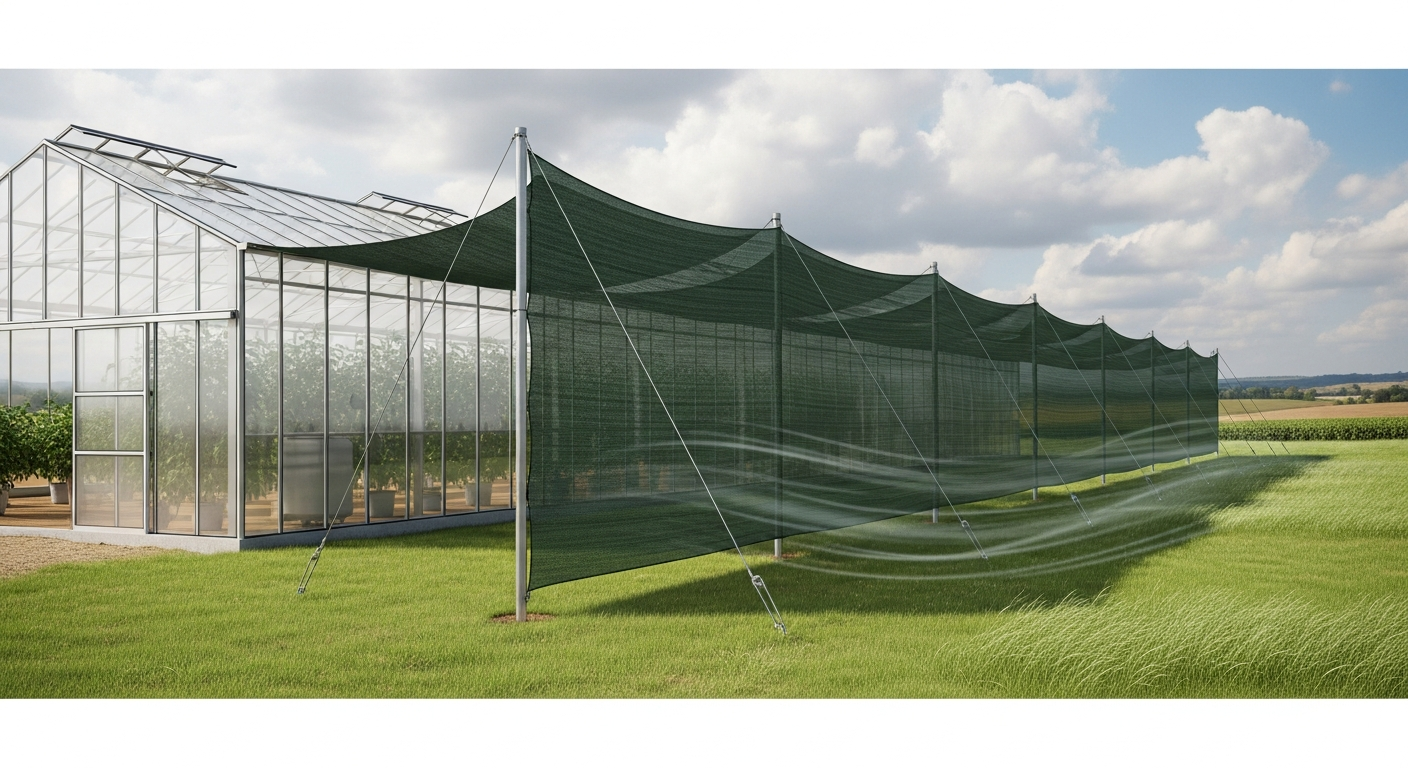
While its primary function is to block a percentage of sunlight, shade cloth possesses several inherent qualities that make it an exceptional choice for wind protection. Unlike solid barriers that create turbulent eddies, shade cloth offers a more nuanced approach:
- The Magic of Porosity: This is the key differentiator. Shade cloth is woven or knitted with tiny gaps that allow a controlled amount of air to pass through. Instead of creating a hard impact zone where wind slams into a solid wall and then swirls violently over and around it, shade cloth diffuses the wind. It slows the wind speed by up to 50% or more (depending on density and distance) and disperses its energy, creating a calmer, more stable microclimate in its lee without generating harmful turbulence. This significantly reduces the force exerted on plants and structures.
- Durability for Outdoor Conditions: Modern shade cloths are typically made from high-density polyethylene (HDPE), a robust material engineered to withstand prolonged exposure to UV radiation, extreme temperatures, and moisture. This inherent durability means your shade cloth windbreak will stand up to the elements season after season, offering reliable protection.
- Flexibility and Ease of Installation: Shade cloth is lightweight and pliable, making it remarkably easy to handle, cut, and install compared to rigid fencing materials. It can be stretched across frames, tied to posts, or even draped over existing structures, offering unparalleled versatility in design and deployment.
- Cost-Effectiveness: When compared to constructing solid fences, brick walls, or even installing more elaborate windbreak netting systems, shade cloth offers a highly economical solution for achieving effective wind protection for your outdoor greenhouse areas.
By leveraging the unique porous structure of shade cloth, you can create a protective zone that gently slows and diffuses wind, fostering a healthier environment for your plants without creating counterproductive turbulence.
Designing and Installing Your Shade Cloth Windbreak for Maximum Protection
Effective wind protection isn’t just about putting up a barrier; it’s about strategic placement and secure installation. Here’s how to design and implement your shade cloth windbreak:
1. Strategic Placement and Orientation
- Identify Prevailing Wind Direction: Observe your site over time. Which direction does the wind most frequently come from? A simple windsock or even streamers can help you pinpoint this. Your windbreak should be erected perpendicular to this prevailing wind.
- Optimal Distance from Protected Area: Placing the windbreak too close to your greenhouse or plants can limit its effectiveness, as the wind might not have enough space to fully dissipate. A good rule of thumb is to place the windbreak at a distance of 2 to 5 times its height from the area you want to protect. For example, a 6-foot-tall windbreak could effectively protect an area 12 to 30 feet away.
- Consider Wrap-Around Protection: If your area experiences winds from multiple directions, or if you have particularly vulnerable corners, consider extending the windbreak around the sides or creating an L-shaped or U-shaped barrier.
2. Height and Length Considerations
- Adequate Height: The height of your windbreak should be sufficient to protect your tallest plants or the peak of your greenhouse structure. Remember, the protected zone’s height and spread are directly proportional to the windbreak’s height.
- Sufficient Length: Wind tends to curl around the ends of a windbreak. To prevent this, your windbreak should extend beyond the width of the area you intend to protect by at least 1-2 times its height on either side.
3. Robust Support Structures
- Strong Posts: Use sturdy posts like pressure-treated timber, metal fence posts, or heavy-gauge conduit. These need to be firmly anchored in the ground, ideally cemented for maximum stability, especially in areas prone to high winds.
- Appropriate Spacing: Space your support posts close enough to prevent excessive sagging or flapping of the shade cloth. For most standard shade cloth, spacing posts 6-8 feet apart is generally adequate. In very windy conditions, closer spacing might be necessary.
- Guy Wires: For taller or longer windbreaks, or in exposed locations, adding guy wires (tensioned cables extending from the top of the posts to ground anchors) can significantly enhance stability.
4. Secure Attachment Methods
- Grommets and Fasteners: Most quality shade cloths come with reinforced edges and grommets, which are ideal for attachment. Use strong zip ties, bungee cords, rope, or specialized shade cloth clips to secure the cloth to your support structure.
- Distribute Tension Evenly: Avoid pulling the cloth too tightly in one spot, as this can cause tearing. Distribute tension evenly along the edges. Bungee cords are excellent for this, as they provide some give during strong gusts, absorbing shock and preventing rips.
- Bottom Clearance: Leaving a small gap (6-12 inches) between the bottom of the shade cloth and the ground can actually improve airflow distribution, reduce snowdrifts (in winter), and prevent debris from accumulating against the barrier.
Choosing the Right Shade Cloth for Wind Protection
Selecting the appropriate shade cloth is crucial for optimizing its performance as a windbreak. It’s not just about any shade cloth; specific characteristics matter:
- Shade Percentage: This is arguably the most critical factor. While it might seem counterintuitive, lower shade percentages (30% to 50%) are generally more effective for windbreaks than higher percentages. A lower density cloth allows more air to pass through, effectively slowing and diffusing the wind without creating severe turbulence, which often happens with denser, more solid barriers. Higher percentages (e.g., 70% or 80%) can act too much like a solid wall, leading to undesirable eddies and strong swirling winds on the leeward side. Consider your existing light conditions; if your outdoor greenhouse area already receives limited sunlight, a 30% or 40% shade cloth will offer wind protection with minimal light reduction.
- Material – Knitted HDPE: Always opt for shade cloth made from knitted high-density polyethylene (HDPE). This material is chosen for its superior strength, flexibility, and resistance to tearing. Unlike woven materials, knitted HDPE resists unraveling if snagged or cut. It’s also inherently UV stabilized, meaning it won’t degrade rapidly under prolonged sun exposure, ensuring years of reliable service.
- Color Considerations: For windbreaks, the color of the shade cloth is primarily an aesthetic choice rather than a functional one, though subtle differences exist. Black or dark green shade cloths tend to absorb more solar radiation and could contribute to a slightly warmer microclimate. White or reflective cloths would reflect more light. For pure wind protection, the color has minimal impact on performance.
- Durability and Construction: Look for shade cloth with reinforced edges, often called “tape edges,” and strong brass or aluminum grommets. These features significantly increase the lifespan of the material and provide robust attachment points, preventing tearing at stress points during high winds. High-quality stitching or heat-sealed hems are also indicators of a durable product built to last.
By carefully considering these factors, you can select a shade cloth that not only provides excellent wind protection but also harmonizes with your specific growing conditions and aesthetic preferences.
Beyond Wind: Additional Benefits of a Shade Cloth Windbreak
While wind protection is the primary goal, a strategically installed shade cloth windbreak offers a suite of collateral benefits that enhance your outdoor greenhouse environment:
- Temperature Moderation: By slowing wind, the shade cloth helps to stabilize temperatures. It reduces convective heat loss on cooler days and nights, subtly contributing to a warmer microclimate. On sunny days, the minimal shading provided by a lower-percentage shade cloth can also help prevent extreme temperature spikes within the protected zone, creating a more consistent growing environment for sensitive plants.
- Reduced Evaporation: Beyond plant transpiration, wind significantly accelerates the evaporation of moisture from the soil surface. A windbreak helps to reduce this evaporative loss, meaning your soil stays moist for longer, reducing your watering frequency and conserving water resources.
- Protection from Airborne Debris: High winds often carry dust, sand, leaves, and other debris that can abrade plant leaves, clog stomata, or even damage delicate greenhouse coverings. A shade cloth windbreak acts as a physical filter, significantly reducing the amount of airborne particulate matter reaching your plants and structures.
- Deterrence of Pests: While not a complete barrier, a shade cloth windbreak can make it more challenging for certain larger flying insects and even small animals to directly access your outdoor greenhouse area, offering a subtle layer of pest deterrence.
- Enhanced Privacy: Depending on its height and density, a shade cloth windbreak can also provide a degree of visual privacy for your growing space, which can be a welcome bonus for urban or suburban growers.
Conclusion: Cultivating Calm with Shade Cloth Windbreaks
Wind is an undeniable force of nature, but its damaging effects on your outdoor greenhouse areas don’t have to be. By thoughtfully integrating shade cloth as a windbreak, you can transform a vulnerable growing space into a sheltered haven. This simple, cost-effective solution not only shields your plants from physical harm and stress but also moderates temperatures, conserves moisture, and contributes to an overall healthier microclimate. Embrace the versatility of shade cloth, carefully design your windbreak, and watch your plants thrive in the newfound calm. Your greenhouse, and your green thumb, will thank you.