
Summer brings abundant sunshine and warmth, conditions most greenhouse growers eagerly anticipate for vigorous plant growth. However, this season also presents a unique and often overlooked challenge: maintaining optimal root zone temperatures. While we often focus on air temperature and humidity, the temperature of your plant’s roots is equally, if not more, critical for their health, nutrient uptake, and overall productivity. When root zones get too hot, even if the air above is comfortable, your plants can suffer severe stress, impacting everything from yield to disease resistance. Understanding how to proactively manage this vital aspect of your greenhouse environment is key to thriving through the hottest months. Let’s dive into practical strategies to keep your roots happy and cool.
Why Optimal Root Zone Temperatures are Crucial for Summer Growth
The root system is the silent workhorse of your plant, responsible for absorbing water and nutrients, anchoring the plant, and even producing hormones. These physiological processes are highly sensitive to temperature. When root zone temperatures climb too high, several detrimental effects can occur:
- Reduced Water and Nutrient Uptake: Roots become less efficient at absorbing water and essential minerals. This can lead to symptoms mimicking drought or nutrient deficiencies, even when water and nutrients are abundant. Enzymes responsible for these processes function optimally within a specific temperature range.
- Oxygen Depletion: Warmer water holds less dissolved oxygen. In waterlogged or overly warm root zones, oxygen levels can drop significantly, leading to anaerobic conditions that suffocate roots and promote harmful pathogen growth. Root respiration also increases with temperature, further consuming available oxygen.
- Increased Plant Stress: High root temperatures trigger a stress response, diverting energy away from growth, flowering, and fruiting towards survival mechanisms. This can manifest as wilting, stunted growth, leaf discoloration, and premature fruit drop.
- Increased Susceptibility to Diseases: Stressed plants with compromised root systems are more vulnerable to root rot pathogens like Pythium and Phytophthora, which thrive in warm, low-oxygen environments.
- Impaired Photosynthesis: While photosynthesis occurs in the leaves, its efficiency is indirectly linked to root health. When roots are stressed, water and nutrient transport to the leaves is inhibited, reducing the plant’s ability to photosynthesize effectively.
Generally, most common greenhouse crops prefer root zone temperatures between 65-75°F (18-24°C), though this can vary by species. Deviations significantly above this range, especially sustained ones, can severely hinder plant performance.
Understanding the Summer Challenge: Sources of Root Zone Heat
Before implementing solutions, it’s vital to identify how heat reaches your plants’ roots during the summer:
- Ambient Air Temperature: High air temperatures inside the greenhouse directly transfer heat to containers, growing media, and hydroponic reservoirs.
- Solar Radiation: Direct sunlight hitting pots, grow bags, or uncovered soil beds can rapidly heat the growing medium, especially dark-colored containers.
- Heat Transfer from Surfaces: Hot concrete floors, metal benches, or even dark-colored structural elements can radiate heat directly into the root zone.
- Warm Irrigation Water: Water stored in unshaded tanks or hoses exposed to direct sunlight can become significantly warm before it reaches the plants, delivering a direct heat load to the roots.
- Root Respiration: While minor, the metabolic activity of roots themselves generates some heat, which can exacerbate existing warm conditions.
Practical Strategies for Cooling Your Roots
Maintaining optimal root zone temperatures requires a multi-faceted approach. Here are several actionable strategies:
Shading and Reflecting
- External Shade Cloth: Applying external shade cloth over your greenhouse reduces the overall solar load, lowering both air and root zone temperatures. Denser shade cloth is needed in summer, typically 30-50% for most crops.
- Reflective Mulch/Covers: For plants in containers or raised beds, using reflective materials like white plastic or specialized reflective mulch directly on top of the growing medium can significantly bounce sunlight away, preventing direct heating of the soil surface. White paint on the outside of dark pots also helps.
- Interior Shading: Retractable internal shade systems can be deployed during peak sun hours to reduce direct solar radiation on pots and beds without overly dimming ambient light when not needed.
Optimizing Growing Media and Containers
- Light-Colored Pots: Black or dark-colored pots absorb solar radiation and heat up quickly. Switch to white, light grey, or terra cotta pots, which reflect more light and stay cooler.
- Container Size: Larger containers have more thermal mass, meaning they heat up and cool down more slowly. While not always practical, consider using slightly larger pots for heat-sensitive plants during summer.
- Air-Pruning Pots: These fabric or specialized plastic pots allow for better air circulation around the root ball, which can contribute to cooling.
- Mulching the Surface: A layer of organic mulch (straw, coco coir, wood chips) or inorganic mulch (perlite, gravel, light-colored pebbles) on top of the growing medium insulates the root zone, reducing direct heat absorption and minimizing evaporative water loss.
- Porous Growing Media: Ensure your growing media is well-draining and aerated. While not directly cooling, good aeration prevents anaerobic conditions that exacerbate heat stress and pathogen growth.
Strategic Watering and Irrigation
- Cool Irrigation Water: Avoid using water that has been sitting in hot hoses or unshaded reservoirs. If possible, draw water directly from a cool source or allow reservoir water to cool overnight. For hydroponic systems, a nutrient solution chiller is a highly effective investment to maintain precise temperatures.
- Watering Time: Water plants in the early morning or late evening when ambient temperatures are cooler. This allows the water to penetrate and cool the root zone before the peak heat of the day. Avoid midday watering on very hot days, as it can lead to rapid evaporation and surface heating.
- Deep, Infrequent Watering: Encourage roots to grow deeper by watering thoroughly when needed, rather than frequent shallow watering. Deeper roots are less susceptible to surface heat fluctuations.
- Drip Irrigation: Drip systems deliver water directly to the root zone, minimizing wetting of the soil surface which can heat up quickly, and reducing overall humidity compared to overhead irrigation.
Improving Air Circulation and Evaporative Cooling
- Greenhouse Ventilation: Ensure your greenhouse has adequate ventilation – both natural (vents, roll-up sides) and forced (exhaust fans) – to remove hot air. Cooler air circulating above the pots will indirectly help cool the root zone.
- Horizontal Air Flow (HAF) Fans: These fans create gentle, consistent air movement throughout the greenhouse, preventing pockets of stagnant hot air. While primarily for foliage, they contribute to overall cooler conditions.
- Evaporative Cooling Systems: Wet wall/fan systems, misters, or foggers cool the air through evaporation. This reduction in ambient temperature will also help lower root zone temperatures, especially in hydroponic setups.
Insulation and Isolation
- Elevate Containers: Keep pots off hot concrete floors or dark benches. Use wire racks, pallets, or specialized benches that allow air circulation underneath the pots.
- Insulate Benches/Beds: For raised beds or permanent planting areas, consider insulating the sides with reflective materials or a layer of foam to prevent heat transfer from the surroundings.
- Burying Pots: In ground greenhouses, partially burying pots in the soil can leverage the earth’s cooler temperatures to regulate root zone heat.
Monitoring and Adapting: The Key to Success
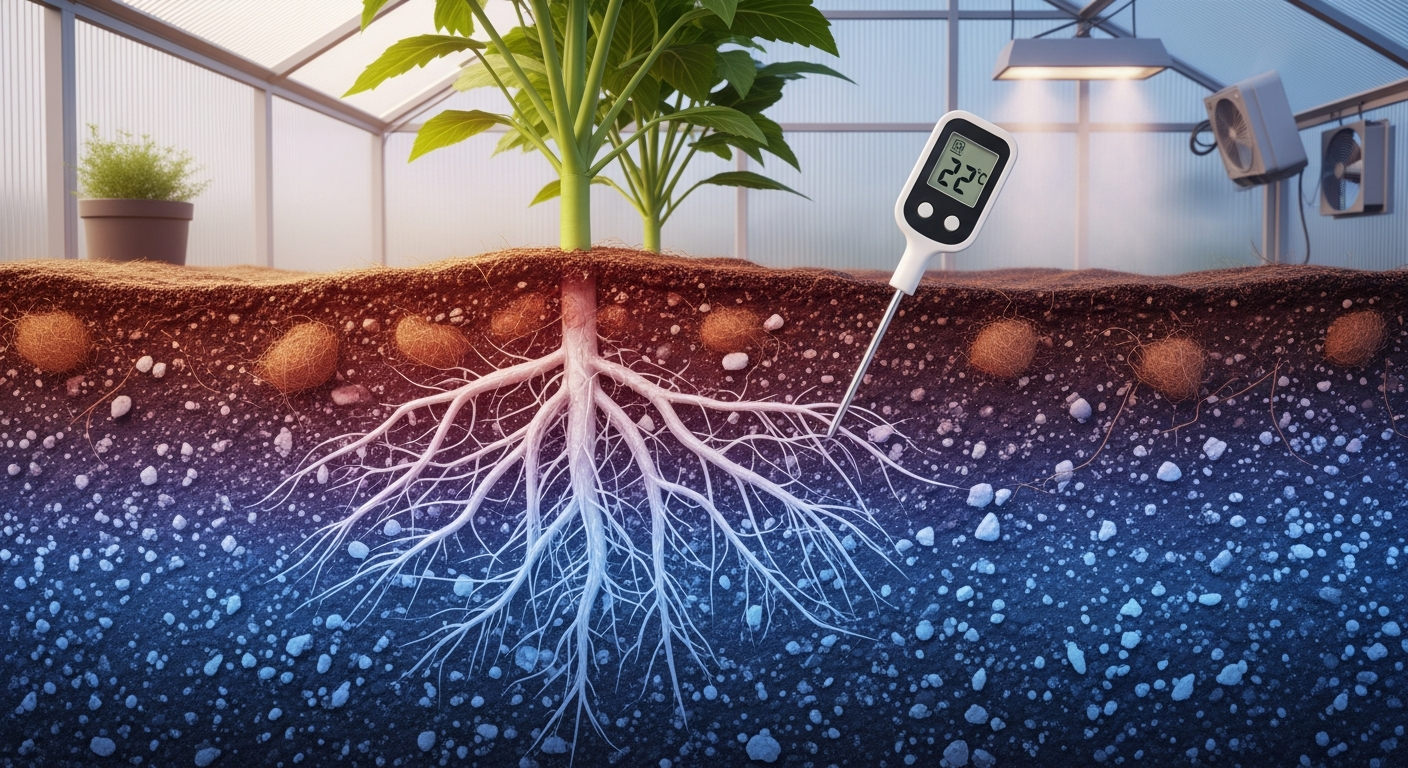
The best strategies are those that are actively monitored and adjusted. Invest in a good quality soil thermometer or root zone temperature probe. Regularly check the temperature of your growing media, especially during peak heat hours. For hydroponic systems, a submersible thermometer in your nutrient reservoir is essential. Pay attention to your plants – wilting despite adequate moisture, stunted growth, or unusual leaf discoloration can be indicators of root zone temperature stress.
Different plant species have varying tolerance levels. Research the optimal root zone temperatures for your specific crops and adjust your strategies accordingly. Proactive management based on weather forecasts, implementing multiple cooling techniques, and consistent monitoring will allow you to adapt swiftly and ensure your plants thrive even in the hottest summer conditions.
Conclusion
Optimizing root zone temperatures in summer is a critical yet often overlooked aspect of greenhouse climate control. By understanding the science behind root health and the sources of summer heat, growers can implement a combination of proactive strategies – from shading and mulching to strategic watering and active cooling systems. Regular monitoring of root temperatures and keen observation of plant health are indispensable for successful adaptation. A healthy, happy root system is the foundation for a robust, productive plant, ensuring your greenhouse flourishes throughout the warmest months. Invest the time and effort into keeping your roots cool, and your plants will reward you with vibrant growth and abundant yields.