
As temperatures rise, the joy of nurturing plants in your small hobby greenhouse can quickly turn into a battle against oppressive heat. For many small-scale growers, traditional air conditioning units are often too costly, too complex to install, or simply overkill for their compact growing spaces. This is where the unsung hero of energy-efficient cooling steps in: the portable evaporative cooler. Often referred to as “swamp coolers,” these ingenious devices offer a practical, affordable, and surprisingly effective solution for maintaining optimal growing conditions, ensuring your beloved plants thrive even when the mercury climbs.
Understanding Portable Evaporative Coolers: How They Work
At its core, a portable evaporative cooler operates on a remarkably simple, yet powerful, natural principle: the cooling effect of evaporation. Imagine stepping out of a swimming pool on a breezy day – that instant chill you feel is evaporation in action. An evaporative cooler mimics this process.
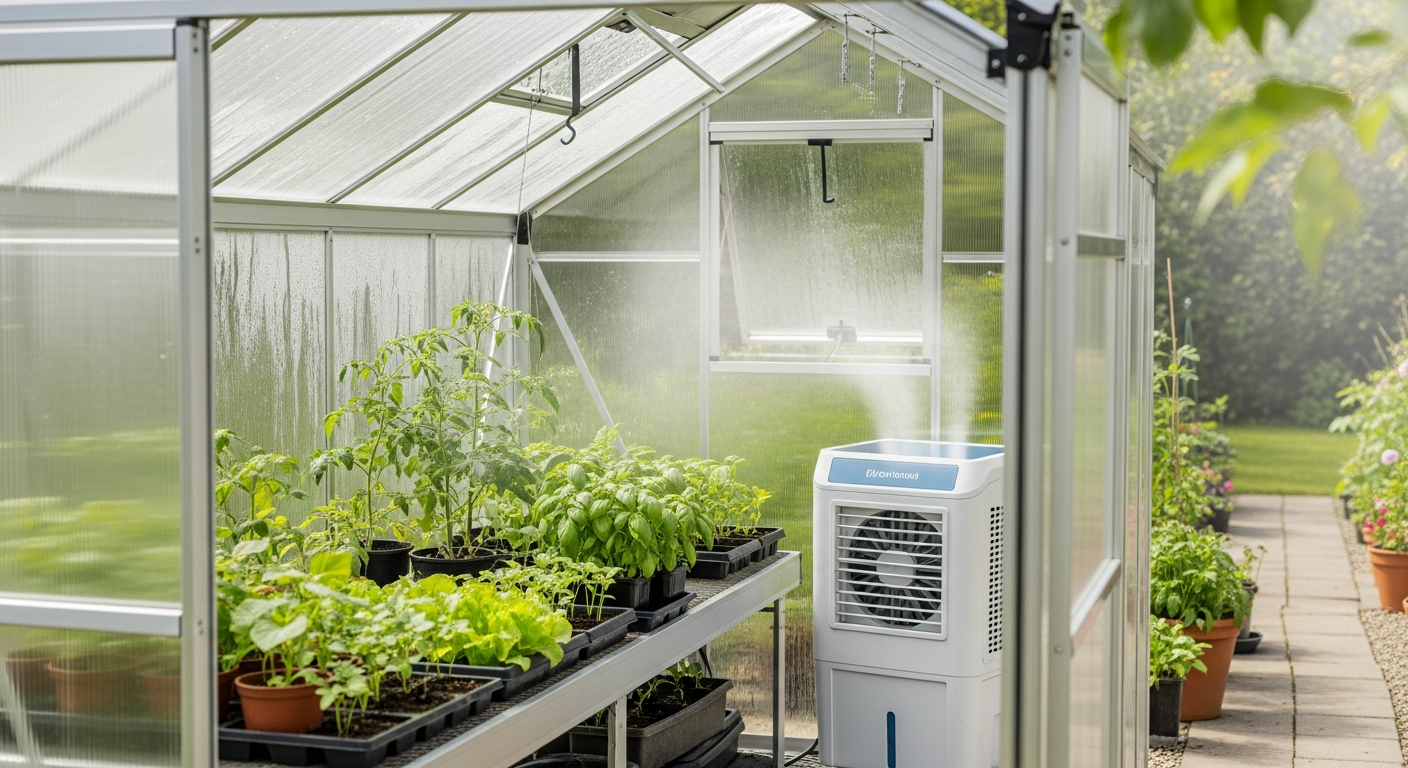
Here’s a breakdown of how these units function:
- Water Reservoir: The unit contains a reservoir that holds water.
- Water Pump: A small pump circulates this water, drawing it up to saturate a set of specialized cooling pads (often made from cellulose or synthetic fibers).
- Fan: A powerful fan draws warm, dry air from your greenhouse through these moisture-laden pads.
- Evaporation: As the warm air passes over the wet pads, the water absorbs heat from the air and evaporates, causing the air temperature to drop significantly.
- Cooled Air: The now cooler, more humid air is then blown out into your greenhouse, creating a refreshing environment for your plants.
Unlike conventional air conditioners that rely on refrigerants and a compressor to remove heat, portable evaporative coolers use only water and a fan. This fundamental difference makes them incredibly energy-efficient and a much greener choice for greenhouse climate control. They don’t just cool; they also add beneficial humidity to the air, which can be a boon for many tropical and subtropical plant varieties that often struggle in dry greenhouse environments.
Why Choose a Portable Evaporative Cooler for Your Small Hobby Greenhouse?
For small hobby greenhouse owners, the decision to invest in a portable evaporative cooler comes with a host of compelling advantages, addressing both budgetary concerns and plant health needs.
Cost-Effectiveness and Energy Savings
One of the most attractive benefits of using a portable evaporative cooler is its economic advantage. The initial purchase price of these units is typically far lower than that of an equivalent portable air conditioner. More importantly, their operational costs are a fraction of what an AC unit demands.
- Lower Power Consumption: Evaporative coolers use significantly less electricity because their primary components are a fan and a small water pump, rather than a power-hungry compressor. This translates directly into lower utility bills during peak cooling seasons.
- Reduced Installation Costs: There’s no complex ductwork, specialized wiring, or professional installation required. You simply fill the water tank, plug it in, and turn it on, saving you time and money.
For the budget-conscious hobbyist, this makes portable evaporative coolers an exceptionally smart investment for effective greenhouse cooling.
Enhancing Plant Health and Comfort
Beyond the financial benefits, these coolers play a crucial role in creating a thriving environment for your plants.
- Temperature Regulation: By circulating cooled air, evaporative coolers help prevent the dangerously high temperatures that can stress plants, stunt growth, or even lead to wilting and death. They create a more stable thermal environment, crucial for consistent plant development.
- Beneficial Humidity: Many plants, especially those originating from humid tropical or subtropical climates, thrive in environments with higher moisture levels. Unlike AC units that dehumidify, evaporative coolers naturally increase the humidity, which can promote healthier foliage, reduce transpiration stress, and improve overall vigor for sensitive plants like orchids, ferns, or carnivorous plants.
- Fresh Air Circulation: These units continuously draw in fresh outside air, cool it, and circulate it, preventing the stale, stagnant air that can sometimes accumulate in enclosed greenhouse spaces. This constant air exchange is beneficial for reducing fungal issues and promoting healthy plant respiration.
The combination of cooling and humidification makes portable evaporative coolers particularly well-suited for a wide range of popular greenhouse plants, helping you achieve better yields and more vibrant growth.
Ease of Use and Portability
The clue is in the name: portable. These units are designed for convenience.
- No Fixed Installation: Forget about permanent fixtures or structural modifications. Portable evaporative coolers are standalone units that can be moved as needed.
- Flexible Placement: This allows you to position them strategically within your small greenhouse, directing the cool air precisely where your plants need it most, or even moving them out for seasonal storage when not required. Their mobility makes them incredibly versatile for evolving greenhouse layouts or multi-purpose spaces.
Strategic Placement and Operation Tips for Optimal Cooling
To maximize the efficiency and effectiveness of your portable evaporative cooler, strategic placement and proper operation are paramount. A well-placed unit can make a significant difference in maintaining ideal small greenhouse climate control.
Placement is Key
The success of evaporative cooling hinges on proper airflow and ventilation. Without an exhaust path for the humid air, the cooler will merely add moisture without achieving significant temperature reduction.
- Near a Fresh Air Intake: Position your cooler near an open vent, a partially open door, or a window where it can draw in fresh, warm air from outside the greenhouse.
- Ensure an Exhaust Path: Critically, there must be an exit point for the humid air. This could be another open vent, a fan drawing air out on the opposite side of the greenhouse, or even a small gap. The goal is to create a flow-through ventilation system where fresh air enters, is cooled and humidified, and then the more humid air is exhausted.
- Direct Air Towards Plants: Angle the unit so the cooled air is directed over and around your plants. Avoid placing it directly against a wall where airflow would be restricted.
- Consider Greenhouse Size: For very small greenhouses, one well-placed portable unit might suffice. For slightly larger spaces or L-shaped designs, you might need to experiment with placement or consider additional passive ventilation.
Water Management
The water in your cooler is its lifeblood.
- Regular Refills: Monitor the water reservoir frequently, especially on hot, dry days when evaporation rates are high. Running the unit dry can damage the pump.
- Water Quality: If you have hard water, consider using distilled or filtered water to minimize mineral buildup on the cooling pads and in the reservoir. Mineral deposits (limescale) can reduce efficiency over time and require more frequent cleaning.
Humidity Monitoring
While added humidity is often a benefit, too much can lead to problems like fungal diseases.
- Use a Hygrometer: Invest in a simple hygrometer to monitor the humidity levels inside your greenhouse. This will help you understand how your cooler is affecting the environment.
- Adjust as Needed: If humidity levels become excessively high for your specific plants, you might need to increase ventilation (open more vents), reduce the cooler’s fan speed, or operate it intermittently. Remember, different plants have different humidity requirements.
Pairing with Other Cooling Methods
An evaporative cooler works best as part of an integrated cooling strategy for your greenhouse.
- Shade Cloth: Combine your cooler with shade cloth on the exterior of your greenhouse to block direct sunlight and reduce the initial heat load. This allows the cooler to work more efficiently.
- Exhaust Fans: In some setups, pairing your evaporative cooler with a dedicated exhaust fan on the opposite side of the greenhouse can greatly enhance airflow and ensure effective humid air removal.
- Natural Ventilation: Don’t forget the power of simple cross-ventilation. Open roof vents and side vents in conjunction with your cooler to create a dynamic airflow.
Maintenance for Longevity and Efficiency
Like any appliance, regular maintenance will ensure your portable evaporative cooler continues to perform optimally and serves you well for many seasons. Neglecting maintenance can lead to reduced efficiency, unpleasant odors, and a shorter lifespan for the unit.
- Clean Cooling Pads: These are the heart of your cooler. Over time, they can accumulate dust, dirt, and mineral deposits (especially with hard water) or even develop mold. Follow manufacturer instructions for cleaning or replacing pads, typically every 1-2 years or as needed. Cleaning usually involves rinsing with water and a soft brush, or a mild detergent solution for stubborn buildup.
- Drain and Clean Water Reservoir: Periodically drain the old water and clean the reservoir to prevent the buildup of algae, mold, and mineral sludge. A mild bleach solution (diluted) or vinegar can be used to sanitize the tank. Rinse thoroughly afterwards.
- Check the Pump: Ensure the water pump is free of debris and functioning correctly. A clogged pump can prevent water from reaching the cooling pads.
- Filter Cleaning: Some units may have an air filter. Clean or replace it regularly according to the manufacturer’s guide.
- Seasonal Storage: Before storing the unit for the off-season, ensure it is completely drained, cleaned, and dry to prevent mold and mildew growth. Store it in a dry, protected area.
By dedicating a little time to routine care, you can ensure your portable evaporative cooler remains an effective and reliable tool for your greenhouse climate control needs.
Conclusion
For the small hobby greenhouse owner battling the summer heat, a portable evaporative cooler offers a compelling, budget-friendly, and environmentally conscious solution. By harnessing the natural power of evaporation, these units effectively cool your growing space while simultaneously providing beneficial humidity, fostering a healthier environment for a wide array of plants. Their ease of use, portability, and significantly lower operating costs make them an accessible alternative to traditional air conditioning. With strategic placement, mindful water management, and regular maintenance, a portable evaporative cooler can transform your small greenhouse into a thriving oasis, allowing your cherished plants to flourish even during the hottest months. Embrace this smart cooling technology and watch your greenhouse reach new heights of productivity and beauty.