
A greenhouse is an invaluable asset for any grower, extending seasons and protecting delicate plants. However, the very structure designed to capture sunlight can also become a significant source of unwanted heat gain, especially during warmer months or in regions with high solar radiation. While much attention is often paid to glazing materials and ventilation systems, the structural components of your greenhouse – the frames, foundations, and support beams – play a crucial, yet often overlooked, role in its overall thermal performance. Understanding how to mitigate heat transfer through these elements isn’t just about comfort; it’s about optimizing growing conditions, reducing energy consumption for cooling, and ultimately boosting your bottom line. Let’s explore practical strategies to turn your greenhouse’s structure from a heat magnet into a thermal ally.
Understanding Heat Transfer Through Greenhouse Structures
To effectively combat heat gain, we first need to understand the mechanisms by which heat infiltrates your greenhouse via its structural components. Heat transfer primarily occurs through three methods:
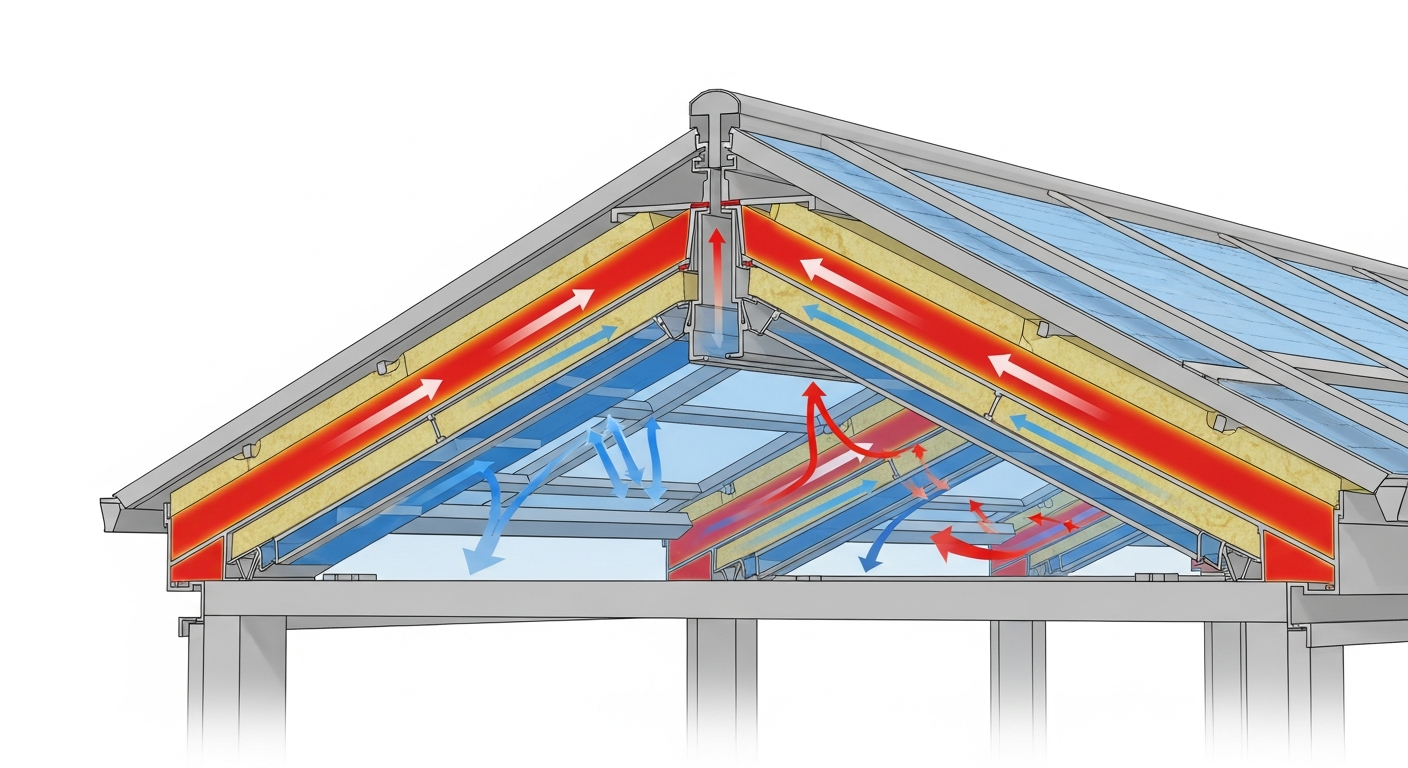
- Conduction: This is the direct transfer of heat through a material. Metal frames (aluminum, steel) and concrete foundations are excellent conductors, meaning they readily absorb heat from the sun and transfer it into the cooler greenhouse interior.
- Convection: While less significant for solid structural parts, convection can occur as air heats up around warm structural elements and then moves, distributing that heat within the greenhouse.
- Radiation: Heated structural components will radiate thermal energy into the greenhouse space. Darker surfaces absorb more solar radiation and re-emit it as heat.
Common culprits include:
- Metal Framing: Aluminum and steel are widely used for their strength and durability, but their high thermal conductivity means they can rapidly conduct heat from the exterior to the interior.
- Concrete Foundations and Walls: Concrete is a dense material that absorbs and stores a significant amount of heat. Once warmed, it can slowly release this heat into the greenhouse, even after the sun has set.
- Solid Support Beams: Any thick, solid material exposed to direct sunlight can absorb and conduct heat.
Ignoring these thermal bridges can lead to localized hotspots, increased cooling loads, and higher operational costs. Addressing them is key to improving your greenhouse’s energy efficiency and creating a more stable growing environment.
Insulating Foundations and Base Walls for Reduced Heat Gain
The foundation of your greenhouse provides structural integrity, but it can also be a major source of heat transfer from the ground and ambient air into your growing space. Effective insulation here is a foundational step (pun intended!) in controlling internal temperatures.
Exterior Insulation for Foundations
Applying insulation to the exterior of your greenhouse foundation is often the most effective method for reducing heat gain (and loss). This technique helps to isolate the foundation from external temperature fluctuations and solar radiation.
- Rigid Foam Boards: Materials like Extruded Polystyrene (XPS) or Expanded Polystyrene (EPS) are excellent choices. They are moisture-resistant and provide a good thermal break.
- Application: Dig a trench around the foundation perimeter and attach the foam boards directly to the exterior concrete or block walls, extending below grade. Ensure proper drainage and protection for the above-grade portion (e.g., a protective finish coat or flashing).
- Benefits: Significantly reduces heat conduction from the surrounding soil and directly irradiated surfaces.
Interior Insulation and Reflective Barriers
While exterior insulation is primary, interior strategies can complement it, especially for existing structures or where exterior application is impractical.
- Reflective Foil Barriers: Applying a radiant barrier or reflective foil insulation to the interior of foundation walls can reflect radiant heat away from the growing space. This is particularly effective for concrete walls that absorb and re-radiate heat.
- Insulating Paints: Certain ceramic-based or reflective paints can be applied to the interior surface of foundation walls to reduce heat absorption and re-emission. While not as effective as rigid insulation, they can offer a noticeable improvement.
- Vapor Barriers: Coupled with insulation, a proper vapor barrier prevents moisture from penetrating the insulation, maintaining its thermal performance and preventing condensation issues.
Addressing Thermal Bridging at Ground Level
Consider the interface where the greenhouse structure meets the foundation. Materials like steel base plates can act as direct thermal bridges. Introducing a non-conductive gasket or thermal break material between the metal frame and the concrete foundation can significantly interrupt heat flow.
Minimizing Heat Gain from Framing Materials
The skeletal frame of your greenhouse is continuously exposed to solar radiation, making it a critical area for heat gain. Strategic material choices and modifications can drastically improve thermal performance.
Choosing the Right Framing Materials
While often a decision made during initial construction, understanding material properties is vital for new builds or major renovations.
- Aluminum: Lightweight, strong, and corrosion-resistant, but highly conductive. Often the biggest culprit for heat gain.
- Steel: Very strong, durable, but also highly conductive and susceptible to rust without proper treatment.
- Wood: A natural insulator, offering significantly better thermal performance than metal. However, it requires more maintenance (rot, pests) and can shade more due to larger profiles.
- PVC/Vinyl: Good insulators and low maintenance, but less robust for large structures and can degrade under intense UV over time.
- Composite Materials: Emerging options offer a balance of strength and insulation, but are generally more expensive.
If you have a metal-framed greenhouse, don’t despair; there are many ways to improve its performance.
Implementing Thermal Breaks in Frames
A thermal break is a material of low thermal conductivity placed in an assembly to reduce or prevent the flow of thermal energy. For metal frames, this is a game-changer.
- How They Work: Thermal breaks physically separate the interior and exterior sections of a metal frame with a non-conductive material (e.g., rigid foam, plastic strips). This dramatically reduces the conductive heat path.
- Existing Structures: For many older aluminum greenhouses, adding external or internal strips of insulating material along the frame can act as an aftermarket thermal break, reducing direct contact between the heated exterior frame and the interior air.
- New Construction: Opt for greenhouse systems that incorporate factory-integrated thermal breaks within their frame profiles.
Reflective Coatings and Paints for Frame Surfaces
Applying reflective coatings to the exterior surfaces of your greenhouse frame can significantly reduce the amount of solar radiation absorbed.
- White or Light-Colored Paint: Painting exterior metal or wooden frame components white or a light, reflective color will reflect a large portion of solar energy, preventing the frame from heating up as much.
- Specialized Reflective Coatings: Some paints are formulated with ceramic microspheres or other reflective pigments to further enhance their heat-blocking properties.
This strategy is cost-effective and can be implemented on existing structures with relatively little effort.
Internal Frame Shading
Even if the exterior frame gets hot, you can reduce its direct radiant heat contribution to the interior.
- Reflective Tape or Sleeves: Applying reflective tape or insulating sleeves to the interior-facing surfaces of frame members can help bounce radiant heat back towards the glazing or reflect it away from plants.
Strategic Shading and Ventilation Around Structural Elements
Beyond direct insulation and coatings, how you manage your greenhouse’s overall climate control can indirectly impact heat gain from structural components.
Targeted Exterior Shading
Shade systems are primarily for protecting plants and reducing overall solar gain, but they also have a direct benefit for structural components.
- Shade Cloths: Installing exterior shade cloths over the entire greenhouse during peak sun hours prevents direct solar radiation from hitting the frame members and foundation walls, significantly reducing their temperature.
- Overhangs and Louvers: Strategically placed architectural elements can provide targeted shade to specific walls or frame sections that receive intense afternoon sun.
Enhanced Ventilation Near Heat-Absorbing Parts
Good airflow helps to dissipate heat from any source, including warm structural elements.
- Circulation Fans: Ensure adequate air circulation within the greenhouse, especially near walls and frame areas that tend to heat up. This helps to move warm air away from these surfaces and distribute it more evenly, preventing localized hotspots.
- Strategic Vent Placement: If possible, design your ventilation system to draw air past hot surfaces or to exhaust warm air that has collected around the frame.
Sealing and Glazing Gaskets
While not strictly about structural components, the quality of seals around your glazing significantly impacts overall thermal performance and can prevent air leaks that bring in hot, unconditioned air that then heats up structural elements further. Ensure all glazing is properly sealed to the frame with durable, UV-resistant gaskets to minimize air infiltration and maintain a tighter thermal envelope.
Conclusion
Optimizing your greenhouse for reduced heat gain from structural components is a multifaceted endeavor that pays dividends in energy efficiency, plant health, and operational savings. From insulating your foundation to implementing thermal breaks in your frames and applying reflective coatings, each strategy contributes to a more stable and controlled growing environment. By understanding how heat interacts with different materials and taking proactive steps to mitigate its transfer, you can transform your greenhouse from a potential heat trap into a truly efficient and productive space, ensuring your plants thrive even during the hottest days. Start evaluating your greenhouse structure today, and take the necessary steps to create a cooler, more energy-efficient growing haven.