
The gentle hum of a greenhouse is a gardener’s symphony, a delicate balance of light, temperature, and humidity. While sunlight is undeniably crucial for plant growth, too much of a good thing can quickly turn your thriving oasis into a scorching desert. Greenhouse shading is an essential tool in every climate-controlled grower’s arsenal, protecting delicate plants from intense solar radiation, preventing heat stress, and maintaining optimal growing conditions. However, the effectiveness of your shading strategy hinges entirely on proper installation. A hasty or ill-informed approach can lead to a host of problems, from stunted growth to damaged infrastructure. To help you ensure your plants flourish under perfectly moderated light, we’ve compiled the top 10 mistakes to avoid when installing greenhouse shading.
I. Planning & Preparation Pitfalls: Laying the Groundwork for Success
Before you even think about unrolling that shade cloth, a significant amount of planning and preparation is required. Skipping these crucial initial steps is where many growers stumble, leading to ineffective shading and wasted resources.
1. Ignoring Specific Plant Needs
One size does not fit all in the plant kingdom. Different species have vastly different light requirements, and what’s perfect for a succulent might be detrimental to an orchid. A common mistake is applying a uniform shading solution across a diverse collection of plants.
- The Mistake: Installing a single shade percentage without considering the light intensity preferences of all your greenhouse occupants. This can lead to some plants getting too much shade (etiolation, reduced flowering) and others still experiencing too much sun (scorching, wilting).
- The Fix: Conduct a thorough inventory of your plants. Research their optimal daily light integral (DLI) and light intensity needs. If you have a highly diverse collection, consider zoned shading or movable shade cloths that allow you to customize light levels for different sections of your greenhouse. For example, shade-loving ferns might need 70% shade, while fruiting plants like tomatoes might thrive with 30-40%.
2. Choosing the Wrong Shade Percentage
The shade percentage of a cloth indicates how much sunlight it blocks. Selecting the correct percentage is paramount to successful greenhouse climate control, and it’s a decision often made too hastily.
- The Mistake: Guessing or simply picking an arbitrary shade percentage (e.g., “50% sounds good”) without understanding its impact on your plants and internal greenhouse temperature. Too low a percentage offers insufficient protection; too high restricts vital light for photosynthesis.
- The Fix: Base your shade percentage on your climate, the intensity of your summer sun, and your plants’ needs. Common percentages range from 30% to 70%. In hotter, sunnier climates, you might start with 50-60%. In milder regions, 30-40% could suffice. Consider using a light meter to measure existing light levels inside your greenhouse without shading, then calculate what percentage reduction is needed to reach your target DLI.
3. Neglecting Proper Measurement and Sizing
It sounds basic, but inaccurate measurements are a surprisingly common source of frustration during shade cloth installation.
- The Mistake: Rushing measurements, assuming standard sizes will fit, or not accounting for overhang and attachment points. This results in shade cloth that’s either too small (leaving gaps for sun exposure) or too large (leading to sagging, wind damage, and difficult installation).
- The Fix: Measure your greenhouse structure meticulously. Measure the length and width of the areas you intend to shade. Add extra material for securing the cloth, typically 6-12 inches on each side, depending on your attachment method. For external shading, ensure the cloth extends beyond the roof edges to provide adequate coverage for side walls during peak sun angles. “Measure twice, cut once” is the golden rule here.
II. Installation Blunders: Getting the Physical Setup Right
Once you’ve planned everything out, the actual physical installation needs to be executed with care. Improper installation can negate all your careful planning and even damage your greenhouse or the shade cloth itself.
4. Improper Attachment Methods
How you secure your shade cloth determines its longevity and effectiveness. Weak or incorrect attachment is a recipe for disaster, especially in adverse weather conditions.
- The Mistake: Using inadequate fasteners like weak clips, string, or simply draping the cloth without proper tension. This leads to the shade cloth blowing off, tearing, sagging, or creating friction points that wear down the material.
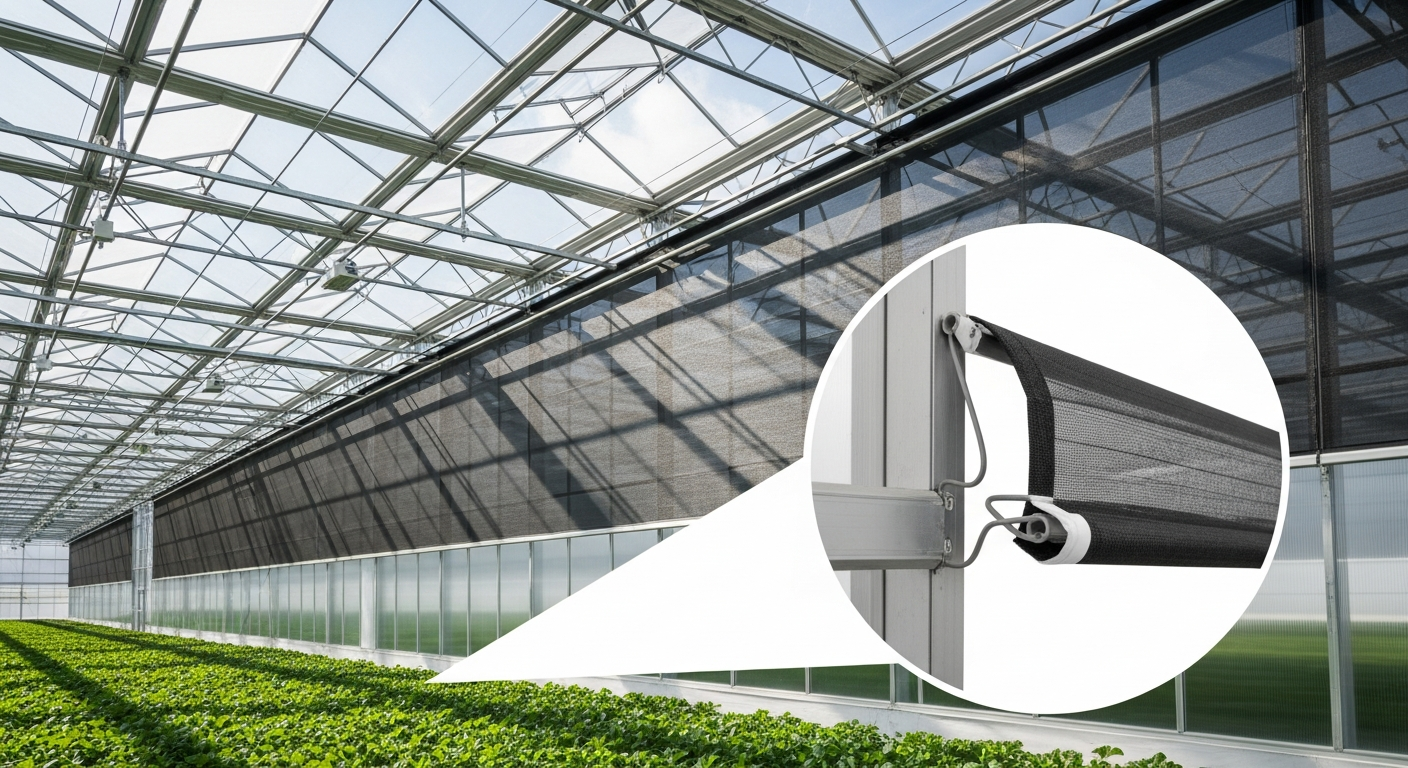
- The Fix: Invest in high-quality, UV-stabilized fasteners specifically designed for shade cloth, such as snap clips, bungee balls, or specialized grommets and ropes. Ensure the cloth is taut but not over-stressed, allowing for some flexibility. For external shading, use a sturdy support system (like wires or a frame) that can withstand wind load. Reinforce attachment points and spread the tension evenly to prevent localized tearing.
5. Blocking Essential Ventilation
Greenhouse ventilation is critical for controlling temperature and humidity. Shading should complement, not hinder, this vital function.
- The Mistake: Installing shade cloth in a way that obstructs vents, louvers, or natural airflow pathways. While shading reduces solar gain, blocking ventilation traps heat and humidity, leading to stagnant air, increased disease risk, and persistent heat stress.
- The Fix: Plan your shade cloth placement carefully to ensure all vents, fans, and rollup sides remain fully functional. If installing internally, consider placing the shade cloth below roof vents to allow hot air to escape freely. For external shading, ensure the design permits unobstructed airflow around the perimeter and through any roof or side vents. Good air circulation is just as important as reduced light intensity for optimal greenhouse climates.
6. Forgetting Seasonal Adjustments
The sun’s intensity and angle change dramatically throughout the year. What works in summer might be detrimental in winter.
- The Mistake: Installing a fixed shade solution that isn’t easily adjustable or removable. Leaving high-percentage shade cloth on during fall or winter can severely limit the light plants need for photosynthesis, leading to leggy growth and reduced vigor.
- The Fix: Design your shading system to be easily deployable and retractable. Consider internal shade curtains on wires, external rollup systems, or simple clips that allow for quick removal. Even in winter, some shading might be needed on exceptionally bright days, but the ability to remove it on cloudy days is crucial. Think about the path of the sun during different seasons and how it impacts light penetration.
7. Overlooking Access for Maintenance
Greenhouses require ongoing care, from watering and pest control to structural maintenance. Your shading shouldn’t make these tasks harder.
- The Mistake: Installing shade cloth in a way that creates hard-to-reach areas, makes it difficult to access plants for pruning, or complicates structural repairs or cleaning of the greenhouse covering.
- The Fix: When planning, consider how you will move around your greenhouse. If using internal shade cloth, ensure it can be easily pulled back or moved to access plants. For external shading, ensure you can still safely access the greenhouse exterior for cleaning or repairs without damaging the shade material. Systems that allow for sections to be opened or moved are ideal.
III. Material & Long-Term Oversights: Ensuring Durability and Efficiency
The upfront cost of a shading system can tempt some to cut corners. However, material quality and long-term planning are crucial for efficiency and cost-effectiveness over time.
8. Skimping on Material Quality
Not all shade cloths are created equal. Investing in durable, high-quality material will save you money and headaches in the long run.
- The Mistake: Opting for the cheapest available shade cloth, which often lacks UV stabilization or sufficient weave strength. Such materials degrade rapidly in sunlight, become brittle, tear easily, and need frequent replacement, ultimately costing more.
- The Fix: Choose UV-stabilized, high-density polyethylene (HDPE) knitted shade cloth. These materials are designed to withstand years of harsh sunlight, resist tearing, and maintain their shade percentage. Look for reputable brands and read reviews. While the initial investment might be slightly higher, the longevity and consistent performance will pay off.
9. Failing to Plan for Automatic vs. Manual Control
Deciding between manual and automated shading systems has significant implications for your greenhouse management and plant health.
- The Mistake: Not considering the practicality of operating your shading system daily. A large greenhouse with manual shading might become a daily chore, leading to inconsistencies in light exposure. Conversely, an overly complex automatic system for a small hobby greenhouse might be an unnecessary expense.
- The Fix: For small hobby greenhouses, a simple manual system with ropes and pulleys or easily clipped shade cloth is often sufficient. For larger operations or busy individuals, investing in an automated system with sensors (light, temperature) can be a game-changer. These systems deploy or retract the shade cloth based on preset conditions, providing consistent optimal light and temperature, reducing labor, and preventing human error.
10. Ignoring Wind Resistance and Durability
Wind is a powerful force that can quickly destroy improperly installed or flimsy shade systems.
- The Mistake: Underestimating wind load, especially with external shade cloths. Loose, flapping fabric or weak attachment points are highly susceptible to wind damage, leading to tearing, structural stress on the greenhouse, or the shade cloth becoming a dangerous projectile.
- The Fix: For external shading, select a knitted shade cloth (not woven) as it’s less prone to unraveling if torn and offers better wind dissipation. Ensure all attachment points are robust and the cloth is securely tensioned to prevent flapping. If you live in a high-wind area, consider a system with a solid frame or internal shading as a safer alternative. Regular checks for wear and tear are also crucial to prevent small tears from escalating into major damage during a storm.
Conclusion
Installing greenhouse shading is a critical step in creating a thriving environment for your plants. By avoiding these common mistakes, you can ensure your shading system is effective, durable, and truly beneficial for your greenhouse. From meticulous planning of plant needs and shade percentages to choosing quality materials and executing a robust installation, every detail matters. Remember, a well-shaded greenhouse isn’t just about blocking light; it’s about optimizing the entire microclimate, leading to healthier plants, better yields, and a more enjoyable gardening experience. Take your time, do your research, and invest in a system that protects your green investment for years to come.