
Greenhouse cooling pads are unsung heroes, diligently working to maintain optimal temperatures for your plants, especially during sweltering summers. These evaporative cooling systems, often referred to as “wet walls,” pull warm air through water-saturated pads, lowering the air temperature and increasing humidity – a critical function for many crops. However, this perfectly moist, often warm, and light-exposed environment also creates an ideal breeding ground for an unwelcome guest: algae. Left unchecked, algae growth on your cooling pads can significantly hinder their efficiency, shorten their lifespan, and even impact the health of your greenhouse ecosystem. But fear not, fellow grower! With a proactive approach and a few strategic practices, you can keep those pads clean and your cooling system running at peak performance.
Understanding the Algae Problem: Why It Thrives and What It Harms
Before we dive into prevention, it’s crucial to understand why algae are so drawn to your cooling pads and the detrimental effects they can have. Algae are simple photosynthetic organisms, meaning they need three primary things to grow: water, light, and nutrients. Your greenhouse cooling pads provide all three in abundance:
- Constant Moisture: The very nature of evaporative cooling ensures a perpetually wet surface.
- Light Exposure: Cooling pads are typically installed on the sunny side of the greenhouse or exposed to ample ambient light.
- Nutrient Availability: Dust, pollen, airborne debris, fertilizer residues, and even minerals in your water supply act as excellent food sources for algae.
Once established, algae create a host of problems:
- Reduced Cooling Efficiency: Algae clog the small channels within the pad material, restricting airflow and reducing the evaporative surface area. This means less cool air for your plants.
- Decreased Airflow: A heavily fouled pad acts like a partial blockage, forcing your exhaust fans to work harder and reducing the overall air exchange rate in the greenhouse.
- Shorter Pad Lifespan: Algae can break down the cellulose or synthetic materials of the pads over time, leading to premature deterioration and the need for costly replacements.
- Odors: Decaying algae can produce unpleasant, musty odors that permeate your greenhouse.
- Pest and Disease Vector: While algae itself isn’t a direct plant pathogen, a persistently moist and algae-laden environment can harbor fungal spores, bacteria, and create conditions favorable for pests like fungus gnats.
- Pump Strain: Algae can clog pump screens and lines, forcing your pump to work harder and potentially leading to premature failure.
Proactive Design and Installation for Algae Control
Prevention starts even before your cooling system is fully operational. Thoughtful design and installation can significantly reduce the potential for algae growth.
1. Optimize Pad Shading and Placement
- Minimize Direct Sunlight: Whenever possible, position your cooling pads away from direct, intense sunlight. If this isn’t feasible, consider installing external shade cloth specifically over the pads during peak sun hours. Even slight shading can make a big difference in slowing algae photosynthesis.
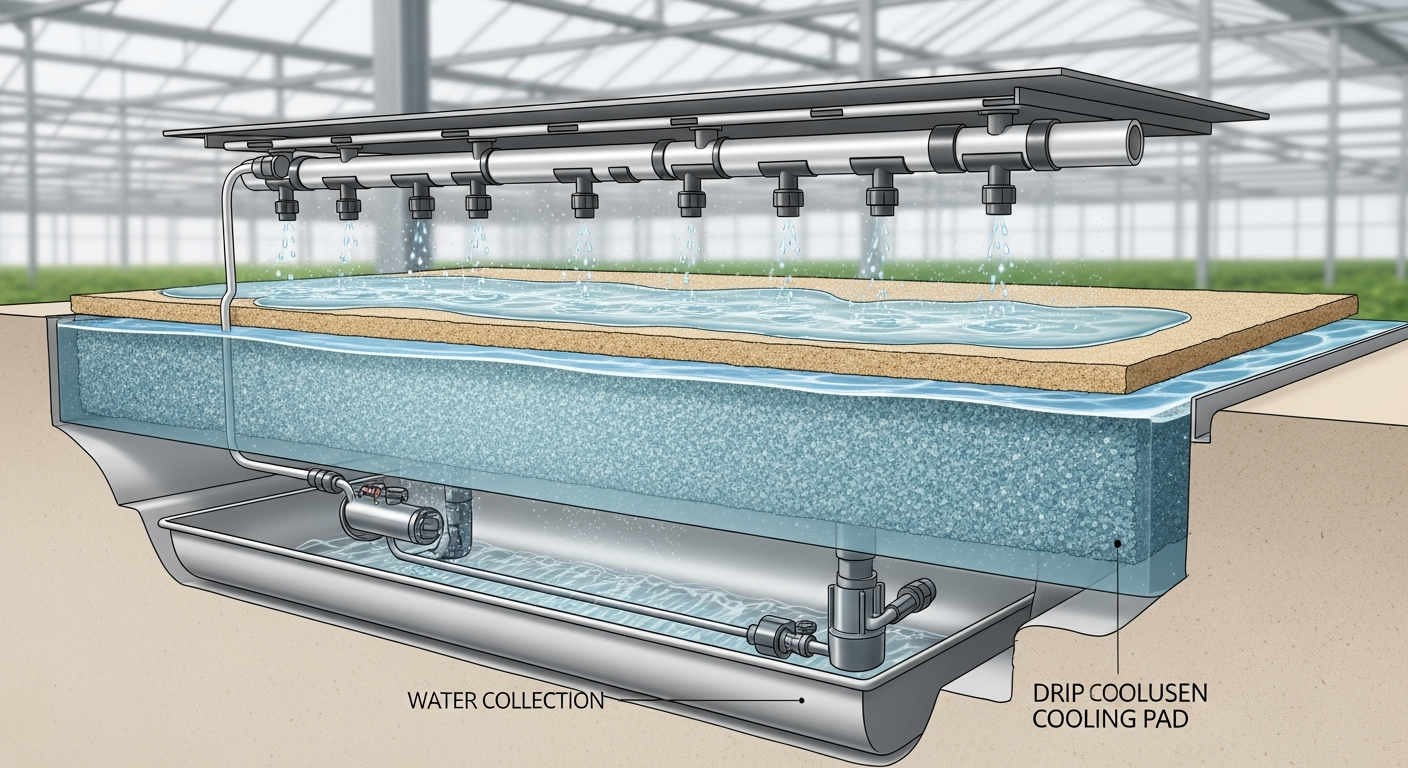
- Cover the Sump: The water reservoir (sump) beneath your pads is another prime location for algae. Ensure your sump is fully covered and light-tight. This simple step can drastically reduce algae proliferation in your circulating water.
2. Ensure Proper Water Distribution and Drainage
- Even Wetting: Make sure your water distribution system (drip lines, spray bars) delivers water uniformly across the entire top edge of the cooling pads. Dry spots can lead to uneven cooling, while perpetually oversaturated areas can encourage stagnant water and algae.
- Adequate Flow Rate: Maintain the manufacturer-recommended water flow rate. Too little water can lead to dry spots; too much can cause splashing and inefficient evaporation.
- Proper Drainage: Ensure the sump and associated plumbing allow for complete drainage when the system is off. Stagnant water left in the system for extended periods is an algae magnet.
3. Water Quality Management
The quality of your water supply plays a huge role in algae prevention.
- Filtration: Install a good quality filter on your water supply line before it enters the sump. This will remove sediment, dust, and other particulate matter that can serve as initial nutrient sources for algae. Regular cleaning or replacement of filter cartridges is essential.
- pH Control: Algae generally prefer a neutral to slightly acidic pH (6.0-7.5). While not always practical to adjust for cooling pads alone, being aware of your water’s pH can inform other strategies. Some growers aim for a slightly alkaline pH (around 7.5-8.0) in the circulating water to deter algae.
- Dilution and Bleed-off: As water evaporates, dissolved solids and nutrients become more concentrated in the sump. A “bleed-off” or “dump and fill” strategy helps. Regularly drain a portion of the sump water and replace it with fresh water. Some systems have automated bleed-off valves. This dilutes nutrient concentrations, making the environment less hospitable for algae.
Routine Maintenance: Your First Line of Defense
Consistent maintenance is key to keeping algae at bay and ensuring your cooling system operates efficiently season after season.
1. Daily/Weekly Checks
- Visual Inspection: Briefly inspect your cooling pads daily or weekly for any signs of green, slimy growth. Early detection is crucial.
- Check Water Flow: Ensure water is flowing evenly across the pads and that the pump and distribution lines are clear.
- Remove Debris: Skim any leaves, dust, or other debris from the sump. This material decomposes and provides nutrients for algae.
2. Bi-Weekly/Monthly Tasks
- Drain and Clean the Sump: At least once a month (more frequently during peak cooling season), drain the entire sump. Scrub the interior to remove any settled sludge, algae, or mineral deposits. Rinse thoroughly before refilling.
- Flush Distribution Lines: Periodically flush your water distribution lines to prevent mineral buildup and algae from clogging the emitters.
- Gentle Pad Cleaning: If you see light algae growth, you can often gently brush it off with a soft brush (like a car wash brush) while the water is running. Avoid harsh scrubbing that could damage the pad material.
3. Seasonal Deep Cleaning and Storage
- End-of-Season Clean: Before storing your pads for the off-season or before peak use, perform a thorough cleaning.
- Drain and Dry: Completely drain the system and allow the pads to dry out thoroughly. This alone can kill a significant amount of algae.
- Scrub and Rinse: For persistent algae, remove the pads if possible. Scrub them with a soft brush and a mild cleaning solution. A dilute solution of hydrogen peroxide (e.g., 1 part 3% hydrogen peroxide to 10 parts water) or a very mild, non-foaming chlorine bleach solution (e.g., 1 part household bleach to 20 parts water) can be effective. Always rinse the pads thoroughly with clean water multiple times after using any cleaning solution to ensure no residue remains that could harm plants when the system is operational.
- Inspection: Inspect pads for damage or wear and tear, replacing them as needed.
- Proper Storage: Store clean, dry pads in a dark, dry place to prevent algae or mold growth during the off-season.
Strategic Treatments: When Prevention Needs a Boost
Even with the best preventive measures and routine maintenance, algae can sometimes gain a foothold. Here are some strategic treatments to consider, keeping plant safety and environmental impact in mind.
1. Biological Algaecides
These are often the safest and most eco-friendly option for active greenhouse systems. Biological algaecides contain beneficial bacteria (e.g., certain Bacillus strains) that compete with algae for nutrients, effectively starving them out. They are typically safe for plants and beneficial insects when used as directed.
- Application: Follow manufacturer instructions for dosing and application to your sump water.
- Benefits: Non-toxic, environmentally friendly, safe for most plants.
- Considerations: May take longer to see results compared to chemical options.
2. Chemical Algaecides (Use with Extreme Caution!)
While effective, many chemical algaecides can be phytotoxic (harmful to plants) or have environmental concerns. Always read labels carefully and ensure the product is approved for greenhouse use and compatible with your specific crops.
- Hydrogen Peroxide: A popular choice due to its effectiveness and breakdown into water and oxygen. Use a dilute solution (e.g., 3-6% concentration for direct application, or lower concentrations for continuous dosing in the sump, following product guidelines). It can be applied directly to pads or added to the sump water.
- Greenhouse-Specific Algaecides: There are commercial products designed specifically for greenhouses. These are generally safer for plants than general household algaecides, but caution is still paramount.
- Copper-Based Compounds (e.g., Copper Sulfate): Highly effective against algae, but use with extreme caution, if at all, in greenhouses. Copper can accumulate in soil, be phytotoxic to many plants, and is harmful to aquatic life. It’s generally not recommended for recirculating systems where plants are present.
- Sodium Hypochlorite (Bleach): Excellent for *cleaning* pads when the system is shut down and empty, or for disinfecting empty sumps. Never run bleach through your system when plants are present, as it is highly phytotoxic and corrosive. Thorough rinsing is essential after use.
3. UV Sterilization
For larger or more advanced greenhouse operations, installing a UV sterilizer in the recirculating water line can be a highly effective, chemical-free method of algae control. As water passes through the UV chamber, the ultraviolet light destroys algae cells and other waterborne pathogens.
- Benefits: Chemical-free, effective against a wide range of microorganisms, doesn’t impact water chemistry.
- Considerations: Higher initial investment, requires periodic bulb replacement.
Conclusion
Maintaining clean, algae-free cooling pads is fundamental to the efficient operation of your greenhouse and the health of your plants. By understanding the conditions that foster algae growth and implementing a comprehensive strategy that includes proactive design, diligent routine maintenance, and targeted treatments, you can keep your evaporative cooling system running smoothly. A little vigilance goes a long way in preventing this slimy intruder from compromising your greenhouse climate control. Invest the time in prevention, and your plants (and your energy bill) will thank you.