
Greenhouse growing offers a sanctuary for plants, extending seasons and nurturing delicate flora. However, one of the most persistent challenges greenhouse enthusiasts face is managing heat, especially during warmer months. While often overlooked, the greenhouse floor plays a surprisingly significant role in regulating the overall ambient temperature. It’s not just about opening vents or deploying shade cloth; understanding and actively managing your floor’s temperature can be a game-changer for maintaining optimal growing conditions and preventing your plants from succumbing to excessive heat stress.
In this comprehensive guide, we’ll dive deep into various strategies, both passive and active, to cool your greenhouse floor, ultimately helping you to significantly reduce ambient heat and create a more stable, comfortable environment for your precious plants.
The Greenhouse Floor: An Overlooked Heat Contributor
Before we can effectively cool the floor, it’s crucial to understand why it contributes to ambient heat in the first place. The floor of your greenhouse, whether it’s bare soil, gravel, or concrete, acts as a significant thermal mass. Throughout the day, as solar radiation streams through the glazing, the floor absorbs a tremendous amount of heat. This stored heat is then slowly re-radiated back into the greenhouse air, often continuing well into the evening, long after the sun has set. This phenomenon can drastically elevate nighttime temperatures and make daytime cooling efforts less effective. Essentially, your floor can become a giant radiator, working against your efforts to maintain a stable, cool environment.
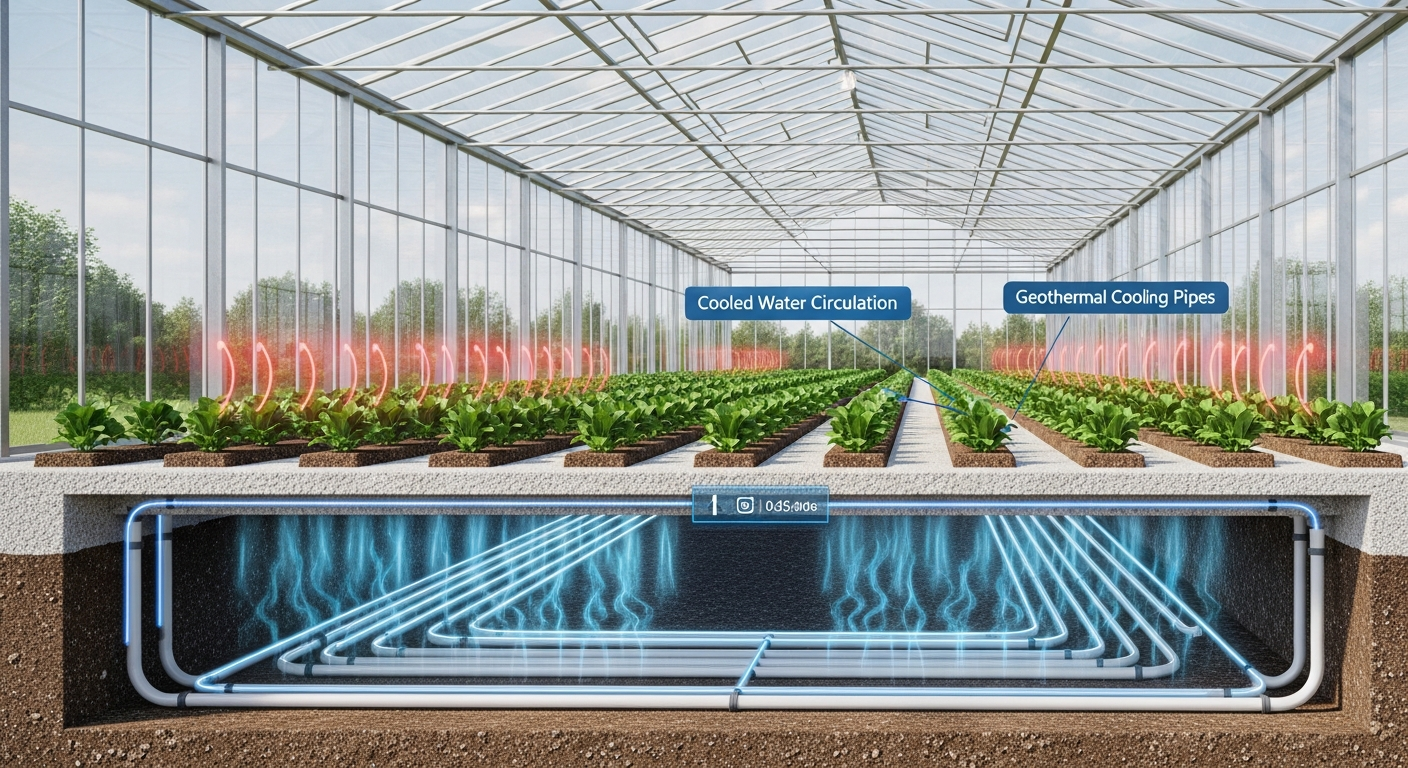
Furthermore, darker floor surfaces absorb more solar energy than lighter ones, compounding the heat absorption issue. High ground temperatures can also lead to increased evaporation from the soil surface, raising humidity levels which, while sometimes beneficial, can also exacerbate heat stress in conjunction with high air temperatures. Addressing the floor isn’t just about direct cooling; it’s about minimizing its role as a heat sink and maximizing its potential as a cool sink.
Passive Strategies for Floor Cooling
Passive cooling methods leverage natural principles to reduce heat without relying on electricity or complex machinery. These are often the first and most cost-effective steps to take.
Reflective Surfaces and Shading
- Light-Colored Floor Materials: One of the simplest and most effective strategies is to use light-colored materials for your greenhouse floor. White gravel, light-colored concrete, or even painting existing concrete with reflective white paint can significantly reduce heat absorption. These surfaces reflect a much larger portion of solar radiation compared to dark soil or traditional gray concrete, preventing the floor from becoming a heat battery.
- Under-Bench Shading: Plants on benches often leave the floor directly beneath them exposed to sunlight. Consider placing reflective ground covers or even simple light-colored tarps directly on the floor under benches. This not only prevents direct solar gain on the floor but can also reflect some light back up towards the undersides of your plants, promoting healthier growth.
- Perimeter Shading: The edges of your greenhouse, particularly if the glazing extends to ground level, allow direct sunlight to bake the adjacent floor. Applying an exterior shade cloth specifically around the lower perimeter can block this direct sun, keeping the floor and lower air cooler.
Utilizing Thermal Mass Wisely
While thermal mass can be a source of heat, it can also be a valuable asset if managed correctly. The key is to turn it into a cool sink rather than a heat sink.
- Gravel or Crushed Rock Floors: A well-drained gravel floor (especially light-colored gravel) offers several advantages. It allows water to pass through, preventing puddles, and its porous nature facilitates evaporative cooling when damp. Regularly hosing down a gravel floor can provide a sustained cooling effect as the water slowly evaporates.
- Sub-Floor Water Reservoirs: For a more permanent solution, some growers install a layer of coarse sand or gravel over a waterproof liner, creating a shallow sub-floor reservoir that can be filled with water. This water acts as a massive thermal buffer, slowly absorbing heat during the day and releasing coolness through evaporation. This can also provide a stable source of humidity.
- Strategic Watering: Beyond just watering plants, consider dampening exposed floor areas, especially concrete or gravel, during the hottest parts of the day. As the water evaporates, it absorbs latent heat from the floor and the surrounding air, providing a noticeable cooling effect. Be mindful of humidity levels, however, to avoid fungal issues in less ventilated spaces.
Evaporative Cooling Directly at Ground Level
Evaporation is nature’s air conditioner, and you can harness its power directly at your greenhouse floor.
- Misting Systems for Floors: Installing low-lying misters or foggers that spray a fine mist directly onto the floor (or into the lower air) can be incredibly effective. As the tiny water droplets evaporate, they draw heat from the air and surfaces, dramatically reducing ambient temperature. Timers can be used to activate these systems during peak heat.
- Water Features and Ponds: A small pond or water feature integrated into your greenhouse floor can serve as both an aesthetic element and a functional cooler. The exposed water surface constantly evaporates, providing passive cooling. For added benefit, consider circulating the water through an external chiller system if extreme cooling is required.
Active Measures to Combat Floor Heat
For more intense heat management or in climates where passive methods aren’t enough, active cooling systems can provide targeted relief.
Targeted Air Circulation
- Floor-Level Fans: While overhead fans are common, consider strategically placing smaller oscillating fans directly at floor level. These can help break up pockets of hot air pooling near the ground, move cooler air across hot surfaces, and facilitate evaporation from damp floors. Aim to create gentle airflow rather than strong drafts.
- Horizontal Air Flow (HAF) Fans: While typically installed higher, HAF fans promote continuous air movement throughout the entire greenhouse. By preventing stagnant air layers, they can indirectly help dissipate heat from the floor and ensure that any evaporative cooling efforts from the floor are distributed more effectively.
Sub-Floor Cooling Systems
These are more involved projects but offer highly effective, consistent floor cooling.
- Earth Tube (Ground-Coupled) Systems: Also known as “cool tubes,” these systems involve burying long runs of pipe underground outside or beneath the greenhouse. Air is drawn through these pipes, where it’s naturally cooled by the stable temperature of the earth, and then vented into the greenhouse, often at floor level. This introduces pre-cooled air directly where it’s needed most, helping to counteract floor heat.
- Hydronic Floor Cooling: Similar to radiant floor heating, a hydronic system can be reversed for cooling. Pipes embedded in a concrete slab floor circulate chilled water, directly cooling the floor surface. This is a highly efficient but significant investment, typically seen in commercial or high-tech greenhouse operations.
Integrating Floor Cooling for Holistic Climate Control
No single method works in isolation. For optimal results, floor cooling strategies should be integrated into your overall greenhouse climate control plan.
- Synergy with Ventilation: Enhanced ventilation (both natural via vents and forced via exhaust fans) works hand-in-hand with floor cooling. As cooler air rises from the floor due to evaporation or direct cooling, good ventilation ensures this air is circulated and stale hot air is expelled.
- Complementing Shade Cloth: While overall shade cloth reduces direct solar gain into the greenhouse, combining it with floor-specific cooling tackles heat at multiple points. Less heat reaches the floor initially, and any heat that does is more effectively managed.
- Watering Schedules and Humidity: When using evaporative floor cooling, monitor your greenhouse’s humidity. While beneficial for many plants, excessively high humidity combined with high temperatures can create conditions ripe for fungal diseases. Adjust watering schedules for plants to avoid overwatering when the floor is regularly damp.
- Automation for Optimal Control: Investing in environmental controllers that can manage fans, misters, and ventilation based on temperature and humidity sensors can automate your floor cooling efforts. This ensures precise control and reduces manual labor, allowing you to maintain ideal conditions around the clock.
Conclusion
The greenhouse floor, often overlooked, is a critical component in the battle against ambient heat. By understanding its role as a thermal mass and implementing a combination of passive and active cooling strategies, you can significantly reduce temperatures, prevent heat stress, and create a more stable, productive environment for your plants. Whether it’s choosing reflective materials, leveraging the power of evaporation, or investing in targeted active systems, cooling your greenhouse floor is a powerful step towards achieving superior climate control. Start by assessing your current floor, and then strategically implement the methods that best suit your greenhouse size, budget, and specific growing needs. Your plants will thank you!