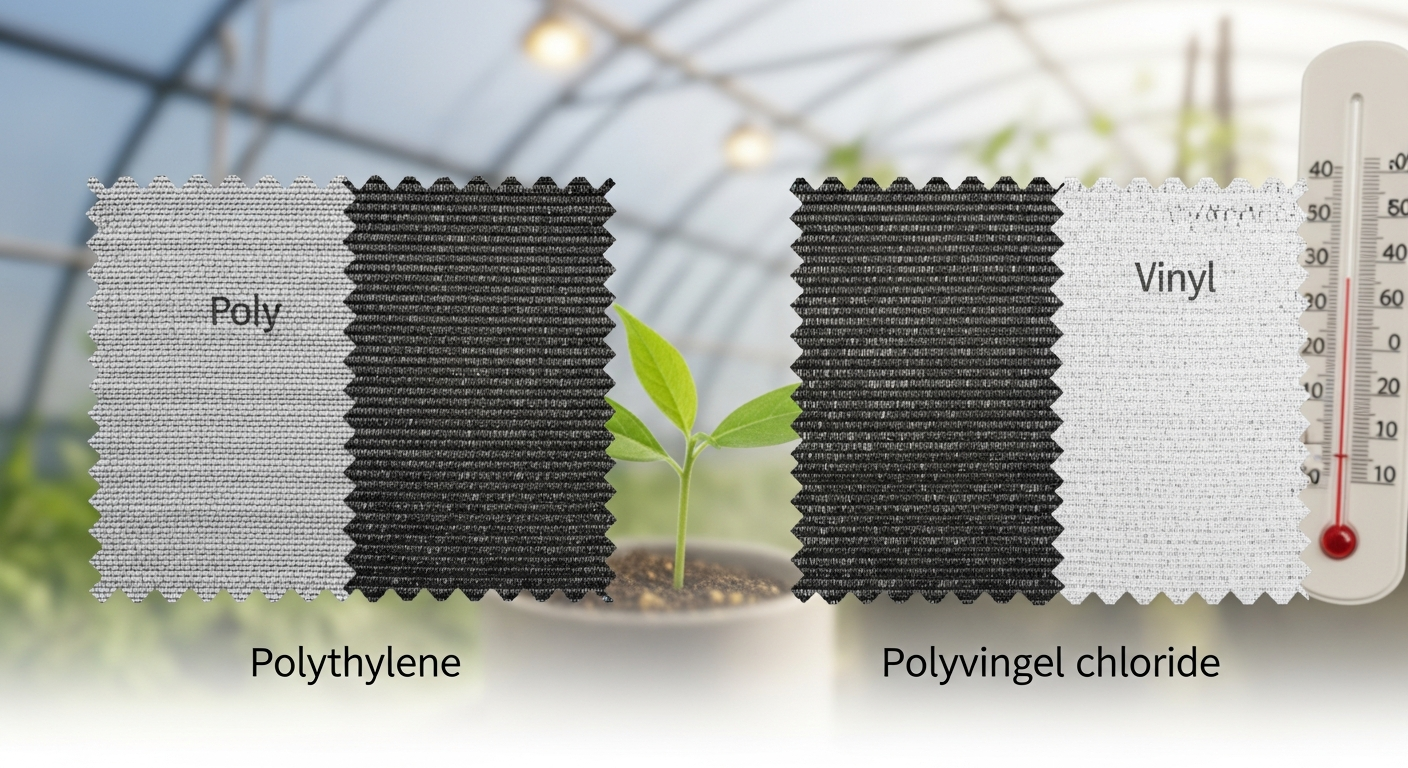
In the world of greenhouse growing, managing light intensity and temperature is paramount for plant health and optimal yields. Too much sun can scorch delicate foliage, elevate temperatures to dangerous levels, and stress plants, leading to stunted growth or even death. This is where greenhouse shade cloth becomes an indispensable tool for climate control. As expert growers, we understand that selecting the right material for your shade cloth is a crucial decision that impacts durability, performance, and ultimately, your bottom line. Two of the most common and debated materials in this category are polyethylene (poly) and polyvinyl chloride (vinyl) shade cloth. Both offer unique benefits and drawbacks, and understanding these differences is key to making an informed choice for your specific growing environment.
Understanding Greenhouse Shade Cloth: Why It Matters
Before diving into the specifics of poly and vinyl, let’s briefly recap the vital role shade cloth plays in a greenhouse environment. Its primary function is to reduce the amount of sunlight entering the greenhouse, thereby lowering internal temperatures and protecting plants from excessive UV radiation. This is particularly important during peak summer months or in regions with intense sun exposure. Different plants have varying light requirements; some thrive in full sun, while others prefer partial shade. Shade cloth allows growers to customize the light environment, preventing sunburn, conserving water by reducing evaporation, and extending the growing season for sensitive crops.
Beyond light and temperature control, shade cloth also helps in:
- Preventing Heat Stress: High temperatures can cause plants to wilt, slow growth, and even lead to reproductive failure.
- Reducing Water Loss: Lower temperatures and reduced solar radiation decrease transpiration rates, meaning plants need less water.
- Protecting Equipment: Prolonged exposure to intense UV light can degrade greenhouse films, plastics, and other equipment over time.
- Enhancing Worker Comfort: A cooler greenhouse is a more comfortable and productive working environment.
The effectiveness of shade cloth hinges on its material properties, including its ability to block UV rays, resist tearing, withstand environmental elements, and its overall lifespan.
Polyethylene Shade Cloth: The Versatile Workhorse
Material Composition and Characteristics
Polyethylene (PE) shade cloth is perhaps the most widely used material in the greenhouse industry, known for its versatility and cost-effectiveness. It is a synthetic polymer, and shade cloths made from it typically come in two main forms:
- Knitted Polyethylene: This is the most common type, made from interwoven strands of UV-stabilized polyethylene yarn. The knitting process creates a fabric that resists unraveling if cut, offers good airflow, and is relatively lightweight.
- Woven Polyethylene: Less common for shade cloth but sometimes used, woven poly is a tighter weave, often laminated. It can be stronger but may have less airflow than knitted versions.
Polyethylene shade cloth is manufactured to various shade percentages, ranging from 30% for light diffusion to 90% for heavy shade, catering to diverse plant needs.
Advantages of Poly Shade Cloth
- Cost-Effective: Generally more affordable than vinyl, making it a popular choice for large-scale operations or growers on a budget.
- Lightweight and Easy to Install: Its lighter weight makes it easier to handle, cut, and install, requiring less robust support structures. This is a significant advantage for DIY growers.
- Excellent Airflow (Knitted): The knitted construction allows for superior air circulation, which helps prevent heat buildup and can reduce humidity within the greenhouse, mitigating disease risk.
- UV Stabilization: Most quality polyethylene shade cloths are treated with UV stabilizers to protect the material itself from degradation due to sun exposure, extending its lifespan.
- Resistant to Most Chemicals: Polyethylene is largely inert to common agricultural chemicals and fertilizers.
- Versatility: Available in a wide range of shade percentages to suit various crops and climates.
Disadvantages of Poly Shade Cloth
- Moderate Durability: While UV-stabilized, polyethylene can be more susceptible to tears or punctures than vinyl, especially if not handled carefully or exposed to sharp objects. Its lifespan is typically 5-10 years, depending on quality and climate.
- Can Sag: Over time, especially in high winds or if not properly tensioned, polyethylene can stretch and sag, potentially reducing its effectiveness and aesthetics.
- Less Rigid: The flexible nature means it might flap more in strong winds if not securely fastened.
Vinyl Shade Cloth: The Robust and Durable Option
Material Composition and Characteristics
Vinyl shade cloth, often referred to as PVC (polyvinyl chloride) shade cloth, typically consists of a polyester fabric base coated or laminated with PVC. This combination creates a much heavier, more rigid, and exceptionally durable material. The PVC coating is what gives it its characteristic smooth or slightly textured surface and its significant resistance properties.
Like polyethylene, vinyl shade cloth is available in various shade percentages, but its heavier construction often means it’s used where maximum durability and longevity are priorities.
Advantages of Vinyl Shade Cloth
- Exceptional Durability and Tear Resistance: The PVC coating provides superior resistance to tearing, abrasion, and punctures, making it ideal for harsh environments or situations where it might experience more wear and tear.
- Longer Lifespan: High-quality vinyl shade cloth can last significantly longer than polyethylene, often 10-15 years or more, representing a good long-term investment.
- Less Prone to Sagging: Its inherent rigidity means vinyl shade cloth maintains its shape better over time, even under tension, resulting in a neater appearance and consistent shade.
- Excellent UV and Weather Resistance: The PVC coating offers outstanding protection against UV degradation, extreme temperatures, and other weather elements, performing reliably in diverse climates.
- Easier to Clean: The smooth, coated surface of vinyl often makes it easier to clean dirt, dust, and algae, helping maintain its shade efficiency and appearance.
- Can Be Flame Retardant: Some vinyl shade cloths are formulated to be flame retardant, a crucial safety feature for certain commercial operations.
Disadvantages of Vinyl Shade Cloth
- Higher Initial Cost: The premium quality and extended lifespan come with a higher upfront price tag compared to polyethylene.
- Heavier and More Challenging Installation: Its substantial weight can make installation more difficult, potentially requiring more robust support structures and specialized equipment for larger areas.
- Reduced Airflow (Depending on Weave): While durable, the denser construction of some vinyl shade cloths can sometimes limit airflow more than knitted polyethylene, potentially requiring better ventilation systems.
- Environmental Concerns: The production and disposal of PVC materials can raise environmental concerns due to the chemicals involved, although recycling efforts are improving.
- Can Become Brittle in Extreme Cold: While generally very weather resistant, in extremely cold conditions over very long periods, some PVC formulations can become somewhat brittle, though this is rare with modern shade cloth.
Poly vs. Vinyl: A Direct Comparison for Greenhouse Growers
Choosing between polyethylene and vinyl shade cloth boils down to weighing their respective strengths against your specific needs, budget, and environmental conditions. Here’s a direct comparison:
Durability and Lifespan
Winner: Vinyl. With its superior tear resistance and robust construction, vinyl typically offers a longer lifespan (10-15+ years) compared to polyethylene (5-10 years). If longevity and resistance to physical damage are your top priorities, vinyl is the clear choice.
Cost-Effectiveness
Winner: Polyethylene (initial cost), Vinyl (long-term value). Polyethylene has a lower initial purchase price, making it more budget-friendly upfront. However, considering its extended lifespan and reduced need for replacement, vinyl can prove to be more cost-effective in the long run, especially for permanent installations.
Light Reduction and UV Protection
Tie. Both materials are highly effective at reducing light intensity and blocking harmful UV radiation. The key factor here is the chosen shade percentage, which is available across both material types, rather than the material itself. Always select the appropriate shade percentage for your specific crops.
Installation and Maintenance
Polyethylene is easier to install. Its lightweight nature makes handling and positioning simpler, reducing labor and potentially infrastructure costs. Vinyl, being heavier, requires more effort and potentially stronger support. For maintenance, vinyl’s smoother surface often makes it easier to clean, while poly’s knitted structure can sometimes trap more dust.
Environmental Considerations
Polyethylene generally has fewer environmental concerns. While both are plastics, polyethylene (especially knitted versions) is often considered more environmentally friendly due to its simpler production process and potential for recycling. PVC production and disposal have historically raised more questions, though modern manufacturing is addressing these.
Best Applications
- Choose Polyethylene if:
- You have a tighter budget or are setting up a temporary structure.
- You prioritize ease of installation and a lightweight solution.
- You need maximum airflow within the greenhouse.
- You anticipate needing to adjust or move the shade cloth frequently.
- Choose Vinyl if:
- You require maximum durability and a very long-term solution.
- Your greenhouse is in an area prone to extreme weather (high winds, heavy hail).
- You need a shade cloth that resists tearing and abrasion exceptionally well.
- The initial investment is less of a concern than minimizing future replacements and maintenance.
- Safety features like flame retardancy are important.
Conclusion
The choice between polyethylene and vinyl shade cloth for your greenhouse ultimately hinges on a careful assessment of your specific growing conditions, budget, and long-term goals. Polyethylene offers an accessible, lightweight, and breathable solution, perfect for many growers seeking good performance at an economical price. Vinyl, on the other hand, provides unparalleled durability, longevity, and resistance to the harshest elements, making it an excellent investment for permanent structures and demanding environments.
Consider your local climate, the type of plants you cultivate, the expected lifespan of your greenhouse, and the resources you have for installation and maintenance. By understanding the distinct characteristics of both polyethylene and vinyl shade cloth materials, you can make an informed decision that ensures optimal greenhouse climate control, protects your valuable crops, and contributes to a thriving growing season year after year.