
For enthusiasts cultivating orchids and a diverse array of tropical plants, providing the right amount of light is paramount for their health and spectacular blooms. While many of these plants thrive in warm, humid environments, they often originate from the understory of lush rainforests, protected from the harsh glare of direct sunlight by a dense canopy. Replicating this delicate balance in a greenhouse setting or even outdoors requires careful consideration, and that’s where shade cloth becomes an indispensable tool. Choosing the correct shade cloth isn’t just about blocking light; it’s about creating an optimal microclimate that encourages vigorous growth, vibrant foliage, and prolific flowering without the risk of dreaded leaf scorch. This guide will walk you through everything you need to know to select the perfect shade cloth for your precious orchids and tropical plant collection.
Understanding the Unique Light Needs of Orchids and Tropicals
Before you can select the right shade cloth, you must first understand the specific light requirements of your plants. Tropical plants, by nature, are incredibly diverse, and their light preferences can vary dramatically.
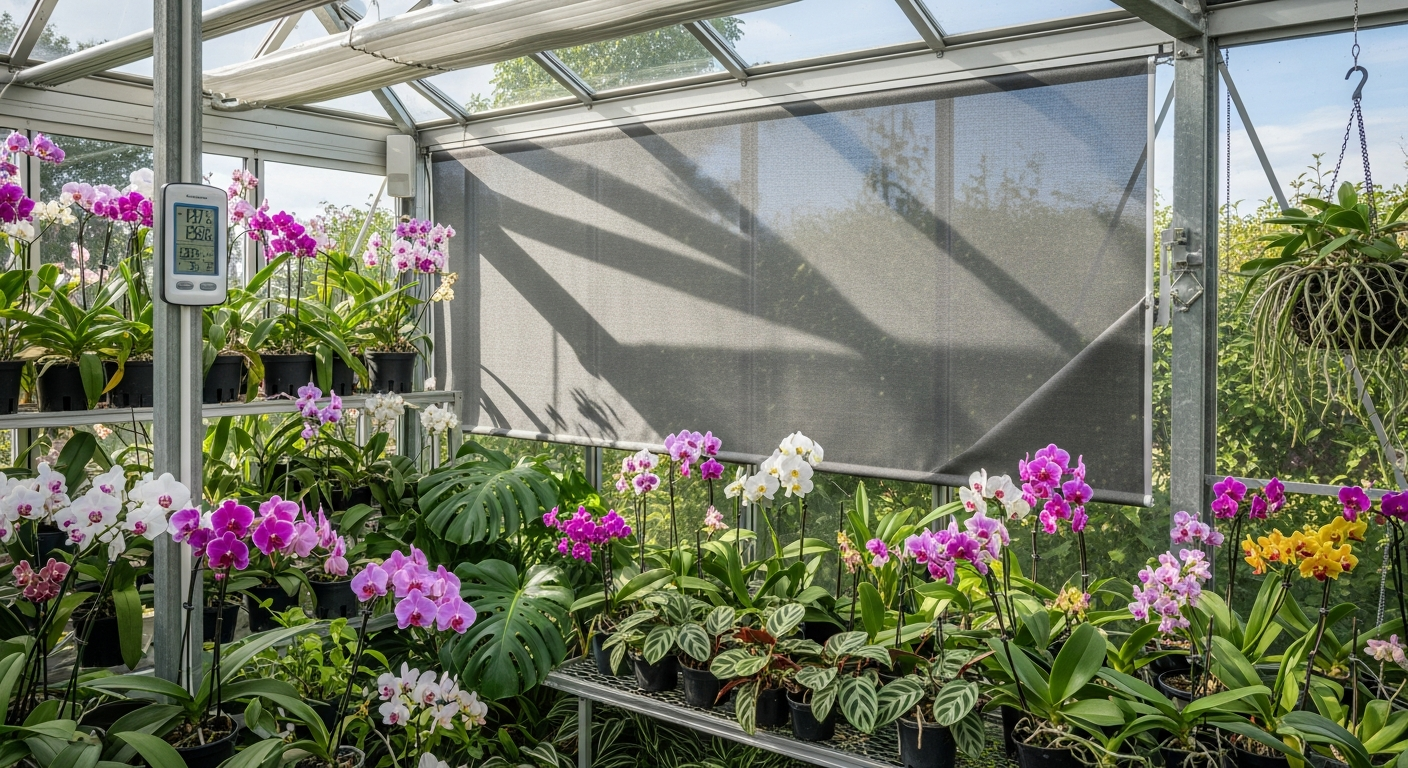
Orchids: A Spectrum of Light Lovers
- Low Light Orchids: Species like Phalaenopsis (Moth Orchids) and Paphiopedilum (Slipper Orchids) prefer dimmer, diffused light. In their natural habitat, they grow under dense canopy. Too much direct sun can quickly burn their leaves.
- Medium Light Orchids: Many popular varieties, including most Cattleya, Oncidium, and Miltonia orchids, fall into this category. They appreciate bright, indirect light for several hours a day but still need protection from intense midday sun.
- High Light Orchids: Vanda and some Dendrobium species require very bright conditions, often tolerating or even thriving in periods of direct morning or late afternoon sun. However, even these can suffer from scorching during peak midday intensity, especially in warmer climates.
Tropical Plants: From Understory to Sun-Drenched
Tropical plants encompass a vast range, from shade-loving aroids to sun-worshipping palms.
- Shade-Loving Tropicals: Many popular houseplants like Monstera, Philodendron, Calathea, and various ferns thrive in bright, indirect light, mimicking their forest floor origins. They are highly susceptible to leaf damage from direct sun.
- Medium Light Tropicals: Bromeliads, many foliage plants like Crotons, and some larger aroids appreciate bright, filtered light. They need more light than the deep shade lovers but still benefit from protection during the strongest parts of the day.
- High Light Tropicals: Certain hibiscus, bougainvillea, and some palms can handle significant amounts of direct sunlight, especially if they are well-acclimated. However, even these can benefit from a slight reduction in intensity in extreme heat to prevent stress and maintain humidity.
Observing your plants is key. Light green or yellowish leaves on an otherwise green plant can indicate too much light, while dark green leaves with leggy growth or lack of flowering suggest too little light. Healthy leaves should be a vibrant, medium green.
Key Considerations When Choosing Shade Cloth
Selecting the right shade cloth involves more than just picking a color. Several factors contribute to its effectiveness and durability.
Shade Percentage: The Most Critical Factor
Shade percentage refers to the amount of sunlight the cloth blocks. It’s usually expressed as a percentage (e.g., 30%, 50%, 70%).
- 30-40% Shade: Ideal for high-light orchids (Vanda, some Dendrobiums) and many sun-loving tropicals (Hibiscus, Bougainvillea) during peak summer months or in very hot climates. It provides a gentle reduction in intensity while allowing ample light for photosynthesis.
- 50-60% Shade: The most common and versatile choice for a mixed collection of medium-to-high light orchids (Cattleya, Oncidium) and many general tropical foliage plants (Monstera, larger Philodendron, Bromeliads). This range offers a good balance, protecting from scorching while ensuring sufficient light for robust growth and flowering.
- 70-80% Shade: Best suited for low-light orchids (Phalaenopsis, Paphiopedilum) and delicate shade-loving tropicals (Calathea, many ferns, young plants). This higher percentage effectively mimics deep forest shade, preventing leaf damage and supporting sensitive species.
Expert Tip: When in doubt, it’s often safer to start with a slightly lower shade percentage and monitor your plants. You can always add a second layer or move to a higher percentage if you observe signs of stress or scorching.
Material, Color, and Durability
The material and color of your shade cloth also play a role in its effectiveness and lifespan.
- Material: Most shade cloths are made from knitted polyethylene (HDPE) or woven polypropylene.
- Knitted shade cloth is more common. It’s lightweight, resistant to tearing (if a hole occurs, it won’t unravel), and allows hot air to escape more easily. It’s generally preferred for greenhouses.
- Woven shade cloth is heavier and typically lasts longer, but a tear can unravel. It’s often used for outdoor applications like patio covers.
Look for materials that are UV stabilized to prevent degradation from sun exposure, which significantly extends their lifespan (typically 5-10 years).
- Color:
- Black is the most common color. It provides maximum shade and absorbs heat. While effective, it can make the area underneath feel slightly warmer.
- Green offers similar benefits to black but can appear more aesthetically pleasing in a garden setting.
- White or Silver (often referred to as ‘reflective’ or ‘aluminized’ shade cloth) reflects sunlight rather than absorbing it. This can result in a cooler environment beneath the cloth, which is highly beneficial in extremely hot climates for reducing greenhouse temperatures and preventing heat stress for your plants. It also diffuses light more evenly, which is excellent for sensitive plants.
For most greenhouse applications with orchids and tropicals, black or green is usually sufficient, but reflective cloth is an excellent choice for superior heat reduction.
Installation Method and Location
How and where you install your shade cloth is just as important as the cloth itself.
- Greenhouse Installation: Shade cloth can be installed either on the exterior or interior of the greenhouse.
- Exterior installation is generally more effective at reducing heat because it blocks the sun’s rays before they penetrate the glazing. It requires a robust support system to withstand wind.
- Interior installation is easier to manage, allowing you to deploy or retract it as needed. However, some heat will already have entered the greenhouse before being blocked.
- Outdoor Installation: For plants grown outdoors or under a patio, the shade cloth needs to be suspended over the plants, ensuring good airflow. Use sturdy poles, wires, or frames.
- Grommets and Clips: Ensure the shade cloth has reinforced edges and grommets for easy and secure attachment. If it doesn’t, consider purchasing shade cloth clips that allow you to customize attachment points without damaging the fabric.
- Seasonal Adjustment: Remember that light intensity changes throughout the year. You may need more shade in summer and less in winter, especially if you rely on natural light for warmth during colder months. Consider a system that allows for easy removal or adjustment.
Matching Shade Cloth to Your Plants and Environment
Bringing it all together means considering your specific collection and local climate.
Assessing Your Specific Needs
- Geographic Location and Climate: A greenhouse in Arizona will likely need a higher shade percentage (e.g., 60-70% or reflective cloth) than one in Seattle (e.g., 30-50%). Consider your average summer temperatures and the intensity of solar radiation.
- Greenhouse Glazing: The type of glazing you have (e.g., polycarbonate, glass, film) affects how much light reaches your plants. Some glazings inherently diffuse light or have a slight tint, which might reduce your overall shade cloth needs.
- Mixed Collections: If you have a diverse collection with varying light needs, you might need to use different shade percentages in different sections of your greenhouse or consider plants with similar light requirements in one area. For example, a 70% shade cloth for your Phalaenopsis section and a 40% for your Vandas.
- Monitoring Plant Response: This is the most crucial step. Watch your plants closely.
- Signs of too much light: Yellowing leaves, bleached patches, red or purple discoloration (especially on orchids), hardened or stunted growth, crispy leaf edges, reluctance to bloom.
- Signs of too little light: Dark green, floppy leaves, stretched or leggy growth, lack of flowering, small new growths.
Practical Application Examples
- For a general orchid collection (Cattleyas, Oncidiums, Phalaenopsis): A 50-60% shade cloth is often a good starting point for the main growing area. You can then supplement with an additional layer of lower percentage shade cloth (e.g., another 30%) or place more sensitive plants under benches or behind taller, hardier plants to provide localized extra shade.
- For aroid enthusiasts (Monstera, Philodendron, Alocasia): A 50-70% shade cloth will protect their delicate leaves from scorching while providing ample bright, indirect light for lush growth. Consider white or reflective shade cloth in very hot climates to also manage temperature.
- For tropical fruit trees or sun-loving tropicals: A 30-40% shade cloth might be sufficient to break the intensity of midday sun without hindering flowering or fruiting.
Installation and Maintenance for Longevity
Proper installation and care will ensure your shade cloth serves your plants well for many years.
- Secure Installation: Always ensure your shade cloth is securely fastened. High winds can tear poorly attached cloth or even damage greenhouse structures. Use bungee cords, zip ties, or specialized clips with grommets.
- Proper Tension: While it shouldn’t be drum-tight, avoid excessive slack where water can pool, stretching the fabric and potentially tearing it.
- Seasonal Management: If you remove your shade cloth in winter, clean it thoroughly before storing it. Fold or roll it neatly to prevent creases and potential weak points. Store it in a dry, cool place away from rodents.
- Cleaning: Over time, dust, pollen, and algae can accumulate on shade cloth, reducing its effectiveness. Periodically rinse it with a hose, and for tougher grime, a mild soap solution can be used, followed by a thorough rinse.
- Monitor for Damage: Regularly inspect your shade cloth for tears, holes, or signs of UV degradation. Small repairs can often prevent larger issues.
Choosing the right shade cloth is a vital step in mastering greenhouse climate control for your orchids and tropical plants. By understanding their unique light needs, selecting the appropriate shade percentage and material, and installing it correctly, you can create an environment where these magnificent plants will not only survive but thrive, rewarding you with vibrant foliage and breathtaking blooms. Pay attention to your plants, adjust as needed, and enjoy the beauty of your carefully cultivated tropical paradise.