
The sun, giver of life and the driving force behind nearly all photosynthesis, is undeniably a greenhouse grower’s best friend. Yet, like a powerful tool, it demands respect and careful management. Unchecked, the intense solar radiation within an enclosed greenhouse environment can quickly turn from a blessing into a curse, leading to a common and frustrating problem: sunscald. For thriving plants and bountiful harvests, understanding and implementing effective shading strategies is not just good practice—it’s essential greenhouse management. Let’s delve into how you can protect your precious plants from sunscald and maintain optimal growing conditions with smart shading solutions.
Understanding Sunscald: More Than Just a Plant Sunburn
Often described as a plant’s version of a sunburn, sunscald is a physiological disorder caused by excessive exposure to high light intensity, especially when coupled with high temperatures. This condition damages plant tissues, primarily leaves and fruits, leading to irreversible cell death. In a greenhouse, the effect of the sun’s rays is amplified, creating an environment where sunscald can quickly become a widespread issue if not addressed.
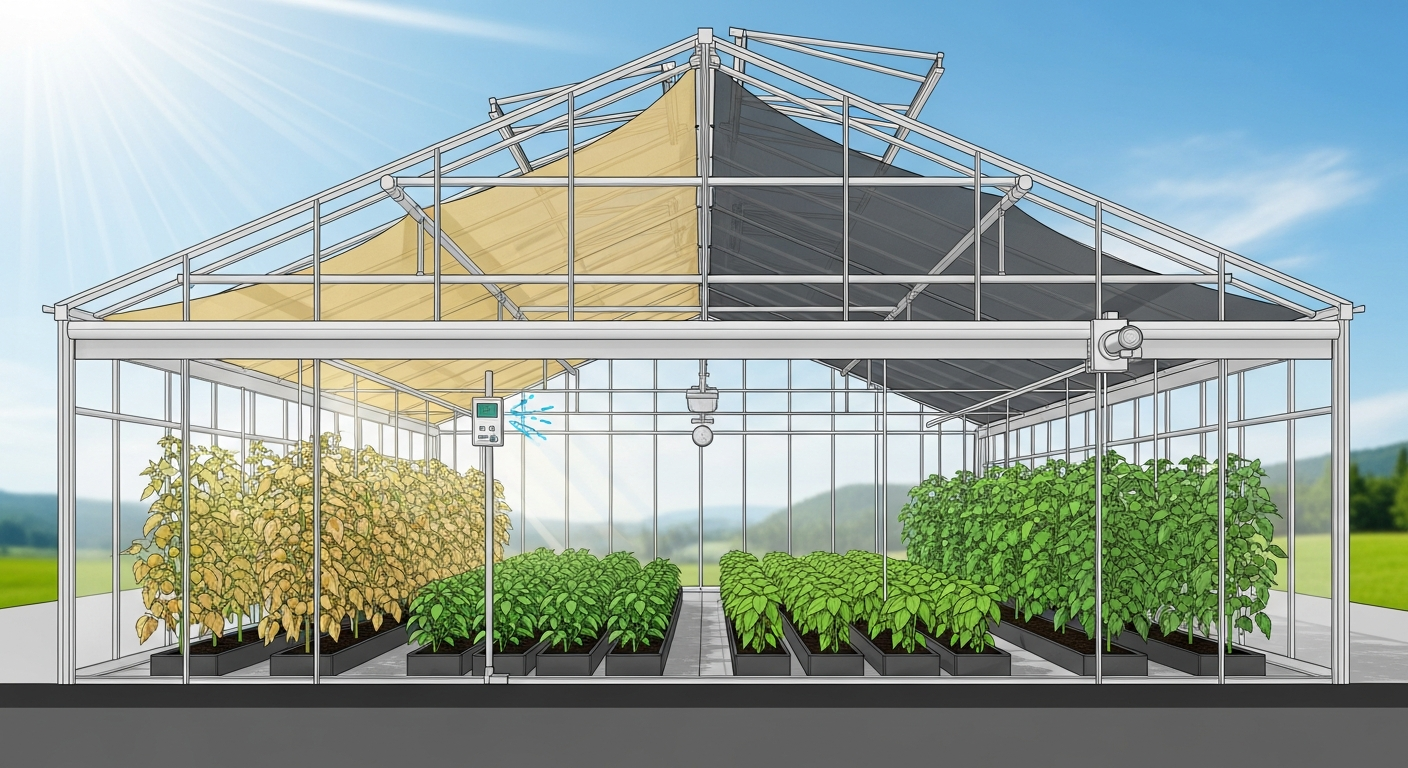
The symptoms of sunscald typically begin with a bleaching or yellowing of the affected tissue, often on the side directly exposed to the sun. This can progress to white, brown, or black leathery patches. On fruits like tomatoes and peppers, these areas become flat, sunken, and discolored, significantly reducing crop quality and yield. Young seedlings, tender leafy greens, and plants recently moved from a lower light environment (such as a propagation area) are particularly vulnerable. Even established plants can suffer during sudden spikes in light intensity or extreme heat waves.
Preventing sunscald is crucial not only for the aesthetic appeal of your plants but, more importantly, for their overall plant health and productivity. Damaged tissue cannot photosynthesize effectively, stressing the plant and making it more susceptible to pests and diseases.
The Science Behind Shading: Balancing Light and Temperature
Shading is not just about blocking light; it’s a sophisticated method of environmental control that directly impacts a plant’s microclimate. When sunlight enters a greenhouse, it brings both visible light (necessary for photosynthesis) and invisible radiation, including ultraviolet (UV) and infrared (IR) light, which contributes significantly to heat buildup.
The primary role of shading is to reduce the overall light intensity reaching your plants. By doing so, it mitigates the potential for photoinhibition, a state where excessive light overwhelms the plant’s photosynthetic machinery, leading to damage. Furthermore, shading dramatically lowers the internal temperature of the greenhouse by reflecting or absorbing a portion of the solar radiation, particularly the heat-generating infrared spectrum. This reduction in temperature directly alleviates heat stress, which often exacerbates sunscald symptoms.
However, successful shading requires a delicate balance. Too much shade can lead to leggy growth, reduced flowering, and lower fruit production, as plants aren’t receiving enough light for optimal photosynthesis. The goal is to provide enough protection to prevent sunscald and maintain comfortable temperatures without significantly hindering growth. This balance is key to creating optimal growing conditions.
Choosing the Right Shade Solution for Your Greenhouse
Several effective shading solutions are available, each with its own advantages and considerations. The best choice for your greenhouse will depend on your specific needs, plant types, climate, and budget.
Shade Cloth
Shade cloth is arguably the most common and versatile shading material used in greenhouses. It’s typically made from woven or knitted polyethylene, designed to block a specific percentage of sunlight.
- Shade Percentage: Shade cloth is rated by the percentage of light it blocks. Common percentages include 30%, 40%, 50%, 60%, and 70%.
- 30-40% Shade: Ideal for crops that prefer bright light but need some protection during peak summer, or in less intense climates. Good for fruiting vegetables like tomatoes and peppers.
- 50-60% Shade: Suitable for a wider range of crops, including many ornamentals, leafy greens, and plants that are more susceptible to sunscald. This is a good general-purpose choice for many greenhouse operations.
- 70% Shade or Higher: Reserved for shade-loving plants, propagation areas, or extremely hot climates where maximum protection from UV radiation and heat is paramount.
- Material and Durability: Look for UV-stabilized materials to ensure longevity. Knitted shade cloth resists unraveling if cut, while woven options are generally more robust.
- Installation: Shade cloth can be installed externally (over the greenhouse roof and sides) or internally (suspended inside). External installation is generally more effective at preventing heat buildup inside the greenhouse, as it reflects the sun’s energy before it penetrates the structure. Internal shading provides good light reduction but allows heat to enter the greenhouse first.
Shading Compounds and Paints
These are temporary, white coatings applied directly to the exterior of the greenhouse glazing (glass or polycarbonate). They work by reflecting sunlight away from the structure.
- Application: Shading compounds are typically diluted with water and sprayed or rolled onto the greenhouse roof. The concentration can be adjusted to achieve the desired level of shading.
- Benefits: They offer a cost-effective solution, are easy to apply, and can be washed off at the end of the season or allowed to weather off naturally. This allows for seasonal adjustment, providing protection in summer and maximizing light in winter.
- Considerations: Application can be labor-intensive for large greenhouses, and achieving an even coat can sometimes be challenging.
Automated Shading Systems
For larger commercial operations or those seeking precision and convenience, automated shading systems are an excellent investment. These systems often consist of retractable screens or louvered panels that are controlled by sensors, adjusting automatically based on light intensity, temperature, or a programmed schedule.
- Benefits: Provide precise environmental control, optimize light conditions throughout the day, reduce labor, and adapt quickly to changing weather patterns.
- Considerations: Higher initial cost compared to manual systems.
Practical Tips for Implementing Effective Shading
Once you’ve chosen your shading solution, proper implementation and ongoing management are key to maximizing its benefits and ensuring the health of your greenhouse plants.
- Assess Your Plants’ Needs: Different plants have different light requirements. Research the specific needs of your crops. Observe your plants for signs of stress; drooping leaves, bleached spots, or stunted growth can all indicate too much or too little light. A light meter can provide objective data on light intensity.
- Harden Off New Plants: Before introducing young or new plants to a high-light greenhouse environment, always “harden them off.” This gradual acclimatization process prepares plants for increased light, temperature fluctuations, and stronger air currents, significantly reducing their susceptibility to sunscald.
- Prioritize Exterior Shading: Whenever possible, install shade cloth or apply shading compounds to the exterior of your greenhouse. This prevents solar radiation from entering the structure and converting into heat, which is then trapped inside. Exterior shading is a more proactive approach to temperature regulation.
- Adjust Seasonally: Shading requirements change with the seasons. You’ll likely need more aggressive shading during the intense summer months and potentially no shading during the darker winter months. Removing or adjusting shade cloth allows your plants to benefit from maximum available light when days are shorter.
- Combine with Other Greenhouse Management Strategies: Shading is just one component of effective environmental control.
- Ventilation: Ensure adequate ventilation through fans, roof vents, and side vents to exhaust hot air and prevent heat buildup, even with shading in place.
- Air Circulation: Internal circulation fans help distribute air evenly, reducing hot spots and improving overall plant health.
- Humidity Control: Misting systems or strategic watering can increase humidity, which can help cool plants through evaporative cooling and reduce transpiration stress.
- Adequate Watering: Plants under intense light and heat will transpire more. Ensure consistent and sufficient watering to keep them hydrated and resilient.
- Monitor and Adjust: Greenhouse growing is dynamic. Regularly monitor your plants’ health, internal temperatures, and light levels. Be prepared to adjust your shading as the weather changes, plants grow, or seasons shift. Proactive sunscald prevention is always better than reacting to damage.
Conclusion
Sunscald is a significant threat to greenhouse plants, but it’s a completely preventable one. By understanding the causes and implementing effective shading strategies, you can transform your greenhouse into a sanctuary where plants thrive, even under the most intense sun. Whether you opt for versatile shade cloth, temporary shading compounds, or sophisticated automated systems, the investment in plant protection will pay dividends in healthier plants, increased yields, and a more enjoyable growing experience. Embrace smart shading, and watch your greenhouse plants flourish under perfectly balanced light and temperature conditions.