
Imagine stepping into your greenhouse, a haven of lush greenery thriving regardless of the weather outside. This idyllic vision isn’t just a gardener’s dream; it’s an achievable reality, largely dependent on one critical factor: temperature. The air within your greenhouse is the lifeblood of your plants, influencing everything from photosynthesis and nutrient uptake to flowering and fruiting. Achieving the optimal greenhouse temperature is not merely about keeping plants warm or cool; it’s about crafting a perfectly balanced microclimate that caters precisely to their needs, unlocking their full growth potential. This comprehensive guide will delve into the intricacies of greenhouse temperature management, offering expert insights and actionable strategies to transform your greenhouse into a thriving botanical paradise.
The Science Behind Optimal Greenhouse Temperature
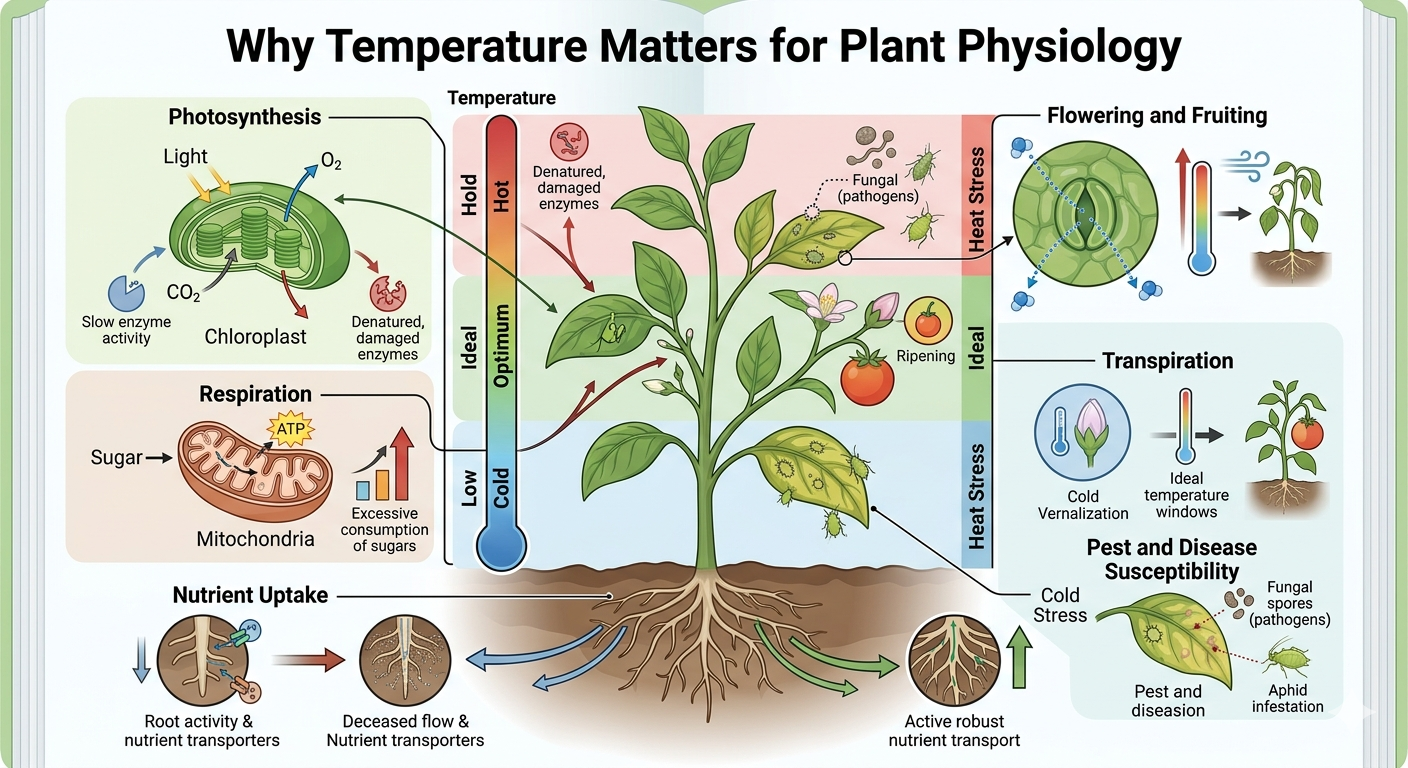
Understanding the fundamental biological processes influenced by temperature is the first step towards mastering your greenhouse environment. Plants are highly sensitive to thermal fluctuations, and maintaining a stable, ideal range is paramount for their health and productivity. When we talk about optimal greenhouse temperature, we’re not just referring to a single number, but a dynamic range that supports complex physiological functions.
Why Temperature Matters for Plant Physiology
Temperature plays a pivotal role in nearly every metabolic process within a plant. Photosynthesis, the process by which plants convert light energy into chemical energy, is highly temperature-dependent. Enzymes responsible for this conversion have specific temperature optima; too cold, and their activity slows dramatically; too hot, and they can denature, leading to irreversible damage. Respiration, the process of converting sugars into energy for growth, also increases with temperature. While necessary, excessive respiration can consume more energy than photosynthesis produces, leading to stunted growth. Beyond these core functions, temperature influences:
- Nutrient Uptake: Root activity, and thus nutrient absorption, is directly affected by soil and air temperature.
- Transpiration: The movement of water through a plant and its evaporation from aerial parts is heavily influenced by temperature, humidity, and air movement.
- Flowering and Fruiting: Many plants require specific temperature cues for flower initiation, fruit set, and ripening.
- Pest and Disease Susceptibility: Extreme temperatures can stress plants, making them more vulnerable to pathogens and insect infestations.
Understanding Diurnal Temperature Variation (DIF)
One of the most sophisticated aspects of greenhouse temperature control is managing the diurnal temperature variation, often referred to as DIF. DIF is the difference between the average daytime temperature and the average nighttime temperature. It’s not just the absolute temperature, but the relationship between day and night temperatures, that significantly impacts plant growth and morphology. For many plants, a positive DIF (day temperature higher than night temperature) promotes normal, healthy growth. However, a negative DIF (night temperature higher than day temperature) can be intentionally used by some commercial growers to suppress stem elongation, resulting in more compact plants, which is desirable for certain ornamental crops. Conversely, a zero DIF (day and night temperatures are similar) might be suitable for some specific crops or propagation stages. Understanding and manipulating DIF allows growers to fine-tune plant development, influencing stem length, leaf expansion, and even the timing of flowering.
Practical Tip: Monitor both your daytime and nighttime greenhouse temperatures diligently. Many digital thermometers record minimum and maximum temperatures, making DIF calculations easier. Experiment with small adjustments to see how your specific plants respond to different DIF strategies.
Root Zone vs. Air Temperature
While air temperature is what we most commonly measure and adjust, the temperature of the root zone is equally, if not more, critical for plant health. Roots are responsible for water and nutrient absorption, and their activity is highly sensitive to temperature. Cold soil can dramatically slow down root metabolism, even if the air temperature is ideal, leading to nutrient deficiencies and stunted growth. Conversely, excessively hot soil can damage roots and inhibit water uptake. The ideal greenhouse temperature for roots often falls within a narrower range than for the aerial parts of the plant. Raised beds, heating mats, or soil heating cables can be employed to maintain optimal root zone temperatures, especially during cooler months or for delicate seedlings.
Actionable Advice: Use a soil thermometer to monitor root zone temperatures, especially for sensitive crops or during germination. For propagation, heating mats are indispensable for providing consistent bottom heat, promoting faster and more uniform germination and rooting.
The Role of Humidity in Temperature Management
Humidity is intrinsically linked to temperature and plays a crucial role in plant transpiration and overall health within the greenhouse. As air temperature rises, its capacity to hold moisture increases. If humidity levels are too low at high temperatures, plants can transpire excessively, leading to wilting and stress. Conversely, high humidity, especially at cooler temperatures, can create an environment conducive to fungal diseases. Maintaining the right balance is key. High humidity can also make a hot greenhouse feel even hotter to plants by reducing evaporative cooling from their leaves. Therefore, effective greenhouse temperature control must always consider humidity management as an integral component.
Practical Tip: Invest in a hygrometer to measure humidity levels alongside temperature. Misting systems, dampening down floors, or using humidifiers can increase humidity, while ventilation and dehumidifiers can reduce it.
Identifying Ideal Temperatures for Different Plants
There is no universal “optimal greenhouse temperature” that suits all plants. Every species has evolved under specific climatic conditions, and successful greenhouse growing means mimicking these conditions as closely as possible. Grouping plants by their thermal preferences is essential for effective temperature management greenhouse strategies.
Warm-Season Crops
These are the sun-lovers, thriving in conditions reminiscent of summer heat. They typically originate from tropical or subtropical regions and require consistent warmth to flourish.
- Tomatoes: Prefer daytime temperatures between 70-85°F (21-29°C) and nighttime temperatures around 60-68°F (16-20°C). Temperatures below 55°F (13°C) can inhibit fruit set, while consistently above 90°F (32°C) can also cause issues like flower drop and poor pollination.
- Peppers: Similar to tomatoes, they thrive in 70-85°F (21-29°C) during the day and 60-70°F (16-21°C) at night. They are very sensitive to cold.
- Cucumbers: Need warm conditions, ideally 75-85°F (24-29°C) during the day and no lower than 65°F (18°C) at night. High humidity is also beneficial.
- Eggplants, Melons, Okra: These crops also fall into the warm-season category, requiring similar temperature ranges for optimal growth and fruit production.
Actionable Advice: For these crops, prioritize robust heating in cooler months and effective cooling and ventilation during hot spells to prevent heat stress.
Cool-Season Crops
These plants prefer more moderate temperatures and can often tolerate light frosts, making them excellent choices for early spring, late fall, or even year-round growing in temperate climates with a controlled greenhouse.
- Lettuce and Leafy Greens (Spinach, Kale, Swiss Chard): Thrive in cooler conditions, ideally 60-70°F (16-21°C) during the day and 45-60°F (7-16°C) at night. High temperatures can cause bolting (going to seed prematurely) and bitterness.
- Broccoli, Cabbage, Cauliflower (Brassicas): Prefer daytime temperatures of 60-75°F (16-24°C) and nighttime temperatures around 50-65°F (10-18°C).
- Peas: Grow best in cool weather, around 60-75°F (16-24°C) during the day and 45-60°F (7-16°C) at night.
- Root Vegetables (Carrots, Radishes, Beets): Generally perform well in similar cool to moderate ranges, although soil temperature is critical for root development.
Practical Tip: Utilize your greenhouse to extend the growing season for cool-season crops. In summer, ensure adequate shading and ventilation to prevent overheating, which can lead to bolting.
Tropical and Subtropical Plants
These exotic beauties often require very specific and stable warm conditions, often with high humidity.
- Orchids: Different species have varied needs, but many popular varieties (e.g., Phalaenopsis) prefer day temperatures of 70-80°F (21-27°C) and night temperatures of 60-68°F (16-20°C). Humidity is often as important as temperature.
- Citrus Trees: While they can tolerate some cooler temperatures, for optimal fruit production, they prefer 70-85°F (21-29°C) during the day and around 55-65°F (13-18°C) at night.
- Exotic Fruits (e.g., Bananas, Passion Fruit): Typically require consistent warmth, often above 70°F (21°C) day and night, with high humidity.
Actionable Advice: These plants often require a more sophisticated level of greenhouse climate control, including dedicated heating, humidifiers, and precise ventilation to prevent cold shock or overheating.
Seed Starting and Propagation
The germination and early seedling stages are often the most sensitive to temperature.
- Germination: Most seeds have an optimal germination temperature range, often higher than the ideal growing temperature for mature plants. Bottom heat, provided by heating mats, is highly effective for rapid and uniform germination, typically aiming for 70-85°F (21-29°C) depending on the seed type.
- Seedlings: Once germinated, most seedlings benefit from slightly cooler temperatures than germination, but still require warmth to establish strong root systems and prevent damping-off disease.
Practical Tip: Always check seed packets for specific germination temperature requirements. For general propagation, aiming for a consistent 70-75°F (21-24°C) with good air circulation is a safe bet for a wide variety of seeds and cuttings.
Mastering Greenhouse Temperature Control: Heating Strategies
Maintaining the optimal greenhouse temperature, especially during colder months or at night, requires thoughtful planning and the right heating solutions. Effective greenhouse heating is a blend of passive measures and active systems.
Passive Heating Techniques
These methods harness natural energy sources and structural elements to retain heat, reducing reliance on active systems and lowering energy costs.
- Thermal Mass: Materials that absorb and store heat during the day and slowly release it at night. This can include dark-colored water barrels (painted black for maximum absorption), large stones, concrete floors, or even specialized thermal storage walls. Placing these elements strategically can significantly stabilize nighttime temperatures.
- Insulation: A well-insulated greenhouse dramatically reduces heat loss. Double-layer polycarbonate, twin-wall or triple-wall glazing, or even bubble wrap insulation on single-pane glass can make a huge difference. Sealing gaps and cracks around doors and vents is also crucial.
- Orientation: Siting your greenhouse to maximize southern exposure allows it to capture maximum solar radiation during the day, contributing to passive heating.
- Earth Berming: Partially burying the sides of the greenhouse into the earth can utilize the stable temperature of the soil as natural insulation.
Practical Tip: Even simple additions like placing dark-colored containers of water along the north wall can provide a surprising amount of nighttime warmth for your plants.
Active Heating Systems
When passive methods aren’t enough, active heating systems become necessary to achieve and maintain the ideal greenhouse temperature. The choice depends on greenhouse size, climate, budget, and fuel availability.
- Electric Heaters:
- Pros: Easy to install, clean, no fumes, good for small greenhouses or supplemental heat.
- Cons: Can be expensive to run, especially for larger spaces.
- Types: Fan heaters (circulate warm air), radiant heaters (provide localized warmth), tube heaters (low-wattage, provide gentle background heat).
- Propane/Natural Gas Heaters:
- Pros: More economical for larger greenhouses than electric, powerful heat output.
- Cons: Require proper ventilation to prevent CO2 buildup (can be harmful to plants and people), need fuel lines or tanks.
- Types: Vented (exhaust fumes outside) or unvented (less common, risk of fumes). Vented is safer for plants.
- Kerosene Heaters:
- Pros: Portable, good for emergency backup heat.
- Cons: Produce fumes, require constant monitoring, high fire risk, can produce ethylene harmful to plants. Generally not recommended for primary heating.
- Boiler Systems (Hydronic Heating):
- Pros: Highly efficient for large commercial greenhouses, provides very even heat through hot water circulating in pipes (under benches, in floors).
- Cons: High initial installation cost, complex system.
- Radiant Floor Heating:
- Pros: Provides excellent root zone heating, very energy efficient for consistent warmth.
- Cons: High installation cost, best implemented during initial construction.
Actionable Advice: Choose a heater that is appropriately sized for your greenhouse. Undersized heaters will struggle to maintain temperature, while oversized ones can be inefficient. Always ensure proper ventilation for combustion heaters.
Thermostats and Smart Control Systems
A heating system is only as good as its control. A reliable thermostat is crucial for maintaining a consistent greenhouse climate control.
- Mechanical Thermostats: Simple, inexpensive, but less precise.
- Digital Thermostats: More accurate, programmable, often feature min/max temperature recording.
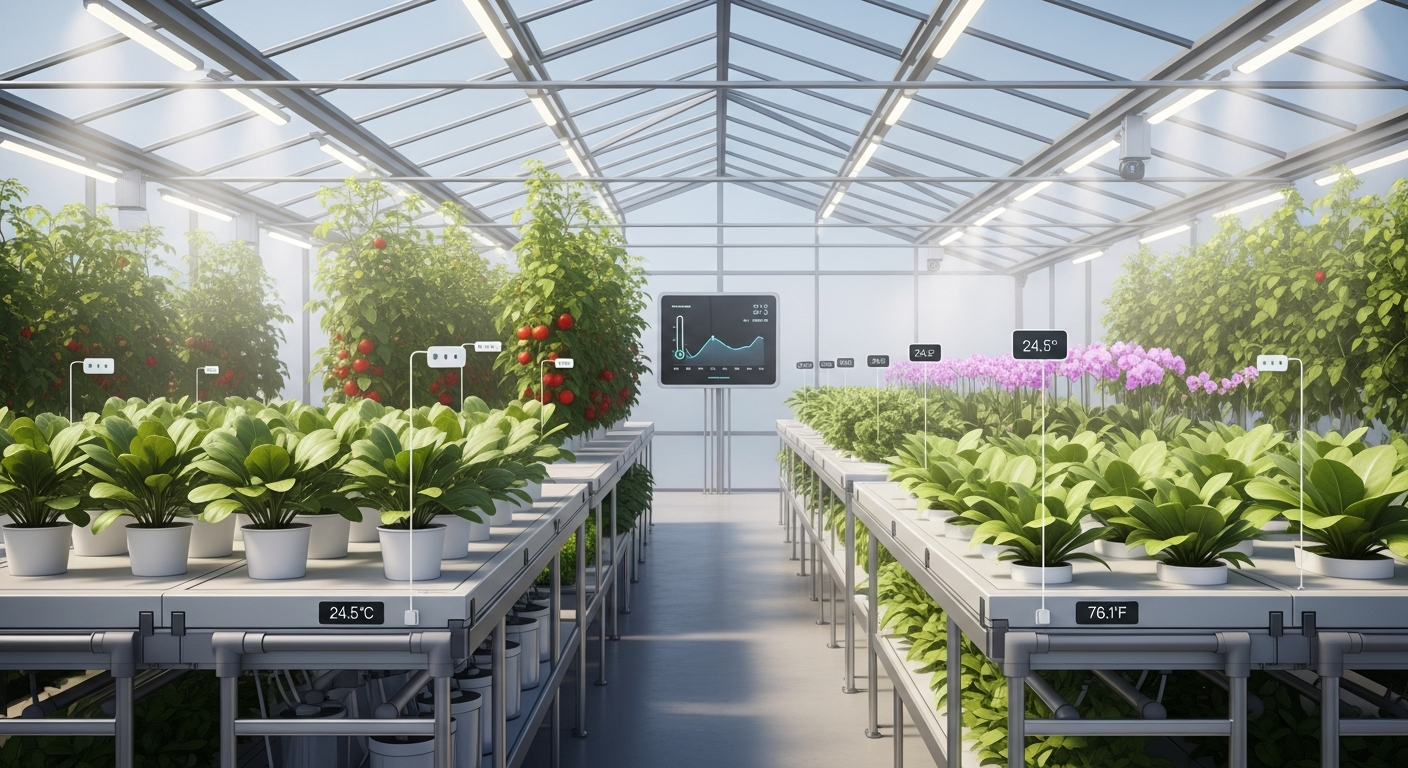
- Smart Greenhouse Controllers: Advanced systems that can manage heating, cooling, ventilation, and even humidity based on programmable settings and real-time sensor data. Many can be controlled remotely via smartphone apps, offering unparalleled temperature management greenhouse capabilities.
Practical Tip: Place your thermostat at plant level, away from direct sunlight or drafts, to get an accurate reading of the temperature your plants are experiencing.
Mastering Greenhouse Temperature Control: Cooling Strategies
Just as important as heating, effective cooling is essential to prevent overheating, especially during intense summer sun or in warmer climates. High temperatures can cause heat stress, wilting, reduced photosynthesis, and flower/fruit drop. Achieving the optimal greenhouse temperature often means more cooling than heating in many regions.
Natural Ventilation
This is the most fundamental and energy-efficient cooling method, relying on the principle that hot air rises.
- Roof Vents: Crucial for allowing hot air to escape at the highest point of the greenhouse. Automated vent openers (wax-cylinder or electric) are highly recommended for consistent temperature regulation without manual intervention.
- Side Vents/Louvers: Allow cooler air to enter at ground level, creating a convection current that pushes hot air out through the roof vents.
- Doors: Opening doors can provide significant airflow, especially if positioned opposite each other for cross-ventilation.
Practical Tip: Maximize natural ventilation by opening vents and doors on both sides and the top of the greenhouse to create a chimney effect. Automated vents are a worthwhile investment for peace of mind.
Forced Ventilation
When natural airflow isn’t sufficient, mechanical fans become necessary to move air through the greenhouse actively.
- Exhaust Fans: These powerful fans are typically placed on one end of the greenhouse to pull hot air out, while intake vents (often louvered) on the opposite end allow cooler air to enter. They are essential for rapidly reducing high temperatures. The sizing of exhaust fans is critical and depends on the volume of air in your greenhouse and how many air changes per minute you need.
- Circulation Fans (HAF – Horizontal Airflow Fans): These fans don’t exchange air with the outside but move air internally, preventing hot spots, equalizing temperature and humidity, and strengthening plant stems. They are a vital component of good greenhouse climate control.
Actionable Advice: Ensure your exhaust fan system is properly sized to provide at least one air change per minute for effective cooling in hot weather. Connect fans to a thermostat for automated operation.
Shading
Blocking direct solar radiation is a highly effective way to prevent excessive heat buildup inside the greenhouse.
- Shade Cloth: Available in various densities (e.g., 30%, 50%, 70%), shade cloth can be draped over the outside of the greenhouse or installed internally. It significantly reduces heat load and prevents scorching of plants. Choose a density appropriate for your climate and the light requirements of your plants.
- Whitewash: A traditional method where a reflective coating (often lime-based) is applied to the outside of the glazing in spring and washed off in autumn. Provides excellent diffuse shading.
- External Roller Blinds: More sophisticated systems that can be automatically deployed or retracted based on light levels or temperature.
Practical Tip: A 50% shade cloth is a good starting point for many general-purpose greenhouses during summer. Remember that some light-loving plants may need less shade, while delicate plants may need more.
Evaporative Cooling Systems
These systems utilize the principle of evaporative cooling (water evaporating absorbs heat from the air) to dramatically lower temperatures, especially in dry climates.
- Pad-and-Fan Systems (Swamp Coolers): A highly effective method for larger greenhouses. Water is pumped over porous pads on one side of the greenhouse, and exhaust fans on the opposite side pull air through the wet pads. As water evaporates, it cools the incoming air, lowering the overall temperature inside.
- Misting Systems: Fine nozzles spray a very fine mist into the air, which rapidly evaporates and cools the greenhouse. Also helps increase humidity, which can be beneficial for tropical plants.
Actionable Advice: Evaporative cooling works best in low-humidity environments. In high-humidity areas, it may increase humidity to problematic levels without significant cooling benefit.
Watering and Humidity Management for Cooling
Strategic watering can also contribute to cooling and managing the immediate plant environment.
- Dampening Down: Hosing down paths and bare soil areas within the greenhouse can create evaporative cooling, lowering ambient temperature and raising humidity temporarily.
- Proper Watering: Ensuring plants are adequately watered prevents them from wilting due to heat stress. However, avoid overwatering, especially in cooler periods, as this can lead to root rot.
Practical Tip: Combine cooling strategies. For example, use shading to reduce initial heat gain, then employ natural or forced ventilation, and consider misting on very hot, dry days.
Monitoring and Maintenance for Consistent Climate
Achieving the optimal greenhouse temperature is an ongoing process, not a one-time setup. Continuous monitoring, regular maintenance, and seasonal adjustments are crucial for long-term success and healthy plant growth.
Thermometers and Sensors
Accurate temperature measurement is the foundation of effective greenhouse temperature control.
- Analog Thermometers: Simple and inexpensive, but may not be as precise or provide min/max readings.
- Digital Thermometers: Offer greater accuracy, often with remote sensors, and frequently include min/max temperature memory, which is invaluable for tracking DIF and identifying temperature extremes.
- Soil Thermometers: Essential for monitoring root zone temperatures, especially for seedlings or heat-loving plants.
- Hygrometers: Measure humidity, an often-overlooked but critical factor in the greenhouse environment. Combined temperature/humidity sensors are widely available.
- Remote Sensors/Wireless Systems: Allow you to monitor conditions from outside the greenhouse or even from a distance via smartphone apps, providing peace of mind.
Practical Tip: Place multiple thermometers at different heights and locations within the greenhouse to identify any hot or cold spots. Always have one at plant level.
Automated Systems and Alarms
For more sophisticated greenhouse climate control, automation is key.
- Thermostat-Controlled Devices: Heaters, fans, and evaporative coolers should ideally be connected to thermostats for automatic activation and deactivation, ensuring consistent temperatures without constant manual intervention.
- Automated Vent Openers: Wax-cylinder openers respond to temperature changes, slowly opening and closing vents. Electric openers can be integrated into smart systems.
- High/Low Temperature Alarms: Critical for protecting plants from extreme conditions. These systems can notify you via text, email, or a local audible alarm if temperatures stray outside your set parameters, allowing for timely intervention.
Actionable Advice: Invest in automated systems as your budget allows. They not only save time but also provide superior consistency and protection for your plants, especially during unexpected weather changes or when you’re away.
Regular Checks and Adjustments
Even with automated systems, a watchful eye is irreplaceable.
- Daily Visual Inspection: Observe your plants for signs of stress (wilting, yellowing, scorched leaves), which can indicate temperature or humidity issues.
- Thermostat Calibration: Periodically check if your thermostats are accurate against a known good thermometer.
- Equipment Maintenance: Clean fan blades, check heater vents for obstructions, ensure evaporative pads are clean and free of algae, and lubricate moving parts on vents.
Practical Tip: Keep a greenhouse journal to record daily temperatures (min/max), humidity, and any notable plant responses. This data can help you identify trends and fine-tune your control strategies over time.
Seasonal Adjustments
The optimal greenhouse temperature settings are not static. They must evolve with the seasons.
- Winter: Prioritize heating and insulation. Ensure all seals are tight, and consider supplemental lighting if days are short and dark. Reduce ventilation to conserve heat.
- Spring: As outdoor temperatures rise, gradually reduce heating and increase ventilation. Start deploying shade cloth as the sun strengthens. Monitor for rapid temperature swings.
- Summer: Focus heavily on cooling: maximum ventilation, full use of shade cloth, and evaporative cooling. Ensure plants are well-watered to combat heat stress.
- Autumn: Gradually reduce cooling measures as temperatures drop. Prepare heating systems for winter. You might want to remove shade cloth to maximize available light.
Actionable Advice: Plan your seasonal adjustments in advance. For example, have your shade cloth ready to deploy before the first major heatwave of summer.
Mastering optimal greenhouse temperature is a journey that combines scientific understanding with practical application and ongoing vigilance. It’s about creating a living environment that responds to the dynamic needs of your plants and the ever-changing external climate. By implementing robust heating and cooling strategies, utilizing smart monitoring tools, and committing to regular maintenance, you can transform your greenhouse into a consistently productive and vibrant space, nurturing healthy, thriving plants year-round. The effort invested in precise temperature management will be richly rewarded with bountiful harvests and a flourishing botanical sanctuary.