
In the intricate world of hydroponics, where plants thrive without soil, every environmental factor plays a crucial role in their health and productivity. While light, pH, and nutrient concentration often take center stage, one element frequently underestimated is the temperature of your nutrient solution. For integrated hydroponic setups, where multiple components work in harmony, managing this seemingly simple factor can be the difference between a flourishing garden and a struggling crop. This comprehensive guide will delve into the science, strategies, and essential equipment needed to maintain optimal nutrient solution temperatures, ensuring your plants receive the best possible foundation for robust growth and impressive yields.
Why Nutrient Solution Temperature Matters: The Science Behind Root Health
The root zone is the lifeline of your hydroponic plants, responsible for absorbing water and nutrients. The temperature of the nutrient solution directly impacts several critical biological and chemical processes occurring at these roots, making its management non-negotiable for successful cultivation.
Dissolved Oxygen (DO) Levels
Perhaps the most significant impact of nutrient solution temperature is on the availability of dissolved oxygen (DO). Water’s capacity to hold oxygen decreases as its temperature rises. Roots, like all living tissues, require oxygen for respiration, the process that generates energy for nutrient uptake and growth. When the solution becomes too warm (typically above 75°F or 24°C), DO levels plummet, leading to:
- Anaerobic Conditions: Low oxygen creates an environment where harmful anaerobic bacteria and fungi can thrive, leading to root rot and other diseases.
- Reduced Nutrient Uptake: Without sufficient oxygen, root cells cannot efficiently absorb nutrients, even if they are abundant in the solution. This can manifest as nutrient deficiencies and stunted growth.
- Stressed Plants: Oxygen-deprived roots signal stress throughout the plant, making it more susceptible to pests and diseases.
Nutrient Uptake Efficiency
Beyond oxygen, temperature directly influences the metabolic activity of root cells and the solubility of various nutrients. Enzymes involved in nutrient transport function optimally within a specific temperature range. When the solution is too cold, these enzymatic reactions slow down significantly, inhibiting nutrient absorption. Conversely, excessively warm temperatures can also disrupt enzyme function and alter the solubility of certain minerals, making them less available to the plant.
Pathogen Prevention
Warm, low-oxygen nutrient solutions are a breeding ground for a host of undesirable microorganisms, including pathogenic bacteria and fungi that cause diseases like pythium (root rot). Maintaining a cooler, oxygen-rich solution is one of the most effective preventative measures against these destructive root diseases. A healthy root system, supported by optimal temperatures, develops a stronger natural resistance to invaders.
Water Absorption and Plant Metabolism
Root cells absorb water more efficiently when the nutrient solution is within an ideal temperature range. Extreme temperatures, whether too hot or too cold, can stress the roots, impairing their ability to hydrate the plant. Furthermore, the overall metabolic rate of the plant is intrinsically linked to root health. A happy, healthy root system operating at optimal temperatures translates to vigorous top growth, stronger stems, and more productive fruiting or flowering.
Identifying the Optimal Temperature Range for Your Hydroponic Crops
While the exact ideal temperature can vary slightly depending on the specific plant species, a general guideline for most hydroponic crops is to maintain your nutrient solution temperature between 65°F and 72°F (18°C and 22°C). Some growers push this slightly higher to 75°F (24°C) for specific warm-season crops, but this requires diligent monitoring of dissolved oxygen levels.
Crop-Specific Considerations
It’s crucial to research the specific needs of the crops you are growing:
- Cool-Season Crops: Plants like lettuce, spinach, kale, and other leafy greens generally prefer the lower end of the spectrum, around 65-68°F (18-20°C). Colder water holds more oxygen, which these greens appreciate.
- Warm-Season Crops: Tomatoes, peppers, cucumbers, and many fruiting plants can tolerate or even prefer slightly warmer solutions, often up to 72-75°F (22-24°C). However, vigilance regarding dissolved oxygen becomes paramount at these higher temperatures.
- Cannabis: For cannabis cultivation, which often uses integrated hydroponic systems, the sweet spot is typically 65-68°F (18-20°C). This range provides excellent oxygenation and deters root pathogens, contributing to strong, healthy root development crucial for potent yields.
The key is to avoid drastic temperature fluctuations. Consistent temperatures are far better than swinging between extremes, as plants find stability more conducive to steady growth.
Strategies and Equipment for Effective Temperature Management
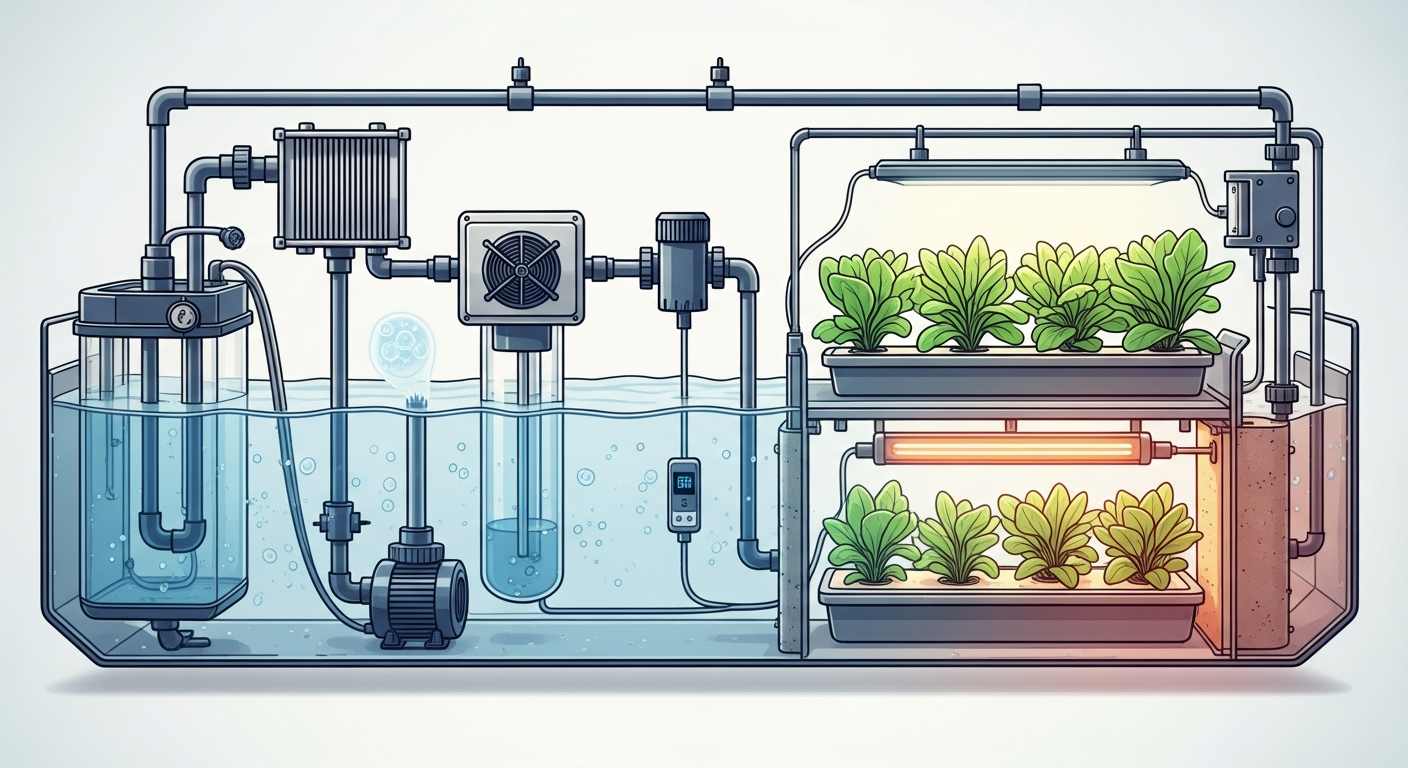
Managing nutrient solution temperature in an integrated hydroponic setup involves a combination of monitoring, active cooling, and active heating strategies. The choice of method often depends on the scale of your operation, ambient grow room temperatures, and budget.
1. Monitoring Equipment
You can’t manage what you don’t measure. Accurate and consistent monitoring is the first step:
- Submersible Thermometers: Basic, inexpensive, and effective for manual checks.
- Digital Thermometer Probes: Offer precise readings and often have alarm functions for out-of-range temperatures. Some even offer remote monitoring.
- Integrated Environmental Controllers: For larger or automated systems, these devices can monitor temperature (both air and solution), humidity, CO2, and pH, and automatically trigger cooling or heating equipment as needed.
2. Cooling Techniques (When Solution is Too Warm)
Excessive heat is a common problem, especially in indoor grows with powerful lighting or in warm climates.
- Nutrient Solution Chillers: These are the most effective and precise solutions for active cooling.
- How they work: A chiller circulates the nutrient solution through a cooling coil, much like a refrigerator.
- Types: Available in various sizes (BTU ratings) to match your reservoir volume and desired cooling capacity. Choose one that can adequately cool your entire system.
- Pros: Highly effective, precise temperature control, automated.
- Cons: Can be expensive to purchase and operate (energy consumption).
- Passive Cooling Methods: Less effective for significant temperature drops but can help reduce the load on chillers or for minor cooling needs.
- Insulate Reservoirs: Wrap reservoirs with insulation material (e.g., reflectix, foam board) to prevent heat transfer from the environment.
- Paint Reservoirs White: White surfaces reflect light and heat more effectively than dark surfaces.
- Bury Reservoirs: If feasible, burying reservoirs slightly in the ground can leverage geothermal cooling.
- Elevate Reservoirs: Placing reservoirs off the floor can prevent heat absorption from warm concrete.
- Air Circulation: Directing a fan across the top of an open reservoir can provide some evaporative cooling, but be mindful of humidity changes in the grow room.
- Room Temperature Control: Maintaining a cooler ambient air temperature in your grow room (via HVAC or air conditioning) will naturally help keep your nutrient solution cooler.
- Frozen Water Bottles/Ice Packs: A temporary, manual solution for small systems. Drop frozen bottles into the reservoir. This requires constant replacement and can cause temperature fluctuations.
3. Heating Techniques (When Solution is Too Cold)
Cold solution can be an issue in unheated grow rooms, basements, or during winter months.
- Submersible Heaters: Similar to aquarium heaters, these are placed directly into the reservoir.
- Features: Look for models with an integrated thermostat or connect them to an external temperature controller for precise management.
- Pros: Affordable, effective for maintaining temperature.
- Cons: Can sometimes have localized heating effects if circulation is poor. Ensure adequate water flow around the heater.
- Heating Mats: Placed underneath the reservoir, these provide gentle, even heating. More suitable for smaller systems or for supplemental warmth.
- Room Temperature Control: Just as with cooling, maintaining a warmer ambient air temperature in the grow room will naturally warm your nutrient solution.
- Insulation: As mentioned for cooling, insulation also works to retain heat in colder environments, reducing the need for constant heating.
4. System Design Considerations
Thoughtful design of your integrated hydroponic setup can minimize temperature challenges:
- Reservoir Size: Larger reservoirs have greater thermal mass and are more resistant to rapid temperature changes, making them more stable.
- Reservoir Placement: Position reservoirs away from direct heat sources (e.g., ballasts, powerful lights) and direct cold sources (e.g., windows, exterior walls).
- Circulation: Ensure your pump provides good circulation within the reservoir to prevent hot or cold spots and distribute dissolved oxygen and nutrients evenly.
The Interplay with Other Environmental Factors
In an integrated hydroponic system, no single factor exists in isolation. Nutrient solution temperature interacts with and is influenced by other environmental parameters:
- Air Temperature: A hot grow room will heat your nutrient solution, even with insulation. Conversely, a cold grow room will cool it. Optimal air temperature control reduces the burden on your solution temperature management systems.
- Humidity: Evaporative cooling techniques can increase ambient humidity, which might need to be counteracted with dehumidifiers.
- Light Intensity: High-intensity grow lights generate considerable heat, which can raise both air and solution temperatures. Proper ventilation and cooling for your lights are essential.
- CO2 Levels: While not a direct interaction, an optimal solution temperature supports robust root health and efficient nutrient uptake, which in turn allows plants to effectively utilize supplemental CO2 for enhanced photosynthesis and growth.
Considering these interdependencies allows for a truly holistic approach to environmental control, maximizing efficiency and plant potential across your entire setup.
Conclusion
The humble task of managing nutrient solution temperature is, in reality, a cornerstone of successful integrated hydroponic cultivation. By understanding its profound impact on dissolved oxygen, nutrient uptake, pathogen susceptibility, and overall plant metabolism, growers can move beyond guesswork to implement precise, effective control strategies. Investing in appropriate monitoring and temperature management equipment—whether it’s a dedicated chiller, a reliable submersible heater, or simple reservoir insulation—is not an extravagance but a critical investment in your plants’ health, vigor, and ultimately, your harvest yields. Prioritize nutrient solution temperature, and watch your hydroponic garden flourish with unparalleled vitality and productivity.