
In an era where our indoor environments profoundly impact our well-being, productivity, and the planet, the traditional piecemeal approach to managing internal conditions is no longer sufficient. We often find ourselves battling glaring sunlight in one corner while shivering in another, or dealing with stale air despite a roaring air conditioner. This fragmentation wastes energy, compromises comfort, and overlooks the intricate interplay of environmental factors. Enter the concept of Integrated Climate Control – a holistic philosophy that orchestrates the elements of light, heat, and air into a seamless, intelligent symphony. Far beyond merely heating or cooling, integrated systems represent a paradigm shift towards creating optimal, sustainable, and human-centric indoor spaces, harmonizing the subtle nuances of our surroundings for peak performance and comfort.
Understanding the Pillars of Indoor Climate Control
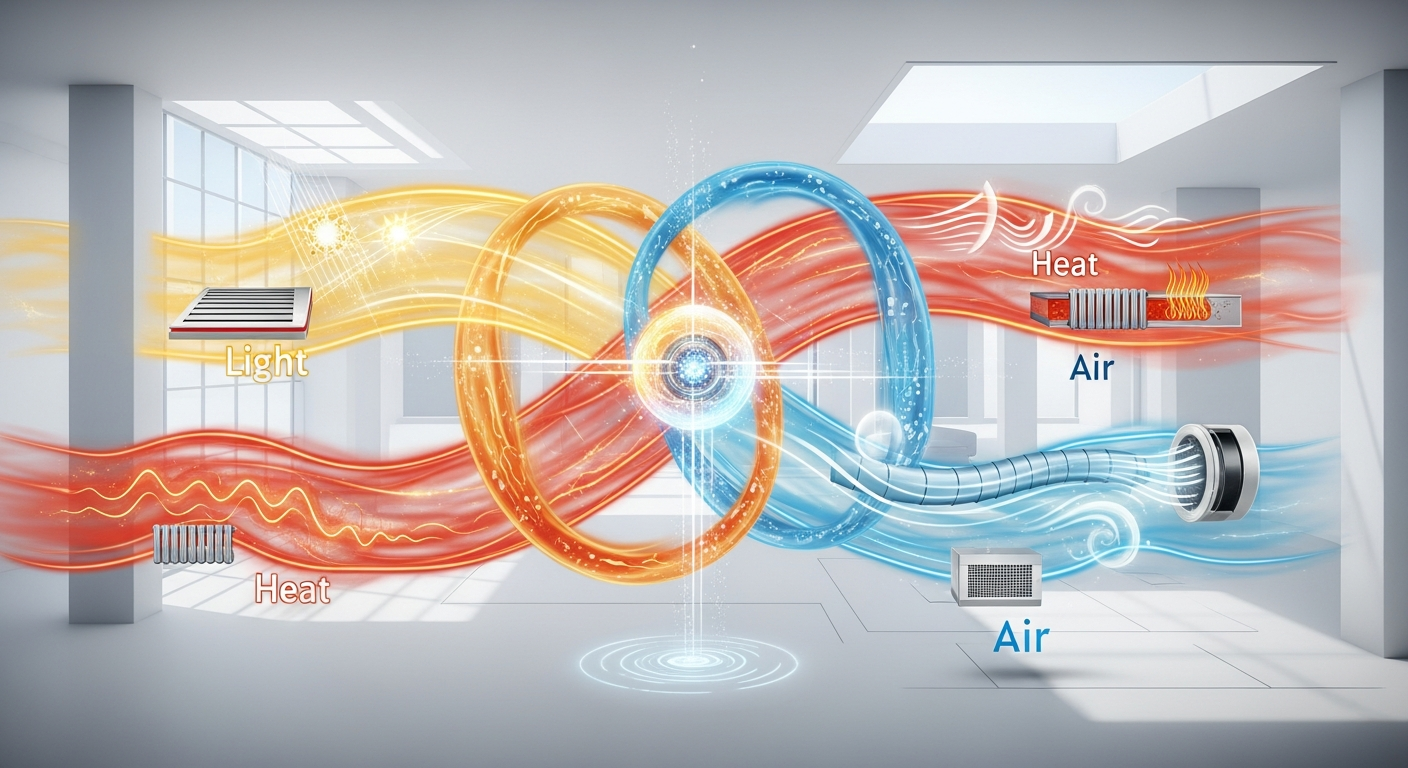
To truly harmonize our indoor environments, we must first understand the fundamental components that dictate our comfort and the building’s energy consumption: light, heat, and air. Each element, when managed in isolation, can lead to inefficiencies and discomfort. However, when viewed as interconnected systems, their synergistic potential becomes apparent.
The Influence of Light: Natural and Artificial Illumination
Light plays a pivotal role in our daily lives, influencing mood, productivity, and even our circadian rhythms. From a climate control perspective, light encompasses both natural daylight and artificial illumination.
- Natural Light (Daylighting): Harnessing sunlight offers numerous benefits, including reduced electricity consumption for lighting and improved occupant well-being. However, uncontrolled daylighting can lead to significant solar heat gain, increasing cooling loads, and causing uncomfortable glare. Effective integrated systems manage natural light by employing dynamic shading solutions, optimized window designs, and light shelves to distribute daylight evenly while mitigating its downsides.
- Artificial Lighting: Modern LED lighting offers significant energy savings, but even these generate heat. In an integrated system, artificial lighting is intelligently controlled – dimming or turning off when natural light is sufficient and adjusting color temperature to support human circadian rhythms. The heat generated by lighting also becomes a factor, especially in highly insulated buildings, where it contributes to the overall thermal load.
Managing Heat: Achieving Optimal Thermal Comfort
Thermal comfort is perhaps the most recognized aspect of climate control, encompassing both heating and cooling. It’s not just about a set temperature but also humidity, air movement, and radiant temperatures.
- Sources of Heat: Heat enters and exits a building through various pathways: solar radiation through windows and roofs, heat generated by occupants and equipment, heat transfer through walls and insulation, and ventilation.
- Heating Strategies: Traditional HVAC (Heating, Ventilation, and Air Conditioning) systems use forced air. However, integrated systems might incorporate radiant heating (floors, walls, ceilings), which provides a more even and comfortable warmth, or leverage passive solar design to capture and store solar energy during colder months.
- Cooling Strategies: Beyond conventional air conditioning, integrated cooling employs strategies like natural ventilation (cross-breezes, stack effect), night purging (cooling the building mass with cool night air), and advanced shading devices to prevent heat from entering in the first place. Understanding the cooling load contributions from lighting and occupants is crucial for right-sizing and optimizing cooling systems.
The Breath of Freshness: Air Quality and Movement
Indoor air quality (IAQ) is critical for health and productivity. Poor IAQ, characterized by high CO2 levels, volatile organic compounds (VOCs), and allergens, can lead to fatigue, headaches, and respiratory issues – often referred to as “Sick Building Syndrome.”
- Ventilation: Integrated systems prioritize efficient ventilation to introduce fresh outdoor air while exhausting stale indoor air. Demand-controlled ventilation (DCV) uses CO2 sensors to modulate airflow based on occupancy, saving energy when spaces are empty or sparsely populated.
- Humidity Control: Maintaining optimal humidity levels (typically 40-60%) is vital for comfort, preventing mold growth, and preserving building materials. Integrated systems monitor and adjust humidity using humidifiers or dehumidifiers, often integrated within the HVAC unit.
- Air Movement and Filtration: Proper air circulation prevents stratification and creates a sense of freshness. High-efficiency particulate air (HEPA) filters and other purification technologies ensure the air is free from pollutants, allergens, and pathogens.
The Synergy of Integration: Why a Holistic Approach is Paramount
Treating light, heat, and air as independent variables is like trying to conduct an orchestra with each section playing its own score. The result is disharmony, inefficiency, and a sub-optimal experience. Integrated climate control, however, recognizes their inherent interdependence, orchestrating them for superior outcomes.
Unlocking Unprecedented Energy Efficiency
One of the most compelling reasons for adopting integrated climate control is its profound impact on energy consumption. By coordinating systems, a building can achieve significant energy savings:
- Reduced Overlap: Traditional systems might have the air conditioning fighting the heat from artificial lights or solar gain. An integrated system will automatically dim lights when daylight is ample, or deploy automated blinds to block solar heat, thereby reducing the load on the cooling system before it even begins.
- Optimized Resource Use: Smart sensors monitor occupancy, temperature, CO2 levels, and light levels, feeding data to a central Building Management System (BMS). This allows for precise control, ensuring that energy is only expended where and when it’s truly needed. For example, unoccupied rooms won’t be fully lit, heated, or cooled.
- Load Shifting and Peak Demand Reduction: Integrated systems can pre-cool or pre-heat a building during off-peak energy hours, utilizing cheaper electricity and reducing strain on the grid during peak demand.
Elevating Occupant Comfort, Health, and Productivity
Beyond energy savings, the primary beneficiary of integrated climate control is the occupant. A harmonized environment contributes to:
- Consistent Thermal Comfort: By balancing radiant heat, air temperature, and humidity, occupants experience less localized discomfort, drafts, or stuffiness.
- Enhanced Visual Comfort: Glare is minimized, and light levels are consistently optimized, reducing eye strain and improving focus. The integration of artificial light with natural light supports natural human circadian rhythms, leading to better sleep and overall well-being.
- Superior Indoor Air Quality: Continuous monitoring and demand-controlled ventilation ensure a steady supply of fresh, filtered air, leading to fewer sick days, increased cognitive function, and a healthier living or working environment.
- Improved Well-being and Mood: Access to natural light and fresh air has been consistently linked to improved mood, reduced stress, and greater overall satisfaction with the environment.
Fostering Sustainability and Environmental Responsibility
Integrated climate control is a cornerstone of sustainable building design and operation. By dramatically reducing energy consumption and greenhouse gas emissions, these systems contribute significantly to a lower carbon footprint and help buildings achieve stringent green building certifications (e.g., LEED, BREEAM, WELL).
- Reduced Resource Consumption: Less energy means less reliance on fossil fuels. Optimized water usage for cooling towers or humidifiers also contributes to overall sustainability.
- Longer Equipment Lifespan: When systems operate efficiently and within optimal parameters, they experience less wear and tear, extending their operational life and reducing the need for premature replacements.
Key Principles and Technologies for Integrated Control
Achieving true integration requires a blend of thoughtful design principles and advanced technologies working in concert.
1. Passive Design Strategies: The Foundation
Before implementing any active systems, a building’s design itself should passively contribute to climate control. This includes:
- Building Orientation: Positioning a building to maximize desirable solar gain in winter and minimize unwanted gain in summer.
- Shading Devices: Overhangs, fins, and louvers that block direct sunlight during hot periods while allowing it in when needed.
- High-Performance Envelope: Excellent insulation, airtight construction, and high-performance windows reduce heat transfer.
- Thermal Mass: Materials that can absorb, store, and release heat to moderate indoor temperatures.
- Natural Ventilation: Designing for cross-ventilation or the stack effect to allow fresh air movement.
2. Active System Integration: The Intelligent Orchestration
Once passive strategies are maximized, active systems come into play, managed by intelligent controls:
- Building Management Systems (BMS) / Building Automation Systems (BAS): These are the central nervous systems of integrated climate control. A BMS collects data from all subsystems (HVAC, lighting, shading, security, access control) and uses programmed logic to control them centrally and harmoniously.
- Smart Sensors: A network of sensors provides real-time data:
- Occupancy Sensors: Detect presence to control lighting, ventilation, and temperature in specific zones.
- Temperature Sensors: Monitor ambient and radiant temperatures.
- CO2 Sensors: Regulate fresh air intake based on occupancy levels for optimal IAQ.
- Light Sensors (Photocells): Measure ambient light to dim or turn off artificial lights and control automated blinds.
- Humidity Sensors: Control humidifiers or dehumidifiers to maintain ideal indoor humidity.
- Automated Shading Systems: Motorized blinds, shades, or external louvers respond dynamically to sun position and intensity, preventing glare and solar heat gain while still allowing views and daylight. These are often integrated directly with the lighting and HVAC systems.
- Integrated HVAC-Lighting Interplay: When lights are dimmed due to sufficient daylight, the heat load they typically contribute to the space decreases, allowing the cooling system to reduce its output accordingly. Conversely, during colder months, heat from lighting can be strategically used to offset heating demands.
- Advanced HVAC Systems: Variable Refrigerant Flow (VRF) systems, geothermal heat pumps, and energy recovery ventilators (ERVs) are highly efficient technologies that can be seamlessly integrated into a BMS.
- Zoning Control: Dividing a building into distinct zones, each with its own climate control settings based on occupancy, orientation, and functional requirements, is crucial for efficiency and comfort.
3. Data Analytics and Machine Learning
The future of integrated climate control leverages vast amounts of data collected by the BMS. Machine learning algorithms can analyze historical data, predict future conditions (weather forecasts, occupancy patterns), and fine-tune system performance autonomously, leading to continuous optimization and predictive maintenance.
Implementing Integrated Climate Control: Practical Tips & Considerations
Whether you’re a homeowner or managing a large commercial property, embracing integrated climate control is a journey with tangible benefits.
For Homeowners and Small Businesses:
- Start Small, Think Big: Begin by integrating smart thermostats (e.g., Nest, Ecobee) with smart lighting systems (e.g., Philips Hue, Lutron Caséta) and smart blinds. Many platforms now offer hub-based integration.
- Seal and Insulate: The most cost-effective first step is to ensure your building envelope is performing well. Seal air leaks, upgrade insulation, and consider energy-efficient windows to reduce external loads.
- Utilize Natural Ventilation: Strategically open windows and doors to create cross-breezes when outdoor conditions are favorable. Consider whole-house fans for night purging.
- Window Treatments: Invest in high-quality blinds, shades, or drapes that can effectively block solar gain in summer and provide insulation in winter.
- Regular Maintenance: Ensure your HVAC system is regularly serviced, filters are clean, and ductwork is sealed for optimal performance and IAQ.
For Commercial Buildings and Large-Scale Implementations:
- Conduct an Energy Audit: Understand where your energy is being consumed and identify key areas for improvement.
- Invest in a Robust BMS/BAS: This is the backbone of integration. Choose a scalable system that can accommodate future technologies and provide comprehensive data.
- Embrace a Phased Approach: Full system overhauls can be daunting. Prioritize upgrades that offer the quickest ROI or greatest impact on comfort and IAQ.
- Educate Occupants: User engagement is crucial. Train building occupants on how to interact with smart systems and understand the benefits of integrated control.
- Prioritize Demand-Controlled Ventilation: Implement CO2 sensors in high-occupancy areas to optimize fresh air delivery, improving IAQ and saving fan energy.
- Engage Integrated Design Teams: Work with architects, engineers, and automation specialists who understand the principles of integrated design from the project’s inception. This ensures that passive and active systems are designed to complement each other.
Challenges and Solutions: Initial investment costs for advanced integrated systems can be higher than traditional setups. However, these costs are typically offset by significant long-term energy savings, reduced operational expenses, and improved occupant productivity. The complexity of integrating diverse systems requires specialized expertise, making it essential to partner with experienced professionals.
Conclusion
The principles of integrated climate control – harmonizing light, heat, and air – represent a fundamental shift towards creating truly smart, sustainable, and human-centric indoor environments. By moving beyond isolated systems and embracing a holistic, data-driven approach, we unlock unparalleled energy efficiency, elevate occupant comfort and well-being, and significantly reduce our environmental footprint. This synergy not only optimizes the performance of individual building components but also transforms our living and working spaces into dynamic, responsive ecosystems that adapt to our needs and the external environment. As technology continues to evolve, the future promises even more intuitive and predictive climate control, further cementing its role as an indispensable component of modern, responsible building design and management.