
Every great structure, from towering skyscrapers to intricate marine vessels, relies on a robust and reliable frame. The choice of material for these structural frames is one of the most fundamental decisions an engineer or architect faces, impacting everything from structural integrity and longevity to cost and environmental footprint. In the world of construction and manufacturing, two materials frequently stand at the forefront of this discussion: galvanized steel and aluminum alloys. Both offer distinct advantages and disadvantages, making the selection process a nuanced balancing act between performance, budget, and application-specific demands.
This comprehensive guide delves into a detailed comparison of galvanized steel and aluminum alloys for structural framing applications. We will explore their unique characteristics, evaluate their performance across critical metrics like strength, corrosion resistance, and cost, and provide practical insights to help you make an informed decision for your next project. Understanding the intricacies of these materials is not just about knowing their properties; it’s about appreciating how those properties translate into real-world performance and long-term value in various engineering and architectural contexts.
Understanding the Contenders: Galvanized Steel and Aluminum Alloys
Before diving into a head-to-head comparison, it’s crucial to understand what defines each of these materials and where their inherent strengths lie. Both galvanized steel and aluminum alloys are widely used, but they derive their utility from very different metallurgical foundations and treatment processes.
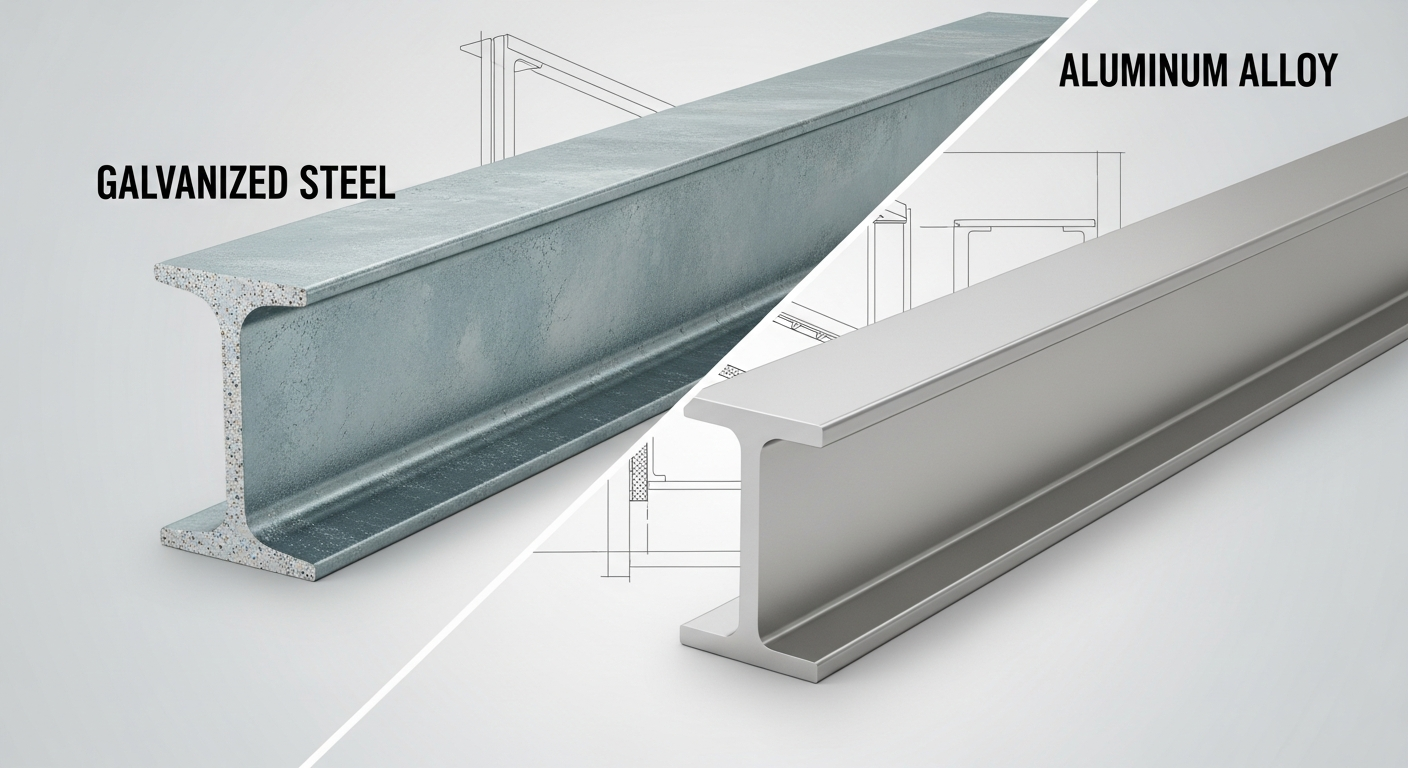
Galvanized Steel: The Robust Workhorse
Steel, at its core, is an alloy primarily composed of iron and carbon, renowned for its exceptional strength and rigidity. However, its Achilles’ heel is its susceptibility to corrosion, specifically rust, when exposed to oxygen and moisture. To combat this, steel often undergoes a process called galvanization, where it is coated with a protective layer of zinc.
There are several methods of galvanization, with hot-dip galvanizing being the most common for structural applications. In this process, fabricated steel components are immersed in a bath of molten zinc. The zinc metallurgically bonds with the steel, creating a durable and highly protective coating. This zinc layer serves a dual purpose: it acts as a physical barrier preventing corrosive substances from reaching the steel, and if the coating is scratched, the zinc sacrifices itself (known as cathodic protection) to protect the underlying steel.
Key Characteristics of Galvanized Steel:
- High Strength: Steel boasts very high tensile and yield strength, making it ideal for heavy load-bearing structures and situations requiring significant rigidity.
- Durability: The combination of steel’s inherent strength and the zinc coating’s corrosion protection results in a material with excellent long-term durability, even in harsh environments.
- Cost-Effectiveness: Per unit of strength, steel is often one of the most economical structural materials. Galvanization adds to the cost but provides significant lifecycle savings through reduced maintenance.
- Impact Resistance: Its robust nature allows it to withstand significant impact and stress without permanent deformation, which is critical in many industrial and infrastructure applications.
- Fire Resistance: Steel retains its structural integrity at higher temperatures compared to aluminum, although extreme heat can still weaken it.
Typical Applications: Galvanized steel is the go-to material for heavy industrial buildings, warehouses, bridges, highway guardrails, telecommunication towers, agricultural equipment, and many types of outdoor and marine structures where strength, cost-effectiveness, and corrosion resistance are paramount.
Aluminum Alloys: The Lightweight Innovator
Aluminum is a non-ferrous metal known for its remarkably low density. In its pure form, aluminum is relatively soft, but when alloyed with other elements such as copper, magnesium, silicon, or zinc, its strength dramatically increases, creating a range of aluminum alloys with diverse properties. These alloys retain the lightness of aluminum while gaining strength suitable for structural applications.
A key characteristic of aluminum alloys is their natural resistance to corrosion. When aluminum is exposed to air, it immediately forms a thin, dense layer of aluminum oxide on its surface. This passive layer is highly resistant to further oxidation and corrosion, effectively protecting the underlying metal. This self-passivating property is a significant advantage, particularly in environments where traditional metals would quickly degrade.
Key Characteristics of Aluminum Alloys:
- Exceptional Strength-to-Weight Ratio: While not as strong as steel in absolute terms, aluminum is approximately one-third the density of steel. This means that for a given strength requirement, an aluminum structure will be significantly lighter, leading to superior strength-to-weight characteristics for many designs.
- Natural Corrosion Resistance: As mentioned, aluminum forms a protective oxide layer, making it highly resistant to rust and many other forms of chemical corrosion, especially in atmospheric and marine environments.
- Formability and Aesthetics: Aluminum is highly ductile and malleable, allowing it to be easily extruded, formed, and machined into complex shapes. It also has an attractive natural finish and can be anodized or painted for enhanced aesthetics.
- Non-Magnetic: This property is valuable in applications sensitive to magnetic fields.
- Thermal Conductivity: Aluminum is an excellent conductor of heat, which can be an advantage or disadvantage depending on the application.
- Recyclability: Aluminum is 100% recyclable without any loss of quality, and recycling requires significantly less energy than primary production.
Typical Applications: Aluminum alloys are widely used in aerospace, automotive (for weight reduction), marine structures, architectural facades, window frames, bicycle frames, portable structures, and electrical components, where weight savings, corrosion resistance, and aesthetic appeal are critical.
Head-to-Head Comparison: Key Performance Metrics
Choosing between galvanized steel and aluminum alloys requires a detailed evaluation across several critical performance metrics. The optimal material will always depend on the specific demands of the project, environment, and budget.
Strength-to-Weight Ratio
This metric is often paramount in structural design. While galvanized steel boasts higher absolute tensile and yield strength, meaning it can withstand greater forces before deforming or breaking, it is also considerably denser. A steel beam of a certain size will be much stronger than an aluminum beam of the same size, but it will also be three times heavier.
Aluminum alloys, despite having lower absolute strength, excel in their strength-to-weight ratio. Because aluminum is so much lighter, engineers can design larger or thicker aluminum sections to achieve the required strength without incurring the massive weight penalty associated with steel. This makes aluminum ideal for applications where weight reduction is crucial, such as transportation, aerospace, and any structure that needs to be moved or lifted frequently.
- Practical Tip: When designing for strength, consider not just the material’s inherent strength, but also how its density impacts the overall structural weight. Lighter structures reduce foundation costs, shipping expenses, and energy consumption in dynamic applications.
Corrosion Resistance and Durability
Both materials offer excellent corrosion resistance, but through different mechanisms.
- Galvanized steel relies on its zinc coating. Zinc provides a physical barrier and sacrificial (cathodic) protection. This protection is highly effective and durable, lasting for decades in many environments. However, if the zinc coating is severely damaged or worn away, the underlying steel will eventually be exposed to corrosion. In highly acidic or alkaline environments, the zinc itself can degrade. Regular inspection and potential re-coating can prolong its life.
- Aluminum alloys exhibit natural corrosion resistance due to the formation of a self-repairing passive oxide layer. This makes aluminum highly resilient in atmospheric conditions, freshwater, and saltwater environments. Aluminum is generally superior to galvanized steel in environments with prolonged moisture exposure, such as marine applications. However, aluminum can be susceptible to galvanic corrosion if it comes into direct contact with more noble metals (like copper or even unprotected steel) in the presence of an electrolyte. It can also corrode in highly acidic or alkaline solutions, though often less aggressively than zinc.
Practical Tip: When using galvanized steel, ensure proper surface preparation for any additional coatings (like paint) and avoid abrasive cleaning methods that could damage the zinc. For aluminum, always consider dielectric isolation when it might come into contact with dissimilar metals to prevent galvanic corrosion.
Cost Considerations (Initial vs. Lifecycle)
Cost is a multi-faceted factor, encompassing raw material prices, fabrication, installation, and long-term maintenance.
- Raw Material Cost: Historically, aluminum alloys tend to have a higher upfront raw material cost per pound or kilogram compared to steel, including galvanized steel. However, material market prices fluctuate significantly.
- Fabrication Cost: Fabrication costs for both can vary. Steel typically requires heavier machinery for cutting, bending, and welding, but welding steel is generally more straightforward than welding aluminum, which often requires specialized equipment and techniques (e.g., TIG, MIG with specific gases).
- Installation Cost: Due to its lighter weight, aluminum can significantly reduce installation costs. Less heavy lifting equipment is required, and labor may be more efficient, especially for large, pre-fabricated sections. The need for less substantial foundations for lighter aluminum structures also contributes to lower overall project costs.
- Maintenance and Lifecycle Cost: This is where the initial cost differences can be offset. Galvanized steel, while durable, may eventually require maintenance or recoating, especially in harsh conditions. Aluminum’s inherent corrosion resistance often translates into lower long-term maintenance costs, as it typically doesn’t require painting or extensive protective treatments.
Practical Tip: Always conduct a full lifecycle cost analysis, not just an initial material cost comparison. Factor in fabrication, shipping, installation, foundation requirements, and anticipated maintenance over the lifespan of the structure. A higher initial material cost for aluminum might be offset by lower long-term expenses.
Fabrication and Workability
The ease and methods of fabrication differ considerably between the two materials.
- Galvanized Steel: Steel is highly workable. It can be easily cut, drilled, and welded. However, welding galvanized steel requires caution. The zinc coating vaporizes at welding temperatures, producing toxic fumes that necessitate excellent ventilation. The vaporization can also lead to weld porosity and embrittlement, requiring careful technique or post-weld repair/re-galvanization of the affected area to restore corrosion protection.
- Aluminum Alloys: Aluminum is also very workable and can be extruded into complex profiles, allowing for efficient designs. It is easily cut and machined. Welding aluminum, however, presents unique challenges: aluminum has a lower melting point, higher thermal conductivity, and forms a tenacious oxide layer that must be removed before welding. Specialized welding processes (like MIG or TIG with inert gas shielding) and skilled operators are essential for achieving strong, clean welds. Aluminum also has a higher coefficient of thermal expansion, meaning it expands and contracts more with temperature changes, which needs to be accounted for in design, especially for long structures.
Practical Tip: For complex shapes or intricate profiles, aluminum extrusion offers design flexibility not easily matched by steel. For projects involving extensive welding, consider the additional cost and expertise required for aluminum fabrication vs. the safety and re-coating needs for galvanized steel welding.
Environmental Impact and Sustainability
Environmental considerations are increasingly important in material selection.
- Galvanized Steel: Steel is one of the most recycled materials globally, with high recycling rates. However, primary steel production is energy-intensive and involves significant CO2 emissions. Galvanization itself has an environmental footprint related to zinc production and the galvanizing process.
- Aluminum Alloys: Primary aluminum production is extremely energy-intensive. However, aluminum is 100% recyclable, and recycling aluminum requires only about 5% of the energy needed to produce virgin aluminum. This makes recycled aluminum a highly sustainable material. The lightweight nature of aluminum structures also contributes to reduced energy consumption in transportation (e.g., automotive, aerospace) and reduced loads on foundations.
Practical Tip: When prioritizing sustainability, consider the availability of recycled content for either material. Aluminum’s high recyclability and the energy savings associated with it often give it an edge in lifecycle environmental assessments, especially if specifying recycled material. For steel, focus on optimizing design to minimize material usage and ensure proper end-of-life recycling.
Practical Applications and Design Considerations
Understanding the fundamental differences allows us to define scenarios where each material truly shines.
When to Choose Galvanized Steel
Galvanized steel remains the champion for applications demanding sheer strength, rigidity, and cost-effectiveness for heavy-duty load bearing.
- Heavy Load-Bearing Structures: For large industrial buildings, bridges, and multi-story constructions where maximum strength and stiffness are required to support immense static and dynamic loads, galvanized steel is often the preferred choice.
- Industrial and Agricultural Environments: Its robustness and resistance to impact make it suitable for environments where structures might be exposed to rough handling, heavy machinery, or animal contact.
- Cost-Sensitive Projects with High Strength Demands: When the budget is a primary constraint and significant strength is non-negotiable, galvanized steel often provides the most economical solution per unit of strength.
- Fire Resistance Requirements: While not entirely fireproof, steel maintains its structural integrity at higher temperatures for longer periods compared to aluminum, a critical factor in building codes.
Design Tip: When using galvanized steel, ensure proper drainage in design to prevent standing water, which can accelerate zinc degradation. Pay attention to detailing for connections and penetrations to maintain the integrity of the zinc coating. Consider duplex systems (galvanizing plus paint) for extended lifespan and enhanced aesthetics in highly corrosive environments.
When to Choose Aluminum Alloys
Aluminum alloys are favored when weight reduction, aesthetics, and superior natural corrosion resistance are paramount.
- Lightweight Structures: Any application where reducing overall weight is critical – aerospace, automotive frames, ship superstructures, portable stages, or even large movable architectural elements – benefits immensely from aluminum’s excellent strength-to-weight ratio.
- Marine and Highly Corrosive Environments: Aluminum’s natural oxide layer provides exceptional resistance to saltwater corrosion, making it ideal for boat hulls, offshore platforms, and coastal architectural elements.
- Architectural and Aesthetic Applications: Its ability to be extruded into complex, aesthetically pleasing profiles, combined with its attractive finish (natural or anodized), makes aluminum popular for modern building facades, window frames, and decorative structural elements.
- Rapid Assembly Projects: Lighter components are easier and faster to handle and install, leading to reduced labor costs and quicker project completion times.
- Thermal Management: In applications requiring heat dissipation or insulation, aluminum’s high thermal conductivity can be leveraged (or managed, depending on the need).
Design Tip: Due to aluminum’s higher coefficient of thermal expansion, design long structures with appropriate expansion joints to prevent buckling or stress buildup. For welded aluminum structures, specify post-weld heat treatment if maximum strength recovery is critical, as welding can locally weaken some aluminum alloys. Always consider fatigue properties, especially in dynamic loading situations, as some aluminum alloys can be more susceptible to fatigue than steel.
Hybrid Solutions: Leveraging the Best of Both
In many complex projects, engineers don’t have to choose exclusively one material. Hybrid structures, combining galvanized steel for heavy load-bearing sections and aluminum alloys for lighter, non-load-bearing or aesthetic elements, can offer an optimized solution. This approach allows designers to harness the specific advantages of each material where they are most beneficial, leading to highly efficient, cost-effective, and durable structures. Careful consideration must be given to preventing galvanic corrosion at the interface of dissimilar metals through proper isolation techniques.
Conclusion: Making the Right Structural Choice
The decision between galvanized steel and aluminum alloys for structural frames is rarely straightforward, as both materials are highly capable and widely proven. There is no single “best” material; rather, there is the most appropriate material for a given set of project parameters. Galvanized steel stands out for its unmatched absolute strength, rigidity, and cost-effectiveness in heavy-duty, high-load applications where weight is less of a concern. Its robust nature and sacrificial corrosion protection make it a durable choice for demanding industrial and infrastructure projects.
Conversely, aluminum alloys excel where weight reduction is paramount, offering an exceptional strength-to-weight ratio. Their inherent corrosion resistance, aesthetic versatility, and high recyclability make them ideal for marine environments, architectural facades, and the transportation sector. The lifecycle costs, including reduced maintenance and easier installation, can often offset aluminum’s higher initial material expense.
Ultimately, the selection process requires a thorough evaluation of several factors: the required strength and stiffness, the specific environmental conditions (corrosion potential, temperature variations), the project budget (both initial and lifecycle), fabrication capabilities, aesthetic goals, and sustainability targets. By carefully weighing these considerations, often in consultation with experienced structural engineers and material specialists, you can ensure that your structural frame material choice contributes to a successful, durable, and optimized project.