
Have you ever wondered why a thick winter coat keeps you warm, or how your thermos keeps coffee hot for hours? The secret lies not just in the materials themselves, but often in the invisible spaces within and between them: air gaps and dead air space. Far from being empty voids, these pockets of still air are unsung heroes in the world of thermal insulation, playing a critical role in the science of multi-layer insulation systems. Understanding how these spaces work is key to unlocking superior energy efficiency, enhancing comfort, and making informed decisions about insulating your home or any structure. Dive with us into the fascinating physics that transform simple air into a powerful barrier against heat transfer.
The Fundamental Principles of Heat Transfer
To truly appreciate the role of air gaps and dead air space in multi-layer insulation, we must first understand the three primary mechanisms by which heat moves from warmer areas to colder ones. Insulation systems are expertly designed to impede one or more of these processes, creating a thermal barrier that maintains desired temperatures.
Conduction: Heat Through Direct Contact
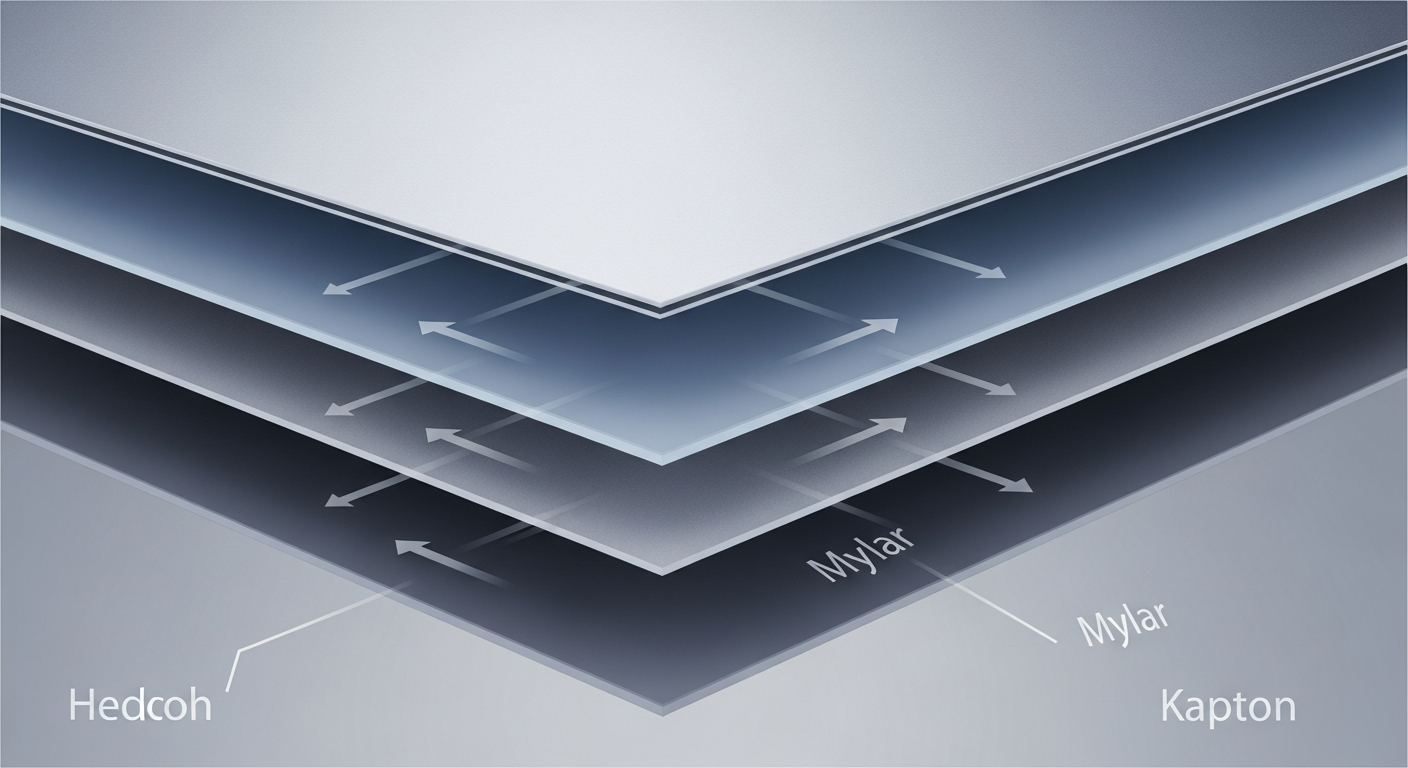
Conduction is the transfer of heat energy through direct contact between molecules. Imagine holding a metal spoon in a hot cup of tea; the heat travels up the spoon to your hand. Materials vary greatly in their ability to conduct heat. Metals are excellent conductors, while materials like wood, plastic, and especially air, are poor conductors. Insulation materials are specifically chosen for their low thermal conductivity, meaning heat struggles to pass through them via direct molecular collision.
Convection: Heat Via Fluid Movement
Convection involves the transfer of heat through the movement of fluids (liquids or gases). When air or water is heated, it becomes less dense and rises, carrying heat energy with it. Cooler, denser fluid then sinks to take its place, creating a circulatory current. Think of boiling water or a hot air balloon. In buildings, uncontrolled air movement – drafts – can rapidly transfer heat out of your home in winter or into it in summer, making convection a significant challenge for effective insulation.
Radiation: Heat Through Electromagnetic Waves
Radiation is the transfer of heat through electromagnetic waves, much like sunlight warming your skin. This form of heat transfer does not require a medium; heat can radiate across a vacuum. Every object with a temperature above absolute zero emits thermal radiation. In a home, radiant heat can enter through windows or radiate from hot roofs and walls into living spaces, especially during summer. Conversely, warmth from your heating system can radiate towards cold exterior walls in winter.
The Power of Still Air: Understanding Air Gaps and Dead Air Space
Among the three modes of heat transfer, convection is often the most significant foe for effective insulation. This is where the concept of air gaps and dead air space becomes paramount. Air itself is an excellent insulator, but only when it’s kept still.
Why Still Air Insulates So Well
The insulating prowess of air stems from its very nature: it has a low density and its molecules are relatively far apart. This means there are fewer molecules to collide and transfer heat via conduction. However, if air is allowed to move freely, it can become a conduit for heat transfer through convection. Warm air rises, cool air sinks, and heat is effectively circulated away from where it’s needed or introduced where it’s not. The goal of many insulation strategies, therefore, is to trap air, rendering it “dead” or immobile, thus preventing convective heat flow.
Defining “Dead Air Space”
A “dead air space” refers to a pocket of air that is intentionally isolated and prevented from circulating. When air is trapped in small, confined spaces, its ability to move freely and transfer heat via convection is severely restricted. The smaller the air pocket, the less internal air movement can occur. This is why materials like fiberglass batting, mineral wool, and foam boards are so effective: they consist of countless tiny air pockets trapped within their fibrous or cellular structures. These materials don’t primarily insulate because of the fibers or foam itself, but because of the vast amount of still air they contain.
Similarly, an “air gap” is a deliberate void or space left between layers of building materials, such as between an exterior wall sheathing and interior drywall, or within a double-paned window. These gaps are engineered to create a dead air space, enhancing the overall thermal resistance of the assembly. The size and sealing of these air gaps are crucial; if they are too large or not properly sealed, convection currents can establish themselves, diminishing their insulating value.
Multi-Layer Insulation Systems: Leveraging Air Gaps for Superior Performance
The genius of multi-layer insulation systems lies in their ability to strategically incorporate and optimize air gaps and dead air space. By combining different materials and layering them effectively, these systems can combat all three forms of heat transfer, offering superior thermal performance.
How Multi-Layer Systems Work
Multi-layer insulation often involves several distinct components, each playing a specific role:
- Trapping Air: Materials like fiberglass, cellulose, rock wool, and spray foam excel at trapping millions of tiny air pockets, creating extensive dead air space to combat conduction and convection. Their fluffy or foamy structures are designed precisely for this purpose.
- Creating Deliberate Air Gaps: In assemblies, deliberate air gaps are often created between a reflective surface and another material. These gaps prevent the reflective material from losing its effectiveness by conduction, ensuring it can reflect radiant heat efficiently.
- Reflecting Radiant Heat: Reflective insulation and radiant barriers are thin, highly reflective materials (like aluminum foil) that are excellent at reflecting radiant heat. For these materials to work, they absolutely require an adjacent air gap. Without an air gap, the reflective surface would be in direct contact with another material, and heat would transfer via conduction, rendering the reflective property useless.
By integrating these elements, a multi-layer system can simultaneously minimize conductive flow through solid materials, prevent convective currents with trapped air, and reflect radiant heat away from the building envelope.
Types of Multi-Layer Insulation
- Reflective Insulation and Radiant Barriers: These thin sheets often consist of one or more layers of reflective material (e.g., aluminum foil) combined with a core of bubble wrap, foam, or another material to create internal air pockets. When installed, they require an air gap on at least one side to be effective against radiant heat. They are particularly useful in hot climates or in attics to block heat gain from a hot roof.
- Batt and Roll Insulation (Fiberglass, Mineral Wool): These are commonly seen as thick blankets or rolls. Their fibrous structure creates a vast network of tiny air pockets that effectively trap air. When installed between studs or joists, they fill the cavity, minimizing opportunities for convective air movement within that space. It’s crucial not to compress these materials, as compression reduces the amount of trapped air and thus lowers their R-value.
- Rigid Foam Boards (XPS, EPS, Polyiso): These boards are made of foamed plastic, containing countless small, discrete cells filled with air or other insulating gases. The closed-cell structure of many foam boards creates highly effective dead air spaces, making them excellent insulators with high R-values per inch. They can also be part of a multi-layer system, serving as an insulating core with air gaps on either side if reflective facings are used.
- Structural Insulated Panels (SIPs): These are advanced building panels typically made of an insulating foam core (like EPS or polyiso) sandwiched between two structural facings (like OSB). The foam core effectively creates a thick, continuous dead air space within the panel, offering excellent thermal performance and reducing thermal bridging.
Practical Applications and Maximizing Insulation Effectiveness
Understanding the science is one thing; applying it effectively is another. Proper installation and consideration of air gaps are paramount for achieving optimal insulation performance and maximizing energy efficiency.
Key Considerations for Installation
When installing insulation, keep the following practical tips in mind:
- Do Not Compress Batt Insulation: While it might seem like more insulation is better, compressing fibrous insulation like fiberglass or mineral wool reduces the number and size of the air pockets it traps. This dramatically lowers its R-value, making it less effective. Always allow batt insulation to expand fully to its advertised thickness.
- Ensure Air Gaps for Reflective Materials: If you’re using a radiant barrier or reflective insulation, it must have an air gap of at least ¾ inch (preferably larger) on the side facing the heat source to function properly. Without this gap, heat will simply conduct through the reflective material to the adjacent surface.
- Seal Air Leaks First: Before adding insulation, meticulously seal all air leaks in your building envelope (around windows, doors, electrical outlets, pipes, and attic hatches). Insulation works by stopping heat transfer *through* materials, but air leaks bypass insulation entirely, allowing conditioned air to escape and unconditioned air to enter, rendering even the best insulation less effective. This prevents unwanted convective flow.
- Maintain Ventilation (Where Needed): While dead air space is crucial for insulation, proper ventilation in spaces like attics and crawl spaces is equally important to prevent moisture buildup and structural damage. Insulation and ventilation work hand-in-hand, but they serve different purposes. Ensure attic vents are not blocked by insulation.
- Layering Materials: For optimal performance, consider layering different insulation types. For example, a layer of rigid foam board on exterior walls followed by batt insulation in the stud cavities, combined with an air gap and radiant barrier in the attic, can create a highly effective multi-layered defense against heat transfer.
Common Misconceptions and Best Practices
A common misconception is that insulation “stops” heat. In reality, insulation *slows down* the rate of heat transfer. No insulation can completely block heat, but good insulation can make the transfer so slow that your heating and cooling systems operate far more efficiently.
Another pitfall is assuming that simply adding more insulation indiscriminately will yield proportionate results. The effectiveness of insulation, especially multi-layer systems, is highly dependent on how well the air gaps are managed and how tightly the entire building envelope is sealed. A holistic approach that addresses air sealing, appropriate R-values, and strategic use of air gaps will always outperform simply piling on more material.
Conclusion
The seemingly simple concepts of air gaps and dead air space form the cornerstone of effective thermal insulation. By understanding how still air impedes conductive and, more critically, convective heat transfer, we gain a profound appreciation for the sophisticated engineering behind multi-layer insulation systems. From the millions of microscopic air pockets in fiberglass bats to the engineered voids crucial for radiant barriers, these hidden spaces are pivotal in creating comfortable, energy-efficient environments. Embracing the science of air gaps in your insulation strategy means not just adding materials, but intelligently designing your building envelope to harness the inherent insulating power of truly still air, leading to significant energy savings, reduced utility bills, and a more pleasant living or working space for years to come.