
The pursuit of optimal growing conditions within a greenhouse is a delicate balancing act, one that requires precise control over temperature, light, and humidity. Traditional greenhouse glass, while excellent for light transmission, is notoriously inefficient when it comes to thermal performance, leading to significant heating and cooling costs. Enter Low-Emissivity (Low-E) coatings: a revolutionary technology that has transformed energy efficiency in residential and commercial buildings. But how well do these advanced coatings translate to the unique demands of a greenhouse environment? Evaluating Low-E coatings for greenhouse glass involves understanding their nuanced interaction with the sun’s spectrum and their potential to dramatically alter the economics and efficacy of controlled-environment agriculture.
What are Low-E Coatings and How Do They Work?
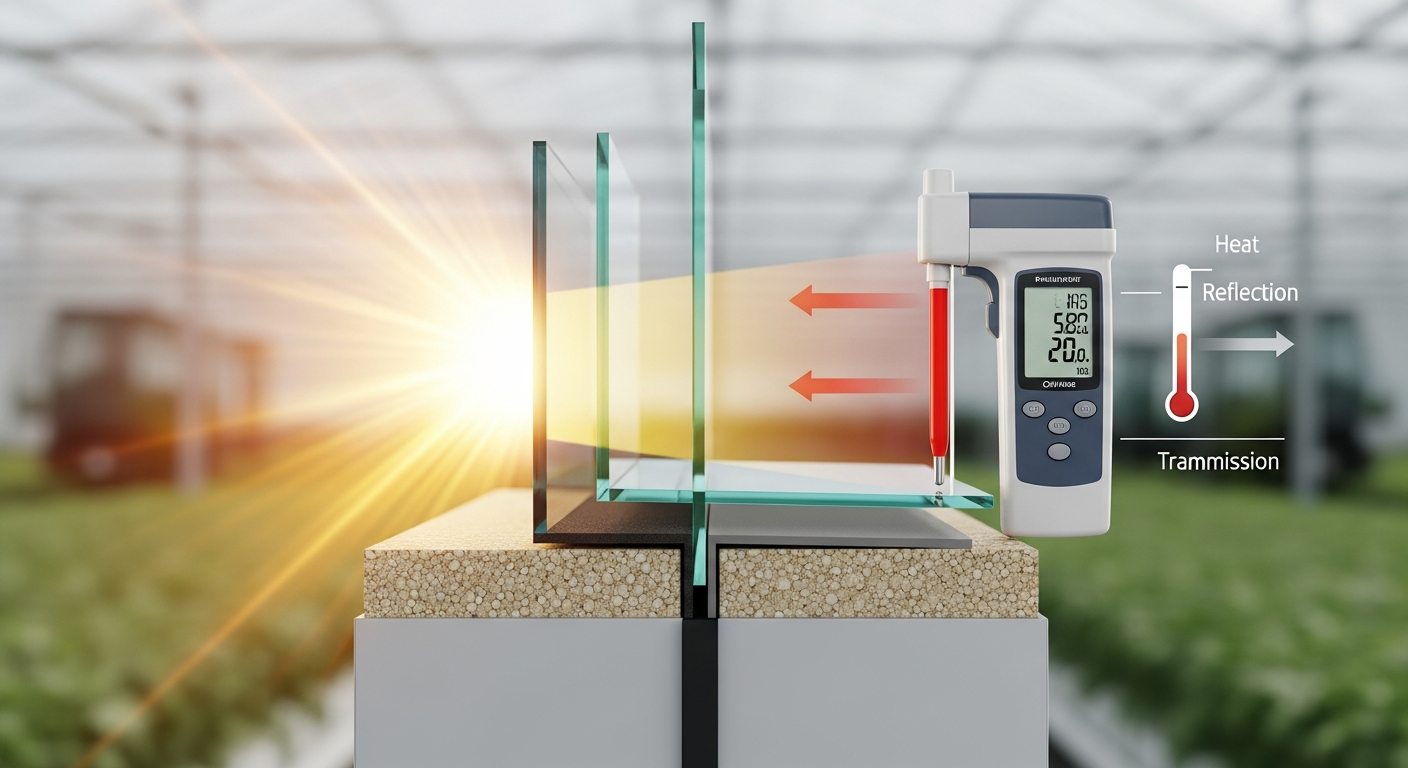
Low-Emissivity coatings are microscopic, transparent layers of metal or metallic oxides applied to glass surfaces. Their primary function is to improve the thermal performance of glass by reducing heat transfer through radiation. In simpler terms, they act as a selective barrier, allowing certain wavelengths of light to pass through while reflecting or absorbing others.
The Science Behind Emissivity
Emissivity is a measure of a surface’s ability to emit energy by radiation. All materials absorb and emit radiant energy. A perfectly black body has an emissivity of 1.0, meaning it absorbs and emits all radiation. Untreated glass has a relatively high emissivity (around 0.84), meaning it readily absorbs heat and radiates it away. Low-E coatings, as their name suggests, significantly lower this emissivity (often to 0.04-0.20), thereby reducing the amount of heat that can radiate through the glass.
How Low-E Coatings Interact with Light and Heat
The sun’s energy spectrum is broad, encompassing ultraviolet (UV), visible light, and infrared (IR) radiation. Each component plays a different role in a greenhouse:
- Ultraviolet (UV) Radiation: Can be damaging to plants and materials over long exposure.
- Visible Light: Crucial for photosynthesis (Photosynthetically Active Radiation – PAR). This is what plants need to grow.
- Infrared (IR) Radiation: Primarily responsible for heat. Short-wave IR comes directly from the sun; long-wave IR is radiated by warm objects inside the greenhouse.
Low-E coatings are designed to be “spectrally selective.” They allow beneficial visible light to pass through for plant growth, but they selectively reflect long-wave IR radiation back into the greenhouse during colder periods (trapping heat) and reflect short-wave IR radiation away during warmer periods (preventing overheating). This dual action is key to their energy-saving potential.
Benefits of Low-E Glass in Greenhouse Environments
The application of Low-E technology to greenhouse glass offers several compelling advantages for growers seeking to optimize their operations and reduce environmental impact.
Enhanced Thermal Efficiency (Winter Heat Retention)
During colder months, a significant amount of heat generated by heaters or absorbed from the sun during the day is lost through conventional glass via radiation. Low-E coatings, by reflecting long-wave IR back into the greenhouse, drastically reduce this radiant heat loss. This means the greenhouse stays warmer for longer, leading to substantial reductions in heating costs and a more stable internal temperature for plant health. For commercial growers, this can translate into significant operational savings and improved crop yields due to fewer temperature fluctuations.
Managing Solar Gain (Summer Cooling)
Conversely, in warmer climates or during summer months, excessive solar gain can lead to overheating, necessitating costly cooling systems and ventilation. Certain types of Low-E coatings are designed to reflect a high percentage of short-wave IR radiation from the sun, preventing it from entering the greenhouse in the first place. This reduces the heat load, lowering the demand on cooling systems and creating a more comfortable and less stressful environment for plants.
Optimizing Light for Plant Growth
Unlike simple reflective coatings that might block too much visible light, advanced Low-E coatings are engineered to be highly transparent to the Photosynthetically Active Radiation (PAR) spectrum (400-700 nanometers) that plants require. This means growers can achieve the thermal benefits without compromising the vital light necessary for photosynthesis. Some coatings can even selectively filter out harmful UV radiation, protecting plants and greenhouse structures, while still allowing the full spectrum of beneficial light.
Reducing Condensation
Condensation occurs when warm, moist air inside the greenhouse comes into contact with cold glass surfaces. This can drip onto plants, promoting fungal diseases and creating an undesirable environment. Low-E coatings keep the interior glass surface warmer, reducing the temperature difference between the glass and the internal air. This significantly minimizes condensation, contributing to healthier plants and less maintenance.
Types of Low-E Coatings and Their Spectral Selectivity
Not all Low-E coatings are created equal, especially when considering the specific needs of a greenhouse. The two primary types are “hard coat” and “soft coat,” each with distinct characteristics and applications.
Hard Coat (Pyrolytic) Low-E
Hard coat Low-E is manufactured by fusing a thin layer of metallic oxide onto the glass surface during the manufacturing process, making it very durable. It can be exposed to the elements without degrading. However, hard coat Low-E generally offers moderate thermal performance and less spectral selectivity compared to soft coat. While durable, its lower performance might not always meet the stringent energy efficiency goals of advanced greenhouse operations, particularly in extreme climates.
Soft Coat (Sputtered) Low-E
Soft coat Low-E is created by applying multiple layers of silver or other metallic materials in a vacuum chamber. These coatings offer superior thermal performance and greater spectral selectivity, meaning they can be precisely engineered to block specific wavelengths of IR while maximizing visible light transmission. Because soft coats are delicate, they are typically applied to surfaces that are enclosed within an Insulated Glazing Unit (IGU) – essentially, two panes of glass with an air or inert gas space between them. This protection allows the coating to perform optimally without direct exposure to the elements. For greenhouses, this often means choosing double-pane glass, which inherently offers better insulation than single pane.
Tailoring Low-E for Greenhouse Needs
The “ideal” Low-E coating for a greenhouse will be one that maximizes PAR transmission while effectively managing heat. Some manufacturers offer specialized greenhouse Low-E products that prioritize these aspects. For instance, a coating designed to transmit 90% of visible light while reflecting 80% of IR would be highly beneficial. Understanding the spectral performance data (often presented as a “spectral curve”) is crucial for making an informed decision.
Key Considerations When Evaluating Low-E for Your Greenhouse
Choosing the right Low-E coating for your greenhouse is not a one-size-fits-all decision. Several factors must be carefully weighed to ensure the investment yields optimal results.
Climate and Geographic Location
Your local climate is perhaps the most significant determinant.
- Cold Climates: Greenhouses in regions with long, cold winters will prioritize Low-E coatings that maximize heat retention (e.g., higher reflectivity for long-wave IR).
- Hot Climates: Greenhouses in areas with intense sun and hot summers will benefit more from Low-E coatings that prioritize solar heat rejection (e.g., higher reflectivity for short-wave IR).
- Temperate Climates: May require a more balanced approach, or even different Low-E types for different exposures (e.g., south-facing vs. north-facing glass).
Actionable Tip: Consult with a local greenhouse expert or glass supplier who understands the specific climatic challenges of your region.
Plant Requirements
Different plants have varying light and temperature preferences.
- High-Light Crops: If you are growing crops that demand maximum light, ensure the chosen Low-E coating has an exceptionally high visible light transmission percentage (ideally >90%).
- Heat-Sensitive Crops: For plants susceptible to heat stress, a Low-E coating with strong solar heat rejection capabilities is paramount.
Always verify that the coating’s spectral characteristics align with the Photosynthetically Active Radiation (PAR) needs of your specific crops.
Light Transmission vs. Thermal Performance
There’s often a trade-off. While modern Low-E coatings are excellent at balancing these, some coatings might slightly reduce overall light transmission in favor of superior thermal performance, or vice-versa. For a greenhouse, maximum PAR transmission is usually a non-negotiable requirement. Evaluate the VLT (Visible Light Transmittance) and SHGC (Solar Heat Gain Coefficient) values:
- VLT: Higher is better for plant growth.
- SHGC: Lower is better for reducing unwanted solar heat gain (especially in hot climates).
- U-Factor: Lower is better for reducing overall heat loss/gain through conduction and convection.
Practical Advice: Aim for a Low-E solution that provides high VLT while significantly improving the U-factor and SHGC compared to standard glass.
Durability and Maintenance
Especially for hard coat Low-E on single-pane glass, consider its resistance to abrasion and chemical cleaners. Soft coat Low-E, being enclosed in an IGU, is protected and generally requires no special maintenance beyond regular glass cleaning. Ensure the warranty covers performance over time, as coating degradation could impact energy savings and plant health.
Cost-Benefit Analysis
Low-E glass generally carries a higher upfront cost than standard greenhouse glass. However, the long-term energy savings from reduced heating and cooling, coupled with potentially improved crop yields and quality due to a more stable environment, often justify the initial investment. Calculate your estimated energy savings over a 5-10 year period and compare it to the additional cost of the Low-E option.
Evaluating Low-Emissivity coatings for greenhouse glass is a strategic decision that can profoundly impact a grower’s bottom line and the health of their crops. By understanding the science behind these coatings, discerning between different types, and carefully considering climate, plant needs, and performance metrics, growers can make an informed choice. The right Low-E solution offers a powerful tool for creating a more energy-efficient, environmentally friendly, and productive greenhouse, transforming a significant operational cost into a sustainable competitive advantage.