
Glazing – the silent heroes of our buildings – constantly battles the elements, providing light, views, and crucial insulation. From the sun-drenched facades of skyscrapers to the humble windows of our homes, these transparent barriers are under relentless environmental assault. While modern glazing solutions boast impressive durability and performance, they are far from immune to the insidious effects of environmental stress. Understanding the degradation factors that compromise glazing performance is essential for architects, builders, property managers, and homeowners alike, enabling informed decisions that ensure longevity, maintain aesthetic appeal, and uphold the energy efficiency of our built environment. This article delves into the complex interplay between environmental forces and glazing materials, exploring how heat, UV radiation, moisture, chemicals, and mechanical stress gradually diminish their effectiveness.
The Relentless Assault of Solar Radiation: UV and Heat
Solar radiation is arguably the most pervasive and impactful environmental stressor on glazing. It’s a complex cocktail of visible light, infrared (heat), and ultraviolet (UV) radiation, each contributing to different forms of degradation.
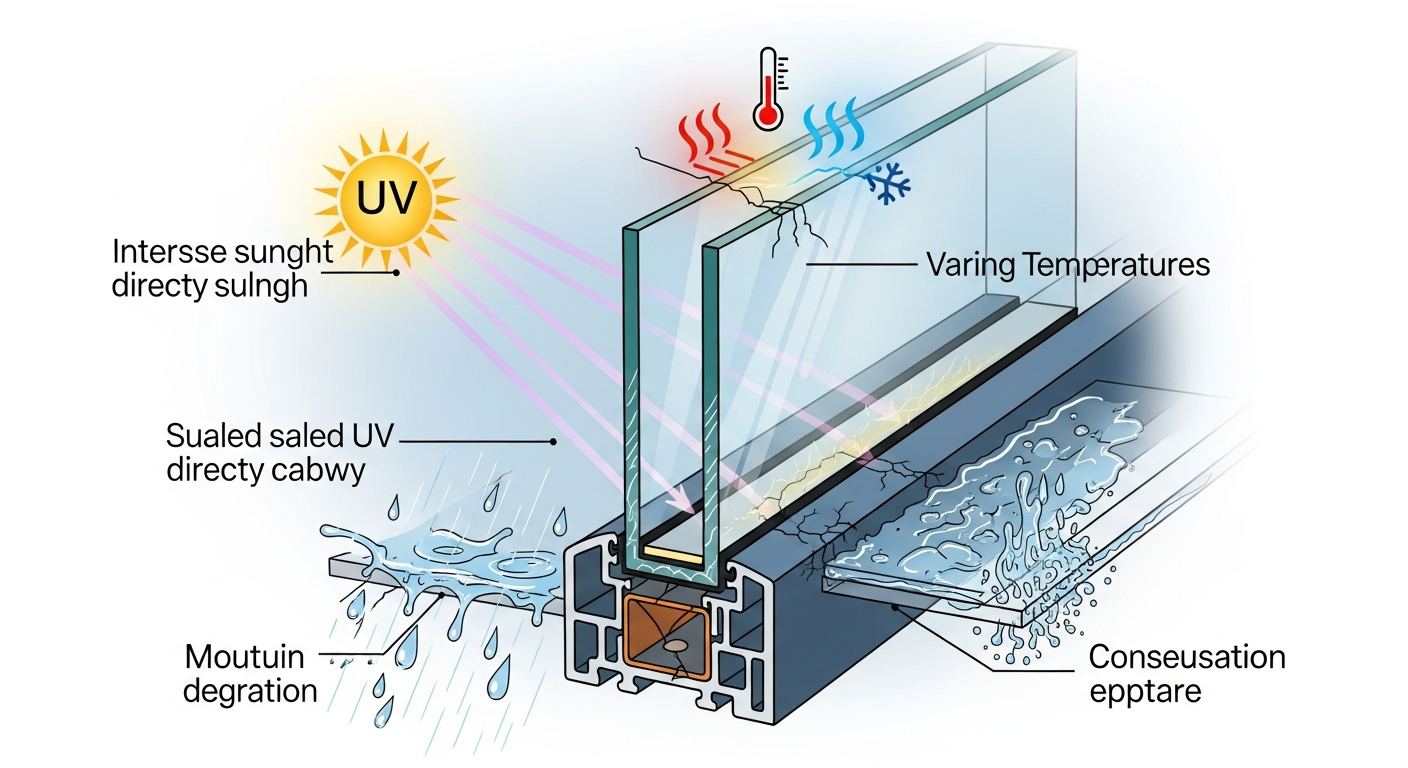
Ultraviolet (UV) Radiation: The Invisible Enemy
UV radiation, while invisible to the human eye, is a potent energy source that triggers photochemical reactions within many glazing components. Its high energy photons can break molecular bonds, leading to significant material changes over time.
- Polymeric Components: Organic materials like sealants, gaskets, and the interlayers in laminated glass (e.g., PVB – polyvinyl butyral or SGP – SentryGlas Plus) are particularly susceptible. UV exposure causes them to cross-link or depolymerize, leading to:
- Discoloration: Yellowing or browning, reducing clarity and aesthetic appeal.
- Embrittlement: Loss of elasticity and flexibility, making seals brittle and prone to cracking.
- Loss of Adhesion: Weakening of the bond between sealant and glass or between glass plies and interlayers, compromising structural integrity and weathersealing.
- Coatings: While most modern low-emissivity (low-e) coatings are designed for durability, prolonged and intense UV exposure can, in rare cases, contribute to their degradation, affecting their thermal performance.
Practical Tip: Specify glazing with UV-resistant interlayers for laminated glass, especially in areas with high sun exposure. Consider low-e coatings that also offer enhanced UV protection to safeguard interior furnishings and occupants.
Thermal Stress and Temperature Fluctuations
Temperature changes, especially rapid and extreme fluctuations, impose significant thermal stress on glazing systems. Materials expand when heated and contract when cooled, and different materials within a glazing assembly (glass, frame, sealants, spacers) have varying coefficients of thermal expansion.
- Expansion and Contraction Cycles: Repeated cycles of heating and cooling create dynamic forces within the window unit. This constant movement strains the perimeter seals of Insulated Glass Units (IGUs) and the interfaces between glass and frame. Over time, this can lead to:
- Sealant Fatigue: Repeated stretching and compression can cause fatigue failure in sealants, leading to cracks or loss of adhesion.
- Frame Damage: Stress transferred to the frame can cause bowing, warping, or even joint separation in less robust systems.
- Thermal Shock: Rapid temperature changes, such as cold rain hitting hot glass, can induce thermal shock. This creates localized stress concentrations, particularly in glass that isn’t heat-strengthened or tempered, increasing the risk of thermal breakage.
- “Pumping” Effect in IGUs: Daily and seasonal temperature swings cause the air or gas within an IGU to expand and contract. This “pumping” action exerts pressure on the seals. If seals are compromised, it can accelerate the loss of inert gas (e.g., argon or krypton) filling the IGU, thereby reducing its U-value and overall thermal performance.
Practical Tip: For optimal IGU performance and longevity, invest in units with high-quality, flexible, and UV-stable sealants. Ensure proper ventilation around windows to minimize extreme localized temperature differentials. Consider heat-strengthened or tempered glass in applications prone to thermal shock.
Moisture, Water, and Chemical Reactions
Water, in its various forms, is a primary driver of degradation, often facilitating chemical reactions and enabling destructive processes.
Moisture Ingress and Condensation
Moisture is a formidable enemy to glazing, particularly for IGUs.
- Inevitable IGU Failure: While modern IGUs are designed to be airtight, no seal is perfect forever. Over time, moisture vapor will inevitably penetrate the perimeter seals, especially if they are degraded by UV or thermal stress. Once inside the IGU cavity:
- Desiccant Saturation: The desiccant material within the spacer bar absorbs moisture to maintain a dry environment. However, once saturated, it can no longer prevent condensation.
- “Fogging”: Water vapor condenses on the interior glass surfaces of the IGU, creating a hazy or “foggy” appearance that obscures vision and is impossible to clean without dismantling the unit. This is a clear indicator of IGU seal failure and significant thermal performance loss.
- Corrosion: Prolonged moisture exposure can lead to chemical reactions with the glass surface, particularly if the glass quality is lower or if alkaline solutions form from pollutants. This can result in irreversible surface damage or “staining.”
- Frame Damage: Constant exposure to moisture can lead to rot in wooden frames, corrosion in steel frames, and mildew growth on vinyl or aluminum, compromising structural integrity and aesthetics.
Chemical Exposure and Pollution
The atmosphere in many urban and industrial areas contains various pollutants that, when combined with moisture, can become highly corrosive to glazing materials.
- Acid Rain: Sulfur dioxide, nitrogen oxides, and other pollutants dissolve in rainwater to form weak acids. These can etch the glass surface over time, leading to a dull or stained appearance. Coatings can also be affected.
- Industrial and Urban Particulates: Dust, soot, and metallic particles can settle on glass surfaces. When wet, these can facilitate electrochemical reactions or create abrasive surfaces if not cleaned properly.
- Cleaning Agents: Ironically, improper cleaning agents can also cause chemical degradation. Harsh acids, strong alkalis, or abrasive cleaners can permanently etch or scratch glass, damage coatings, or degrade sealants.
- Biological Growth: Algae, fungi, and lichen can grow on exterior glass surfaces, especially in damp, shaded areas. While often superficial, their excretions can be acidic and cause staining or etching if left untreated.
Practical Tip: Implement a regular, scheduled cleaning regimen using pH-neutral cleaning solutions and soft cloths. For IGUs showing signs of fogging, replacement is typically the most cost-effective solution for restoring performance. In high-pollution areas, consider specialized glass coatings designed for easier cleaning and enhanced resistance to chemical attack.
Mechanical Stress: Wind, Impact, and Abrasion
Beyond the slow, insidious effects of solar radiation and moisture, glazing also faces direct physical challenges that can lead to immediate or cumulative damage.
Wind Loads and Dynamic Pressure
Wind is not just a gentle breeze; it exerts considerable force on building facades, leading to significant mechanical stress on glazing. Wind pressure can be static (constant push/pull) or dynamic (gusts, turbulence, resonant vibration).
- Flexing and Deflection: Wind pressure causes glass panes to flex inwards or outwards. While glass is designed to tolerate a certain degree of deflection, excessive or repeated flexing can lead to:
- Fatigue: Cumulative stress can weaken the glass structure and perimeter seals over time.
- Breakage: If wind loads exceed the glass’s design strength, catastrophic failure can occur, especially in large panes or those with minor pre-existing flaws.
- Stress on Frames and Anchors: Wind forces are transferred from the glass to the frame and then to the building structure. Weak or improperly anchored frames can deform, leading to poor sealing, water ingress, or even structural failure.
Impact and Abrasion
Glazing is also vulnerable to physical impacts and abrasive forces.
- Hail and Debris: Severe weather events can hurl hailstones, branches, or other debris against windows, causing chips, cracks, or complete breakage.
- Accidental Human Impact: Collisions with people or objects can cause immediate breakage, especially with annealed glass.
- Surface Abrasion: Wind-blown sand, dust, or improper cleaning techniques (e.g., using abrasive pads) can cause microscopic scratches on the glass surface. While small scratches might seem minor, they can reduce optical clarity, affect aesthetic appeal, and create stress points that make the glass more susceptible to breakage from other forces.
Practical Tip: Always specify glass thickness and type (e.g., tempered, heat-strengthened, laminated) appropriate for anticipated wind loads and potential impact risks in your region. Laminated glass, in particular, offers enhanced safety by holding shattered fragments in place, reducing the risk of injury and maintaining the building envelope until replacement.
Proactive Strategies for Enhanced Glazing Longevity
Understanding degradation factors is the first step; implementing proactive strategies is key to extending the service life and maintaining the performance of glazing systems. Thoughtful planning, quality materials, expert installation, and diligent maintenance are paramount.
Material Selection and Design Excellence
- High-Performance Glass:
- Laminated Glass: Utilizes a PVB or SGP interlayer to hold glass together upon impact and offers superior UV protection for interior furnishings.
- Heat-Strengthened/Tempered Glass: Provides increased resistance to thermal shock and mechanical impact.
- Low-Emissivity (Low-E) Coatings: Improve thermal performance and can be selected for specific solar control and UV-blocking properties.
- Self-Cleaning/Protective Coatings: Hydrophobic or hydrophilic coatings can reduce the frequency of cleaning and protect against staining or minor abrasion.
- Durable Sealants and Spacer Systems: Invest in high-quality, dual-seal IGUs with robust, flexible, and UV-resistant primary and secondary sealants. Warm-edge spacer bars reduce thermal bridging at the IGU perimeter, further enhancing thermal performance and reducing stress on seals.
- Frame Material Choice: Select frame materials (aluminum, vinyl, wood, fiberglass, composites) based on their inherent durability, thermal performance, and resistance to environmental factors relevant to the project location.
- Intelligent Glazing Pocket Design: Ensure frames have proper glazing pockets and drainage weep holes to prevent water accumulation around the IGU edge, which is critical for seal longevity.
Installation Excellence: The Unsung Hero
Even the highest quality glazing can fail prematurely if not installed correctly. Proper installation is a critical defense against environmental degradation.
- Skilled Workforce: Employ experienced, certified installers who understand best practices for fenestration installation.
- Manufacturer Guidelines: Adhere strictly to the manufacturer’s recommendations for flashing, sealing, shimming, and anchoring.
- Air and Water Barriers: Ensure seamless integration with the building’s air and water barrier systems to prevent moisture bypass and drafts.
Diligent Maintenance and Monitoring
Regular inspection and proactive maintenance can significantly extend the life of your glazing.
- Routine Cleaning: Use appropriate, non-abrasive cleaners and soft cloths. Address bird droppings or environmental deposits promptly to prevent etching.
- Sealant Inspection: Periodically inspect perimeter sealants and gaskets for cracks, hardening, or loss of adhesion. Address minor issues with re-caulking before they escalate.
- Drainage Checks: Ensure weep holes and drainage channels in window frames are clear of debris to allow water to escape effectively.
- Early Detection: Look for early signs of IGU failure, such as condensation between panes, discoloration, or distortion, and plan for timely replacement to maintain building performance.
Conclusion
Glazing systems are complex, multi-component assemblies that play a vital role in a building’s performance, comfort, and aesthetic appeal. However, they are continuously challenged by a spectrum of environmental stressors, from the insidious effects of UV radiation and temperature fluctuations to the direct impacts of wind and physical abrasion. Understanding these degradation factors – how they affect materials like glass, sealants, and frames – is not merely an academic exercise. It is fundamental to making informed decisions in material selection, system design, installation practices, and ongoing maintenance. By prioritizing high-quality materials, expert installation, and proactive care, we can mitigate the effects of environmental stress, enhance glazing performance, and ensure our windows and facades continue to serve their critical functions for decades to come, contributing to more sustainable and resilient buildings.