
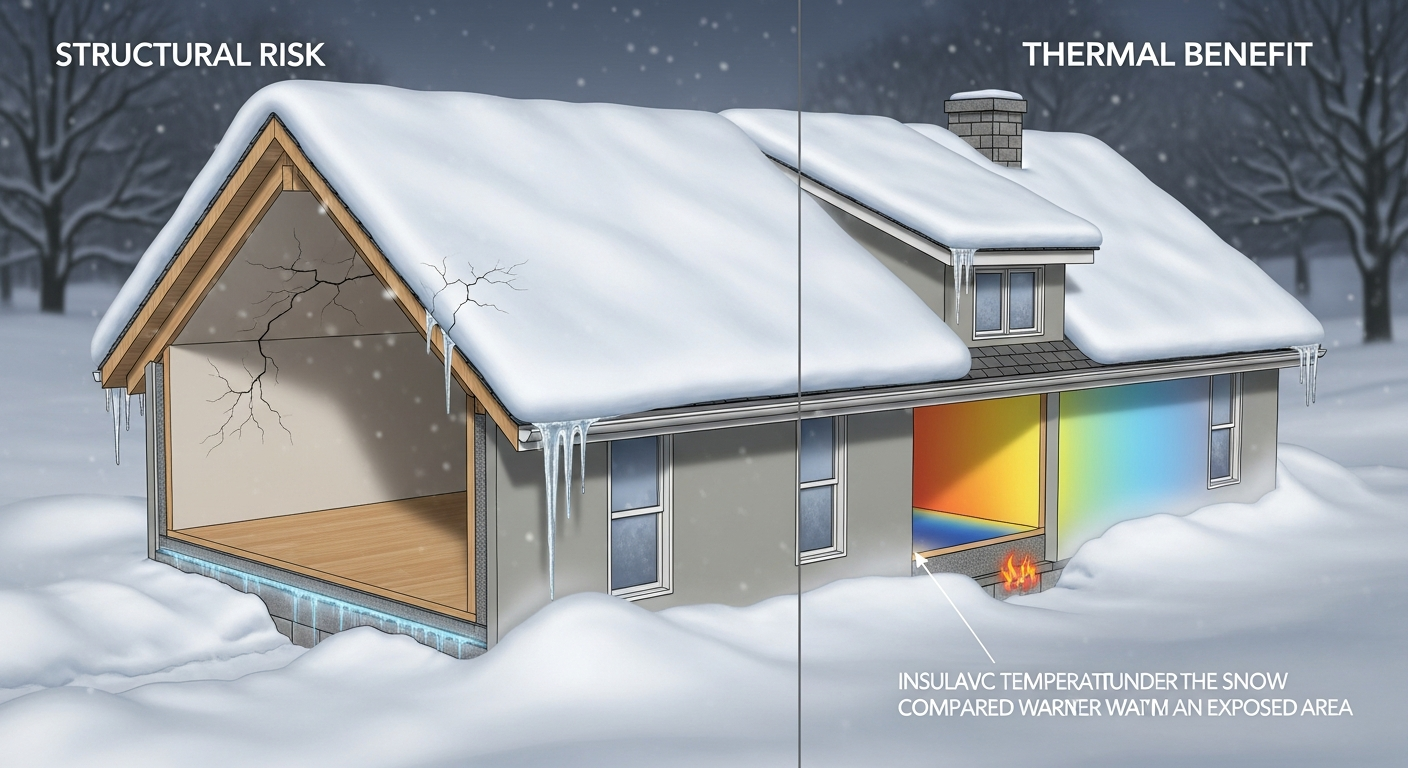
As winter descends, blanketing landscapes in a pristine white, snow transforms our world into a serene wonderland. Yet, beneath its picturesque charm lies a fascinating duality: snow is both a formidable insulator and a significant structural threat. Homeowners, property managers, and even nature itself have long grappled with this paradox. Understanding the insulating power of snow versus its potential for structural damage is not merely an academic exercise; it’s a critical aspect of winter preparedness, property maintenance, and even energy efficiency. This comprehensive guide will delve into the science of snow’s thermal benefits, expose the very real risks its weight poses, and provide actionable insights for safely navigating the snowy season.
The Surprising Science Behind Snow’s Thermal Insulation
Often perceived as merely cold and wet, snow actually possesses remarkable insulating properties that rival many man-made materials. The secret lies not in the ice itself, but in the air it traps. When snowflakes accumulate, their intricate crystalline structures create countless tiny air pockets. Air, being a poor conductor of heat, becomes an excellent insulator when trapped and unable to circulate.
How Snow Creates Thermal Resistance
- Trapped Air Pockets: Each snowflake, with its unique hexagonal design, interlocks with others, forming a porous layer. This porous structure is a network of tiny air spaces.
- Low Thermal Conductivity: Air has a very low thermal conductivity. By trapping this air, snow significantly reduces the transfer of heat from a warmer environment (like inside your home) to a colder one (the outside atmosphere).
- R-Value: The insulating value of materials is measured by their R-value. While variable, fresh, dry snow can have an R-value ranging from R-1 to R-3 per inch. This means a foot of fresh, fluffy snow could offer an R-value of R-12 to R-36, comparable to decent attic insulation!
This natural insulation is a boon for various natural and man-made systems. Animals like arctic foxes and bears burrow into snow to create warm dens for hibernation, protected from freezing temperatures. Farmers often refer to a healthy snow cover as “poor man’s fertilizer” because it insulates the soil, protecting delicate plant roots from deep freezes and promoting spring growth. For homes, a moderate layer of snow on a well-insulated roof can actually reduce heat loss, contributing to energy efficiency and potentially lowering heating bills. This thermal blanket effect helps maintain a more stable temperature within the attic space, minimizing the heat required to keep the interior comfortable.
The Weighty Downside: Structural Risks of Snow Accumulation
While a light dusting of snow might offer thermal advantages, accumulation quickly turns snow into a formidable opponent, posing significant structural risks to buildings. The primary concern is the sheer weight of snow, which can exert immense pressure on roofs and other structures, potentially leading to damage or even catastrophic collapse.
Understanding Snow Loads and Roof Capacity
Every building is designed to withstand a certain “snow load,” which is the maximum weight of snow it can safely support. This load capacity varies significantly based on geographic location, roof design (pitch, materials), and local building codes. Exceeding this load can stress structural components like rafters, trusses, and beams, leading to:
- Roof Collapse: The most extreme and dangerous outcome. Signs of excessive snow load include sagging ceilings, unusual noises (creaking, popping), doors and windows sticking, and visible bowing of roof members from inside the attic.
- Structural Damage: Even without outright collapse, sustained heavy loads can weaken the roof structure over time, leading to cracks, leaks, and accelerated wear.
- Ice Dam Formation: This common winter nemesis occurs when heat escapes through an inadequately insulated or ventilated roof, melting the snow on the upper parts of the roof. This meltwater then flows down to the colder eaves, refreezing into a ridge of ice. As more meltwater accumulates behind this ice dam, it can back up under shingles and into wall cavities, causing significant water damage, rot, mold, and compromising insulation.
- Gutters and Downspouts Damage: Heavy snow and ice can tear gutters away from fascias, bend downspouts, and obstruct drainage, exacerbating ice dam issues.
- Uneven Loading: Wind can cause snow to drift, creating deep accumulations on one side of the roof or in specific areas (e.g., valleys, against parapet walls). This uneven distribution can concentrate weight in ways the roof structure isn’t designed to handle, increasing localized stress points.
The Deceptive Weight of Snow
Not all snow is created equal when it comes to weight. This is a crucial distinction for safety:
- Light, Fluffy Snow: Fresh, dry snow can weigh as little as 3 pounds per cubic foot. A foot of this snow might only exert 30 pounds per square foot (psf) on a roof.
- Wet, Heavy Snow: Snow with high moisture content can weigh 10-20 pounds per cubic foot, meaning a foot could be 100-200 psf.
- Ice: One cubic foot of ice weighs approximately 57 pounds. When snow melts and refreezes, its density and weight skyrocket, dramatically increasing the load on a roof. An inch of ice is equivalent to nearly a foot of fresh, powdery snow in terms of weight.
Compacted, older snow or snow that has partially melted and refrozen can be incredibly heavy, far exceeding the capacity of many residential roofs. It’s not just the depth, but the *type* of snow that matters most.
Navigating the Balance: When to Embrace, When to Evict Snow
Given snow’s dual nature, the critical question arises: when should you let the insulating blanket remain, and when is it prudent to remove it? The answer is nuanced, depending on several factors related to your property and local conditions.
Factors Influencing Your Decision
- Roof Type and Pitch: Steeper roofs (high pitch) naturally shed snow more effectively than low-slope or flat roofs. Flat roofs are particularly susceptible to heavy snow loads and require diligent monitoring. Older roofs or those with known structural weaknesses may have a lower tolerance.
- Snow Type and Accumulation: A few inches of dry, fluffy snow on a well-built, sloped roof might offer thermal benefits without significant risk. However, heavy, wet snow, or accumulations exceeding 6-12 inches (depending on roof design and density), almost always warrant removal.
- Building Codes and Local Guidelines: Your local municipality will have specific building codes dictating required snow load capacities. Familiarize yourself with these and any advisories issued during heavy snowfall.
- Attic Ventilation and Insulation: Homes with excellent attic ventilation and robust insulation are less prone to ice dam formation. In such cases, a moderate snow cover can simply act as an additional insulating layer. Poorly insulated or ventilated attics, however, will melt snow from below, making them prime candidates for ice dams even with lighter snowfalls.
- Ice Dam History: If your home has a history of ice dams, proactive snow removal from the eaves is crucial, regardless of the overall snow depth.
The “Sweet Spot” for Thermal Benefit: Generally, a few inches of light, dry snow (up to 6 inches, depending on roof design and local climate) can contribute to your home’s thermal envelope without posing an immediate structural threat. This layer effectively traps air and slows heat transfer, helping to maintain a stable temperature in your attic and reduce heat loss through the roof.
When Removal Becomes Imperative:
- When total snow depth approaches or exceeds 6-12 inches of wet, heavy snow.
- When you notice signs of structural stress (sagging ceilings, stuck doors, unusual noises).
- If significant ice damming is occurring or imminent, especially over entryways or critical areas.
- After prolonged periods of freezing and thawing, which increases snow density and weight.
- If your roof is flat or low-sloped, these designs are more vulnerable to accumulating large, dangerous snow loads.
Practical Strategies for Safe Snow Management
Proactive and safe snow management is key to mitigating risks while potentially harnessing snow’s thermal advantages. Here are actionable tips to ensure your property remains safe and efficient throughout the winter months.
Before Winter Arrives: Preventative Measures
- Inspect Your Roof: Before the first snowfall, have your roof inspected for any existing damage, loose shingles, or vulnerabilities. Ensure gutters are clean and securely attached.
- Optimize Attic Ventilation and Insulation: A well-ventilated attic with adequate insulation is your best defense against ice dams. Proper insulation prevents heat from escaping into the attic, while ventilation helps keep the attic space cold, minimizing snow melt on the roof. Seal any air leaks from the living space into the attic.
- Trim Overhanging Branches: Remove any tree branches that could fall onto your roof under the weight of snow and ice.
During Snowfall: Monitoring and Safe Removal
- Monitor Snow Depth and Type: Keep track of how much snow has accumulated and pay close attention to its density. Heavy, wet snow and ice are far more dangerous than light, fluffy powder.
- Know Your Roof’s Capacity: If possible, determine your roof’s design snow load. While this might require consulting building plans or a structural engineer, understanding its limits is crucial.
- Use a Roof Rake Safely: For moderate snow accumulation (and if safe to do so from the ground), a long-handled roof rake can be an effective tool.
- Stay on the Ground: Never climb onto a snow-covered or icy roof yourself. This is extremely dangerous.
- Clear Eaves: Focus on removing snow from the first few feet of the roof, especially above the eaves, to prevent ice dam formation.
- Avoid Damage: Use plastic or rubber-headed rakes to avoid damaging shingles.
- Clear Vents and Chimneys: Ensure snow doesn’t block attic vents, exhaust vents, or chimneys.
- Recognize Warning Signs: Be vigilant for signs of excessive snow load, such as sagging ceilings, new cracks in walls or ceilings, sticking doors or windows, and loud creaking or popping sounds coming from the roof structure. If you observe these, evacuate immediately and call emergency services.
- Professional Snow Removal: For heavy snow loads, steep roofs, or if you’re uncomfortable performing the task yourself, hire a professional snow removal service. They have the proper equipment, training, and insurance to safely remove snow without damaging your roof or risking injury. This is an investment in your safety and property integrity.
- Emergency Preparedness: Have an emergency plan in place in case of a significant snow event or roof damage. Know where your main water shut-off valve is and have contact information for emergency services and contractors readily available.
Conclusion
The insulating power of snow is a marvel of nature, offering thermal benefits that can enhance energy efficiency and protect natural ecosystems. However, its aesthetic charm belies a significant structural threat when it accumulates in large, heavy quantities. Navigating the winter season safely requires a clear understanding of this duality. By recognizing when snow is a benign insulator and when it becomes a dangerous burden, homeowners and property managers can make informed decisions. Proactive maintenance, diligent monitoring, and safe removal techniques are not just recommended; they are essential for preserving the integrity of your home and ensuring the safety of its occupants. Embrace the beauty of winter, but always respect the power and potential peril of its most iconic element.