
Acrylic glazing, known for its exceptional clarity, impact resistance, and lightweight properties, has revolutionized countless applications, from architectural designs and retail displays to aerospace components and medical devices. While its immediate advantages over traditional glass are widely recognized, the true measure of its value lies in its longevity. For specifiers, engineers, and end-users alike, understanding the factors that contribute to or detract from acrylic’s long-term performance is paramount. This comprehensive guide delves into two critical aspects of acrylic’s endurance: its inherent chemical resistance and the elements that influence its optical clarity over time, ensuring your investment in this versatile material stands the test of time.
Understanding Acrylic Glazing: More Than Just a Polymer
At its core, acrylic glazing is made from polymethyl methacrylate (PMMA), a thermoplastic polymer renowned for its glass-like transparency and impressive strength-to-weight ratio. Often marketed under brand names like Plexiglas, Lucite, or Perspex, PMMA offers a suite of properties that make it a preferred choice for many demanding applications:
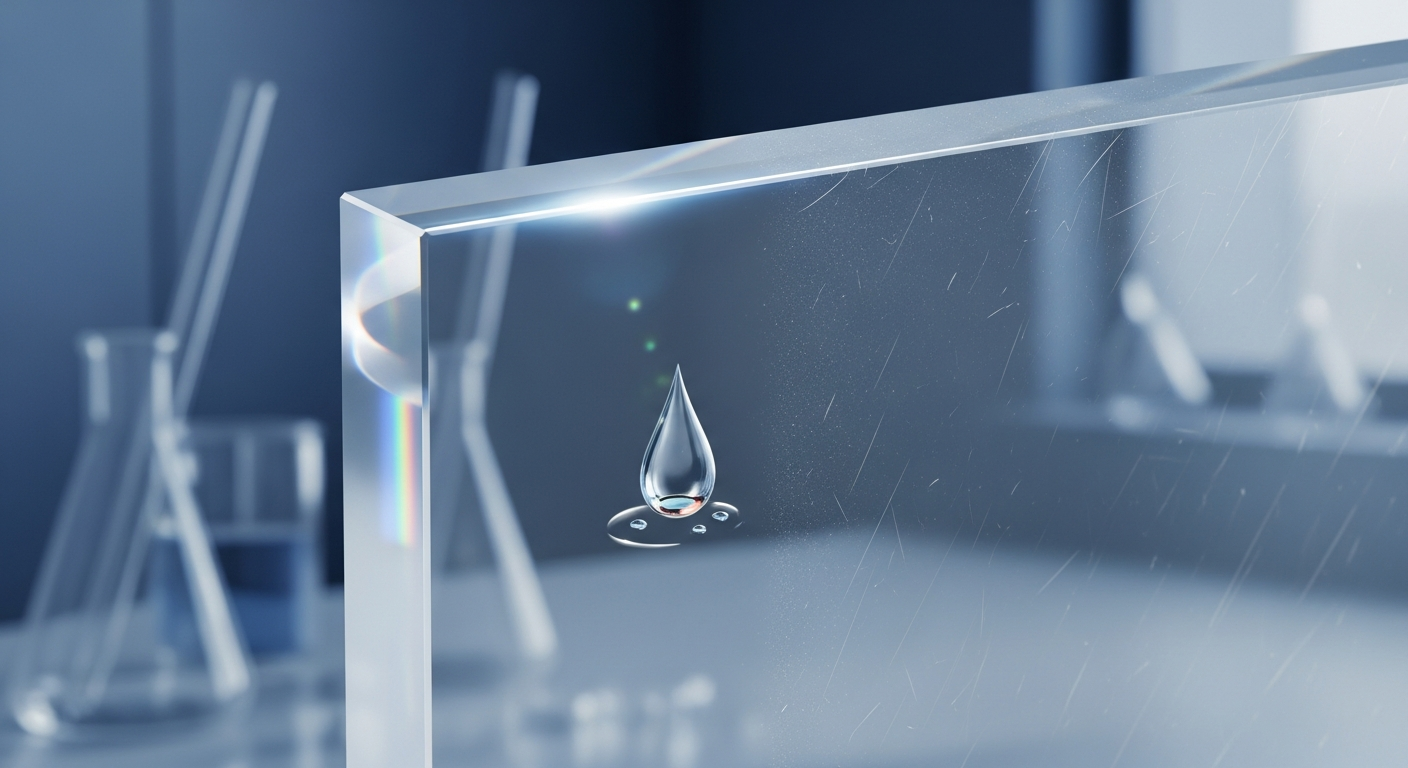
- Optical Clarity: With light transmittance often exceeding 92%, acrylic surpasses most types of glass in clarity.
- Impact Resistance: It’s significantly more shatter-resistant than glass, making it safer in environments where breakage is a concern.
- Lightweight: Approximately half the weight of glass, easing installation and reducing structural load.
- Design Versatility: Easily thermoformed, machined, and bonded, allowing for complex shapes and designs.
However, like all materials, acrylic has specific characteristics that dictate its long-term performance. Its molecular structure, while robust in many ways, can be susceptible to certain environmental and chemical stressors. Proactive understanding and management of these factors are key to maximizing its lifespan and preserving its aesthetic and functional qualities.
The Critical Role of Chemical Resistance in Acrylic Longevity
Chemical resistance refers to a material’s ability to withstand exposure to various chemicals without significant degradation, such as softening, discoloration, hazing, crazing, or loss of mechanical strength. For acrylic glazing, understanding its chemical compatibility is non-negotiable, particularly in environments where it may come into contact with cleaning agents, industrial solvents, or specific atmospheric pollutants.
Understanding Acrylic’s Vulnerabilities
While acrylic generally boasts good resistance to many common substances, certain chemicals can cause significant damage. The most common threats include:
- Aromatic Hydrocarbons: Such as benzene, toluene, and xylene, often found in paints, adhesives, and industrial solvents. These can cause immediate softening and crazing.
- Chlorinated Hydrocarbons: Like methylene chloride or chloroform, used in some degreasers and adhesives, are potent solvents for acrylic and can lead to rapid dissolution or severe stress cracking.
- Ketones and Esters: Acetone (nail polish remover), methyl ethyl ketone (MEK), and ethyl acetate can quickly attack the acrylic surface, causing hazing, softening, and crazing.
- Alcohols: Isopropyl alcohol (rubbing alcohol) and ethanol, commonly found in disinfectants and cleaners, can cause surface crazing and micro-fractures, especially under stress. While often used for wiping, prolonged contact or highly concentrated solutions should be avoided.
- Strong Acids and Bases: While acrylic shows fair resistance to dilute acids and bases, highly concentrated solutions, especially at elevated temperatures, can lead to surface etching, hazing, or even degradation of the polymer chain over extended exposure.
Practical Tips for Chemical Resistance
To preserve the integrity and longevity of your acrylic glazing:
- Always Check Compatibility: Before applying any cleaning solution, adhesive, or coating, verify its compatibility with acrylic. If unsure, perform a test on an inconspicuous area or a scrap piece.
- Use Acrylic-Specific Cleaners: Opt for cleaners explicitly formulated for acrylic. These are typically pH-neutral and free from harsh solvents or abrasives.
- Avoid Harsh Solvents: Keep acrylic away from contact with aromatic, chlorinated, and ketone-based solvents. Even fumes can sometimes cause stress cracking in highly stressed areas.
- Rinse Thoroughly: After cleaning, rinse the acrylic surface with clean water to remove any residual cleaning agents, which could otherwise dry and leave behind corrosive residues.
- Protect from Spills: In industrial or laboratory settings, design systems to prevent accidental spills or splashes of incompatible chemicals onto acrylic surfaces.
Preserving Pristine Clarity: Factors Beyond Chemicals
Beyond chemical attack, several environmental and physical factors can compromise acrylic’s renowned clarity and overall aesthetic appeal over its service life. Proactive measures against these elements are vital for maintaining optical performance.
UV Radiation and Yellowing
One of the most common concerns for acrylic in outdoor or sun-exposed applications is ultraviolet (UV) radiation. Standard, unprotected acrylic can undergo a process called photo-oxidation when exposed to prolonged UV light. This process breaks down the polymer chains, leading to:
- Yellowing: The material gradually acquires a yellowish tint, reducing its pristine clarity.
- Brittleness: The material can become more brittle and prone to cracking over time.
- Reduced Strength: Mechanical properties can diminish, affecting overall durability.
Actionable Advice: For any application exposed to direct sunlight or harsh UV light, always specify UV-stabilized acrylic grades. These materials incorporate special additives that absorb UV radiation, effectively shielding the polymer from degradation and significantly extending its clarity and mechanical life. Alternatively, UV-blocking films or coatings can be applied, though factory-integrated UV stabilization often offers superior long-term performance.
Abrasion and Scratch Resistance
While impact resistant, acrylic is softer than glass and therefore more susceptible to scratching. Micro-scratches accumulate over time from improper cleaning, dust, or abrasive contact, leading to a dull, hazy appearance that diminishes optical clarity. This phenomenon is often referred to as “hazing” due to surface marring.
Actionable Advice:
- Specify Hard-Coated Acrylic: For applications requiring superior scratch resistance (e.g., public displays, high-traffic areas, or frequent cleaning), opt for acrylic sheets treated with hard coatings. These proprietary coatings significantly increase surface hardness, approaching that of glass in some cases, without compromising optical clarity.
- Proper Cleaning Techniques: Always use a soft, lint-free microfiber cloth and plenty of water or an acrylic-specific cleaner. Avoid dry wiping, which can drag abrasive dust particles across the surface. Never use paper towels or abrasive pads.
- Protective Measures: In high-risk environments, consider protective barriers or sacrificial films that can be replaced if scratched.
Thermal Expansion and Environmental Stress
Acrylic has a relatively high coefficient of thermal expansion compared to glass or metals. This means it expands and contracts more significantly with temperature fluctuations. If not properly accommodated during installation, these dimensional changes can induce stress in the material, leading to:
- Bowing or Warping: Especially in large panels.
- Cracking: Stress cracks can form around fasteners or edges if the material is constrained.
- Compromised Seals: Movement can break seals, leading to moisture ingress.
Actionable Advice:
- Allow for Expansion: When installing acrylic, ensure there’s adequate clearance in channels, frames, or around fasteners to allow for thermal movement. Refer to manufacturer guidelines for recommended expansion gaps.
- Use Flexible Gaskets: Employing flexible, non-curing gaskets or sealants (e.g., silicone designed for plastics) can accommodate movement while maintaining a weather-tight seal.
- Avoid Over-Tightening: Do not over-tighten screws or bolts, as this can create localized stress points that are prone to cracking. Use oversized holes and shoulder washers for best practice.
Maximizing the Lifespan of Your Acrylic Glazing: Practical Strategies
Achieving optimal longevity for acrylic glazing is a synergistic effort involving careful material selection, meticulous installation, and diligent ongoing maintenance.
Material Selection and Specification
- UV-Stabilized Grades: Always prioritize UV-stabilized acrylic for outdoor or sun-exposed applications to prevent yellowing and embrittlement.
- Hard-Coated Acrylic: For scratch-prone environments, invest in hard-coated options to maintain clarity and aesthetics.
- Cast vs. Extruded: While both are PMMA, cast acrylic generally offers slightly superior chemical resistance, optical clarity, and thermal stability compared to extruded acrylic, though extruded is more cost-effective for many applications. Understand your project’s specific needs.
- Specific Chemical Resistance: If the application involves known chemical exposures, consult manufacturers’ chemical resistance charts to select the most appropriate grade or polymer type.
Cleaning and Maintenance Protocols
- Gentle Cleaning: Use only mild soap and lukewarm water or a specialized acrylic cleaner. Apply with a soft, non-abrasive microfiber cloth.
- Wet Wiping: Always wet the surface generously before wiping to lubricate and loosen dirt particles, minimizing the risk of scratching.
- Avoid Abrasives: Never use abrasive cleaners, scouring pads, paper towels, or cloths that could scratch the surface.
- Disinfection: For sanitization, use dilute solutions of specific disinfectants that are known to be acrylic-safe. Test in an inconspicuous area first.
- Prompt Spill Cleanup: Immediately wipe away any chemical spills with a soft cloth and plenty of water.
Protective and Performance-Enhancing Coatings
Beyond hard coats and UV stabilizers, other coatings can further enhance acrylic’s longevity and performance:
- Anti-Static Coatings: Reduce dust attraction, making cleaning easier and less frequent.
- Anti-Glare/Anti-Reflective Coatings: Improve optical performance in specific lighting conditions without compromising durability.
- Anti-Fog Coatings: Useful in high-humidity environments where condensation can obscure vision.
By making informed choices at the design and specification stage and committing to proper care throughout its service life, acrylic glazing can maintain its pristine clarity and structural integrity for decades.
Conclusion
The longevity of acrylic glazing is not merely a testament to the material itself, but also to the informed decisions made by those who specify, install, and maintain it. Its exceptional optical clarity and inherent strength offer significant advantages over traditional materials, but its long-term performance hinges on a clear understanding of its chemical resistance and susceptibility to environmental factors. By meticulously selecting UV-stabilized and hard-coated grades, adhering to proper installation practices that account for thermal expansion, and implementing diligent, acrylic-specific cleaning and maintenance routines, you can ensure that your acrylic glazing retains its beautiful appearance and functional superiority for many years. Embracing these strategies transforms acrylic from a mere alternative into a truly enduring and valuable investment.