
In the intricate world of horticulture, light is not merely illumination; it is the fundamental energy source that drives plant life. Growers have long understood the critical role of light intensity and duration, but an often-underestimated aspect is the quality of light, particularly its diffusion. Imagine a plant canopy, dense and lush, where sunlight struggles to penetrate beyond the uppermost leaves. This common scenario limits the photosynthetic potential of lower leaves, hindering overall plant growth and ultimately impacting crop yields. Enter diffused light – a game-changer for modern agriculture. This comprehensive guide will explore the profound impact of diffused light on enhancing canopy penetration and significantly boosting crop productivity, offering insights and practical strategies for cultivators aiming for superior results.
Understanding Light: Direct vs. Diffused
To fully appreciate the benefits of diffused light, it’s essential to first differentiate it from direct light and understand how each interacts with a plant canopy.
The Nature of Direct Light
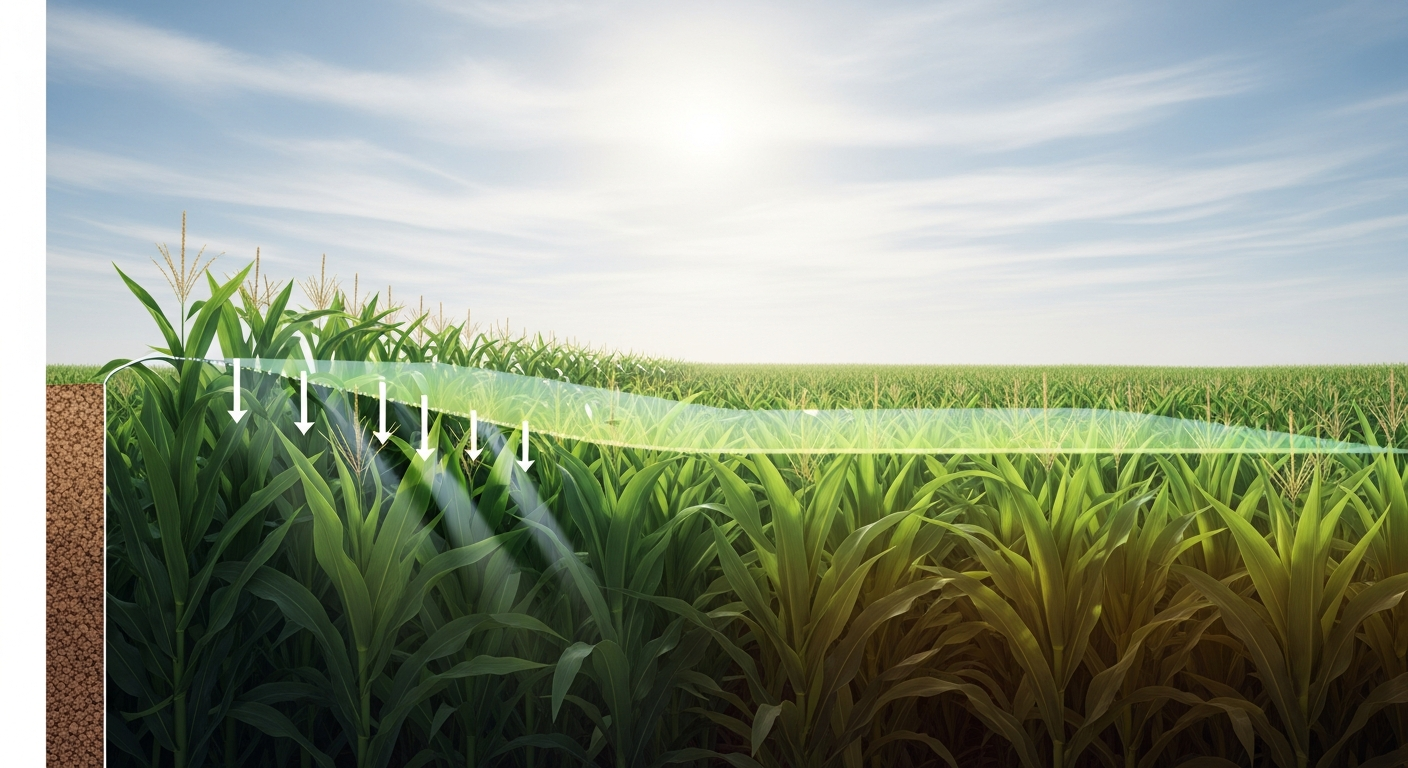
Direct light, often characterized by clear skies and unobstructed sunbeams, travels in straight lines. While powerful, its straight-line trajectory can be a double-edged sword in a dense plant canopy. When direct sunlight hits the top leaves, it creates distinct patterns of intense light and deep shadow. The uppermost leaves can experience saturation, where they receive more light than they can efficiently process, potentially leading to photoinhibition or heat stress. Meanwhile, leaves deeper within the canopy receive very little direct light, often relying on what filters through or reflects from upper leaves, leading to reduced photosynthetic activity.
- Pros: High intensity, abundant energy.
- Cons: Uneven distribution, potential for hot spots, significant shading of lower canopy.
The Power of Diffused Light
Diffused light, in contrast, is scattered light. Think of a cloudy day or light passing through frosted glass; the light waves are dispersed in multiple directions rather than traveling in a single beam. In horticulture, this scattering can be achieved naturally (e.g., cloudy weather) or artificially (e.g., through specialized greenhouse glazings or diffusers). The key characteristic of diffused light is its ability to penetrate deeper and more uniformly into the plant canopy. Instead of sharp shadows and intense hotspots, diffused light creates a more homogenous light environment throughout the entire plant structure.
- Pros: Uniform distribution, deeper canopy penetration, reduced stress.
- Cons: Potentially lower peak intensity in specific spots compared to direct sunlight, though overall PAR integral often improves.
How Diffused Light Transforms Canopy Penetration
The primary advantage of diffused light lies in its superior ability to permeate the entire plant canopy, leading to a cascade of physiological benefits for crops.
Overcoming Shading Effects
In a typical crop row, especially with dense foliage, upper leaves invariably cast shadows on those below. Direct light exacerbates this, creating sharply defined shaded areas where photosynthesis is severely limited. Diffused light, by scattering and redirecting light rays from various angles, effectively “wraps” around the upper leaves. This means that even leaves positioned beneath others receive a significant amount of scattered light, rather than being plunged into deep shade. The result is a more evenly illuminated canopy, from top to bottom.
Enhancing Lower Leaf Photosynthesis
Lower leaves in a plant canopy are often the least productive due to insufficient light. By improving light distribution and canopy penetration, diffused light significantly boosts the photosynthetic activity of these previously underperforming leaves. When lower leaves can photosynthesize more effectively, the plant’s overall energy production increases. This enhanced efficiency throughout the entire canopy translates directly into more sugars and energy for growth, leading to larger, healthier plants.
Reducing Hot Spots and Stress
Direct sunlight, particularly in greenhouses, can create intense hot spots on the uppermost leaves, leading to elevated leaf temperatures, increased transpiration, and even localized tissue damage. This stress diverts plant energy away from growth and towards protective mechanisms. Diffused light, by spreading the light energy more evenly, mitigates these hot spots, lowering leaf temperatures and reducing heat stress. This creates a more stable and favorable microclimate within the canopy, allowing plants to allocate more energy towards productive processes like biomass accumulation and fruit development.
The Tangible Impact on Crop Yields and Quality
The scientific principles behind diffused light ultimately converge on one crucial metric for growers: improved crop yields and enhanced quality.
Increased Biomass and Fruit Production
The cumulative effect of deeper canopy penetration, enhanced lower leaf photosynthesis, and reduced plant stress is a significant increase in overall plant biomass. More photosynthetic activity across a greater leaf area means more energy production for growth. Studies across various crops, including tomatoes, cucumbers, and peppers, have consistently shown that cultivating under diffused light can lead to higher total yields, often by 5-15% or even more. This isn’t just about bigger plants; it translates to more fruits, larger fruits, and a greater total harvest weight, directly impacting a grower’s bottom line.
Improved Crop Uniformity
When light is distributed unevenly, different plants or even different parts of the same plant grow at varying rates. This can lead to non-uniform harvests, where some fruits ripen earlier or are larger than others. Diffused light promotes more consistent growth across the entire crop area. By ensuring that all plants, and all parts of each plant, receive adequate light, it fosters greater uniformity in size, shape, and maturity. This improved uniformity simplifies harvesting, reduces post-harvest sorting, and can enhance market value.
Better Resource Use Efficiency
Plants grown under optimized light conditions, including diffused light, are often more efficient in their use of other vital resources like water and nutrients. When photosynthesis is maximized throughout the canopy, plants can more effectively convert water and nutrients into biomass. This can lead to a higher “yield per input” ratio, making growing operations more sustainable and potentially reducing input costs over time. Furthermore, by reducing heat stress, plants require less water for evaporative cooling, conserving a precious resource.
Implementing Diffused Light Strategies in Your Grow
Adopting diffused light doesn’t require a complete overhaul of your growing system, but rather strategic considerations and material choices. Here are practical tips for incorporating diffused light into your horticultural practice:
Choosing the Right Glazing Materials
For greenhouse growers, the choice of glazing material is paramount. Traditional clear glass or film provides direct light. However, many modern glazing options are specifically designed to diffuse light. These include:
- Diffused Polycarbonate Panels: These multi-wall sheets often incorporate light-scattering additives or surface textures that break up direct sunlight. They offer good insulation and durability.
- Diffused Polyethylene Films: Specialized greenhouse films are available with diffusion properties. These are generally more cost-effective and allow for easy retrofitting of existing structures.
- Frosted or Textured Glass: While less common for new builds due to cost, frosted or textured glass panels can also provide significant light diffusion.
When selecting materials, consider the level of haze (how much light is scattered) and total light transmission (how much light passes through). A good balance is often achieved with materials offering high light transmission and a significant haze factor (e.g., 60-80%).
Optimizing Supplemental Lighting
Even with optimal natural light, supplemental grow lights are often necessary, especially in indoor farms or during shorter daylight hours. The placement and type of grow lights can influence light diffusion:
- Reflectors and Optics: Choose grow lights with reflectors or lenses designed to spread light rather than focus it into narrow beams.
- LED Fixture Design: Many modern LED grow light fixtures are designed with multiple diodes and secondary optics that inherently produce a more diffused light footprint compared to older HID lamps with single intense bulbs.
- Hanging Height: Adjusting the hanging height of your grow lights can impact the spread and intensity of light. Experiment with heights to achieve the most uniform canopy illumination.
- Light Movers: Oscillating light movers can help distribute light more evenly over a larger area, simulating a form of temporal diffusion.
Considering Light Diffusers and Screens
For existing structures or to fine-tune light conditions, external or internal diffusers can be employed:
- Shade Cloths with Diffusion Properties: Some shade cloths are designed not just to block light, but also to scatter the light that passes through them, providing a dual benefit.
- Internal Diffuser Screens: Fine mesh screens or specialized translucent materials can be installed beneath the glazing to further diffuse incoming sunlight. These can be particularly useful in areas prone to very intense direct sun.
- White Surfaces: Painting interior walls, floors, and benches white can significantly increase the reflection and scattering of light within the growing environment, effectively turning direct light into diffused light as it bounces around.
Always monitor your crop’s response when implementing new diffused light strategies. Observe plant vigor, leaf color, growth rate, and yield to fine-tune your approach for optimal results.
The transition from understanding to implementation can unlock significant benefits. By consciously manipulating light quality to favor diffusion, growers can create an environment where every leaf, from the top of the canopy to the very bottom, contributes meaningfully to the plant’s overall health and productivity.
In conclusion, the impact of diffused light on crop yields and canopy penetration is a scientifically proven and increasingly adopted strategy in advanced horticulture. By scattering direct light, diffused light overcomes shading effects, dramatically improves light penetration into the lower canopy, and reduces plant stress from hotspots. These benefits collectively lead to enhanced photosynthesis throughout the entire plant, resulting in higher biomass accumulation, increased fruit production, and greater crop uniformity. For growers looking to maximize their productivity and cultivate healthier, more robust plants, embracing diffused light technology—whether through specialized glazing, optimized supplemental lighting, or strategic diffusers—represents a powerful pathway to achieving superior agricultural outcomes. It’s not just about more light; it’s about better light, distributed intelligently to nourish every part of the plant.