
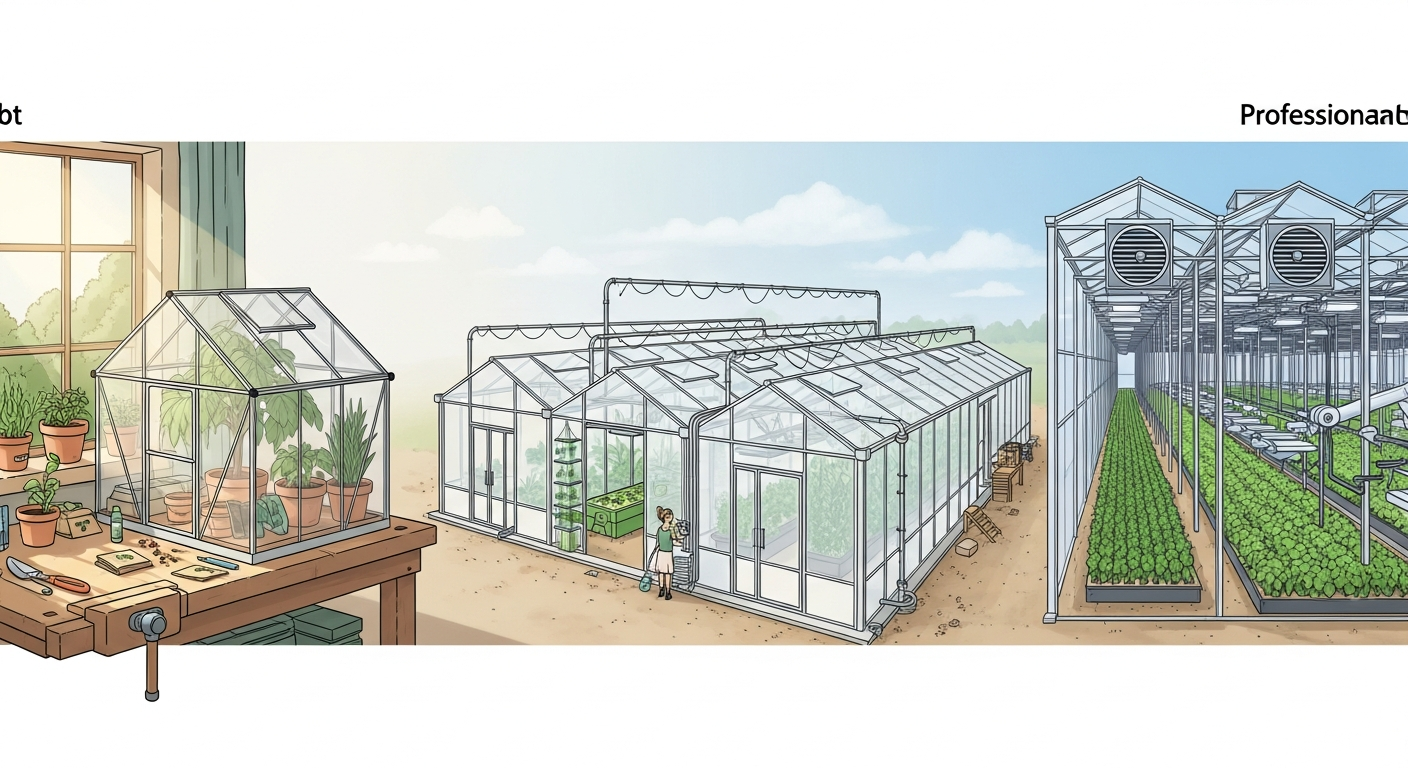
The journey from a passionate gardener tending a small backyard greenhouse to a professional cultivator managing a sprawling commercial greenhouse hub is one of ambition, strategic planning, and significant evolution. What begins as a fulfilling hobby can blossom into a thriving enterprise, but the path to scalability is rarely straightforward. It demands a fundamental shift in mindset, substantial investment in infrastructure, adoption of advanced technology, and a meticulous approach to operations. This article delves into the intricacies of scaling greenhouse operations, offering comprehensive insights and practical advice for those looking to transform their green thumb into a green business, ensuring sustainable growth from a modest setup to a robust professional venture.
Laying the Foundation: From Hobbyist Passion to Business Acumen
The first and most critical step in scaling a greenhouse operation is making the mental leap from a hobbyist’s passion project to a strategic business enterprise. This transition requires a keen understanding of market dynamics, robust financial planning, and a clear vision for growth.
Market Research and Niche Identification
Before even considering larger structures or advanced systems, a thorough understanding of your target market is paramount. What crops are in demand? Are there underserved niches you can fill? Consider factors like:
- Local Demand: Are restaurants, farmers’ markets, or local grocery stores seeking specific produce, herbs, or ornamental plants?
- Crop Viability: Which crops offer the best return on investment for your region’s climate and energy costs? Focus on high-value crops or those with consistent demand.
- Competition: Identify existing competitors and differentiate your offering through unique varieties, superior quality, sustainable practices, or innovative delivery methods.
- Year-Round Production: Professional greenhouse hubs often aim for consistent, year-round production, necessitating careful crop selection and environmental control strategies.
Identifying your niche early allows you to tailor your greenhouse design, technology, and marketing efforts, providing a clear competitive advantage as you scale.
Developing a Robust Business Plan
A comprehensive business plan is your roadmap to success. It moves beyond simple projections and delves into every facet of your future operation. Key components include:
- Executive Summary: A concise overview of your business, goals, and strategies.
- Company Description: Your vision, mission, and unique value proposition.
- Market Analysis: Detailed findings from your market research, including target audience, market size, and competitive landscape.
- Organization and Management: Legal structure, management team, and staffing needs as you grow.
- Service or Product Line: Specific crops, cultivation methods, and product packaging.
- Marketing and Sales Strategy: How you will reach customers, pricing, promotion, and distribution channels.
- Funding Request: If seeking investment, detail your financial needs, how funds will be used, and projected returns.
- Financial Projections: Crucial for scalability, including startup costs, operating expenses, revenue forecasts, cash flow analysis, and break-even analysis for different production capacities.
This plan will be a living document, evolving as your greenhouse hub grows, but its initial creation is critical for securing funding and guiding strategic decisions.
Legal and Regulatory Compliance
Transitioning to a professional setup involves navigating a complex web of legal and regulatory requirements. These can include:
- Business Registration: Choosing the right legal entity (e.g., LLC, Corporation).
- Zoning and Land Use: Ensuring your chosen location is zoned for commercial agricultural operations and understanding any limitations on expansion.
- Permits and Licenses: Building permits for new structures, water usage permits, environmental impact assessments, and potentially specific agricultural licenses.
- Labor Laws: As you hire staff, compliance with wage laws, safety regulations, and employment contracts becomes crucial.
- Food Safety Standards: For edible crops, adherence to local and national food safety regulations (e.g., GAP certification in the US) is non-negotiable for market access.
Proactive engagement with legal counsel and local authorities can prevent costly delays and ensure smooth expansion.
Infrastructure and Technology for Scalable Growth
The physical manifestation of a professional greenhouse hub demands sophisticated infrastructure and advanced technology. These elements are not just about increasing size but about optimizing efficiency, control, and yield.
Greenhouse Design and Construction for Expansion
Scalability must be baked into the very design of your greenhouse. When planning, consider:
- Modular Construction: This approach allows you to add sections or bays incrementally, spreading investment over time and adapting to market demand. It makes future greenhouse expansion less disruptive.
- Optimal Layout: Design for efficient workflow, material handling, and future automation integration. Wide aisles, designated packing areas, and easy access for maintenance are crucial.
- Material Selection: Opt for durable, energy-efficient glazing (e.g., polycarbonate, double-pane glass) and robust structural materials that can withstand local weather conditions and last for decades.
- Site Preparation: Ensure proper grading, drainage, and access to utilities (water, electricity, gas) that can support current and future demands.
Building with an eye toward eventual growth saves significant retrofitting costs down the line and facilitates seamless transitions to larger production volumes.
Advanced Environmental Control Systems
Unlike a hobby greenhouse, a professional commercial greenhouse setup relies heavily on precise environmental control to maximize yields and minimize energy waste. Key systems include:
- Climate Control Automation: Integrated systems that manage temperature, humidity, CO2 levels, and ventilation automatically. These systems often feature sensors that feed data into a central computer, allowing for real-time adjustments and remote monitoring.
- Heating and Cooling: Efficient systems such as boilers, heat pumps, or forced-air heaters for heating, and pad-and-fan systems or natural ventilation for cooling. Consider geothermal or biomass options for sustainability and long-term cost savings.
- Shading and Blackout Systems: Automated screens that control light intensity, reduce heat load, or provide complete darkness for photoperiod-sensitive crops.
Investing in these systems is not merely a luxury; it’s a necessity for consistent, high-quality production and optimized resource use in a large-scale operation.
Irrigation and Nutrient Delivery Systems
Water and nutrient management become critical as the number of plants increases. Manual watering is no longer feasible. Scalable solutions include:
- Automated Drip Irrigation: Delivers water and nutrients directly to the plant roots, minimizing waste and ensuring precise delivery.
- Hydroponic and Aeroponic Systems: For many crops, these soilless cultivation methods offer faster growth, higher yields per square foot, and precise nutrient control, making them ideal for high-density, hydroponics scalability and aeroponics scalability in a greenhouse hub.
- Nutrient Film Technique (NFT) and Deep Water Culture (DWC): Common hydroponic systems that can be scaled effectively.
- Recirculating Systems: Crucial for water conservation, these systems filter and reuse nutrient solutions, significantly reducing water consumption and nutrient runoff.
- Water Treatment: UV sterilization, ozone treatment, or reverse osmosis systems ensure water quality and prevent the spread of pathogens.
Precision irrigation and nutrient delivery are cornerstones of efficient and productive controlled environment agriculture (CEA).
Lighting Solutions and Energy Efficiency
Supplemental lighting is often essential for year-round production, especially in regions with shorter daylight hours. Technologies like:
- LED Lighting: Highly energy-efficient, tunable spectrum, and longer lifespan compared to traditional HPS lamps. While the initial investment is higher, the operational savings and improved crop quality often justify the cost, making them a cornerstone of modern greenhouse technology.
- Light Control Software: Integrates with environmental controls to optimize light levels based on crop needs and energy prices.
- Energy Curtains: Insulating barriers that reduce heat loss at night, significantly improving energy efficiency in greenhouses.
Considering renewable energy sources like solar panels can further reduce operational costs and enhance the sustainability profile of your greenhouse expansion.
Operational Efficiency and Management at Scale
A larger greenhouse hub requires more than just bigger infrastructure; it demands sophisticated management strategies to maintain efficiency, productivity, and quality.
Workforce Planning and Management
As you scale, your team will grow. Effective workforce management is vital:
- Hiring and Training: Develop clear job descriptions, robust training programs, and a culture of continuous learning. Invest in skilled growers, technicians, and operational staff.
- Standard Operating Procedures (SOPs): Document every task, from planting and watering to harvesting and packing. SOPs ensure consistency, reduce errors, and facilitate efficient training.
- Team Structure: Implement a clear organizational chart with defined roles and responsibilities. Empower supervisors and team leaders.
- Safety Protocols: Develop and enforce strict safety guidelines for equipment operation, chemical handling, and general greenhouse work environment.
Your team is your most valuable asset, and investing in their development and well-being directly contributes to your operation’s success.
Supply Chain and Logistics Optimization
Managing inputs and outputs for a large-scale operation is a complex logistical challenge:
- Supplier Relationships: Cultivate strong relationships with suppliers of seeds, growing media, nutrients, and packaging materials. Negotiate bulk discounts and ensure reliable delivery.
- Inventory Management: Implement systems to track inventory of all inputs and finished products to minimize waste and prevent stockouts. Just-in-time inventory can be highly efficient for consumables.
- Harvesting and Post-Harvest Handling: Streamline these processes to maintain product quality and extend shelf life. This includes efficient picking, cooling, cleaning, sorting, and packaging.
- Distribution Channels: Establish reliable transportation and delivery networks. This might involve your own fleet, third-party logistics (3PL) providers, or direct-to-consumer delivery models.
Efficient supply chain management greenhouse practices are crucial for profitability and customer satisfaction.
Integrated Pest Management (IPM) for Large Operations
Pest and disease outbreaks can be devastating in a large commercial greenhouse. A robust IPM strategy is essential:
- Scouting and Monitoring: Regular, systematic monitoring for pests and diseases, utilizing sticky traps and visual inspections. Early detection is key.
- Biological Controls: Introduce beneficial insects and mites to control pest populations naturally, reducing reliance on chemical pesticides.
- Environmental Controls: Optimize humidity, temperature, and airflow to create conditions unfavorable for pests and pathogens.
- Sanitation: Strict hygiene protocols, including sterilization of tools, benches, and floors, prevent pathogen spread.
- Resistant Varieties: Select crop varieties known for their natural resistance to common pests and diseases.
An effective Integrated Pest Management (IPM) scalability plan protects your crops and ensures compliance with food safety standards for edible produce.
Data Collection, Analysis, and Continuous Improvement
Modern greenhouse hubs leverage data to drive decisions and optimize performance:
- Sensor Networks: Deploy sensors throughout the greenhouse to collect real-time data on environmental parameters (temperature, humidity, light, CO2) and plant conditions (water uptake, nutrient levels).
- Crop Monitoring Software: Utilize software to track growth rates, yield projections, nutrient consumption, and energy usage.
- Predictive Analytics: Use historical data to forecast crop cycles, identify potential issues, and optimize resource allocation.
- Feedback Loops: Regularly analyze performance data, identify areas for improvement, and implement changes. This iterative process of continuous improvement is fundamental to sustained greenhouse scalability.
The ability to collect, interpret, and act upon data transforms a greenhouse operation from reactive to proactive, maximizing efficiency and profitability.
Funding, Marketing, and Market Expansion
Scaling a greenhouse operation requires significant capital, strategic marketing, and a clear path for market reach.
Securing Financing for Expansion
Transitioning from hobby to professional often requires substantial investment. Funding options include:
- Self-Funding/Bootstrapping: Reinvesting profits from your initial small-scale operations.
- Bank Loans: Traditional commercial loans, often requiring a solid business plan and collateral. Specialized agricultural loans may also be available.
- Government Grants and Subsidies: Many governments offer programs to support sustainable agriculture, technological innovation, or job creation in rural areas. Research local, state, and federal options.
- Venture Capital or Angel Investors: For high-growth potential operations, these investors provide capital in exchange for equity.
- Crowdfunding: A growing option for community-supported agricultural ventures or innovative projects.
A well-researched and compelling business plan is crucial for attracting and securing any form of external funding for your greenhouse expansion.
Branding and Marketing Strategies
As you grow, establishing a strong brand and effective marketing strategy becomes vital for reaching a broader customer base:
- Brand Identity: Develop a unique name, logo, and story that resonates with your target market. Emphasize your unique selling propositions (e.g., local, organic, sustainable, specific crop varieties).
- Online Presence: Create a professional website, engage on social media (Instagram, Facebook for visuals), and consider e-commerce for direct sales.
- Local Partnerships: Collaborate with local restaurants, farmers’ markets, schools, and community groups.
- Public Relations: Share your story through local media, highlighting your innovative approaches and community involvement.
- Certifications: Pursue certifications like organic, GAP (Good Agricultural Practices), or local food designations to build trust and market appeal.
Effective marketing not only drives sales but also builds long-term customer loyalty and reinforces your reputation as a high-quality greenhouse hub.
Distribution Channels and Market Reach
Diversifying your sales channels can reduce risk and expand your market footprint:
- Direct-to-Consumer (D2C): Farmers’ markets, CSA (Community Supported Agriculture) programs, on-site farm stands, and online stores. This often yields higher profit margins.
- Wholesale to Retailers: Supplying local grocery stores, specialty food markets, and larger supermarket chains. Requires consistent volume and quality.
- Food Service: Selling directly to restaurants, caterers, and institutional cafeterias (schools, hospitals). This market often demands specific product sizes and consistent delivery.
- Processors: Supplying produce to food manufacturers for processing into other products.
Analyzing the profitability and logistical demands of each channel will help you optimize your sales strategy as your production capacity grows.
The transition from a small-scale hobby greenhouse to a professional, scalable greenhouse hub is a monumental undertaking, but one filled with immense potential. It requires foresight, significant investment, a commitment to embracing cutting-edge technology, and a dedication to operational excellence. By meticulously planning your market entry, designing for future expansion, leveraging advanced environmental controls, optimizing your workforce and supply chain, and strategically marketing your produce, you can cultivate not just plants, but a thriving and sustainable agricultural business. The journey demands adaptability and continuous learning, but with a solid foundation and a growth-oriented mindset, your greenhouse hub can indeed flourish, contributing to local food systems and shaping the future of agriculture.